
Vent clear, flap moving
Air pushes the hood open and the flap swings free. Clothes dry in one cycle because the moist air actually leaves the house instead of backing up into the line behind it.
Send the form and finding a dryer vent cleaner is handled.
Hand off the searchA dryer that runs two or three cycles to get clothes dry is almost always clogged, not broken. Lint builds up inside the vent line, and once it narrows the path, the hot moist air has nowhere to go, so the dryer keeps running while the moisture just sits in the drum. Longer vent runs, the kind found in a lot of Cedar Rapids homes where the dryer sits away from an outside wall, trap more lint along the way and make this worse over time. You might notice the top of the dryer feels hot, or the laundry room gets warm and damp during a cycle. Left alone, the lint keeps collecting, the dryer works harder to push air through, and in a gas dryer that extra strain matters more, since the vent is also carrying combustion exhaust out of the house. A full cleaning of the vent line clears the blockage and lets the dryer push air out the way it was built to.
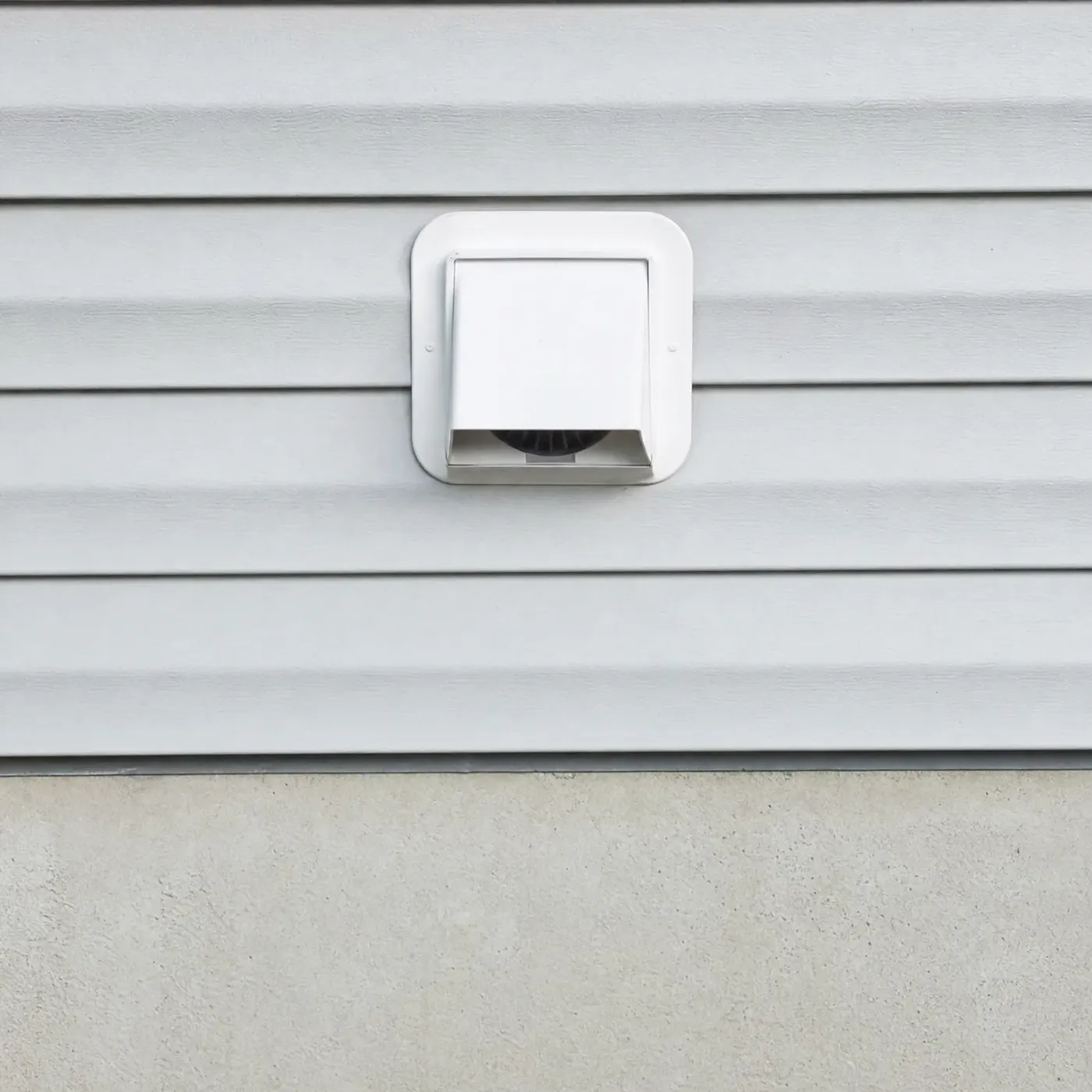
Air pushes the hood open and the flap swings free. Clothes dry in one cycle because the moist air actually leaves the house instead of backing up into the line behind it.
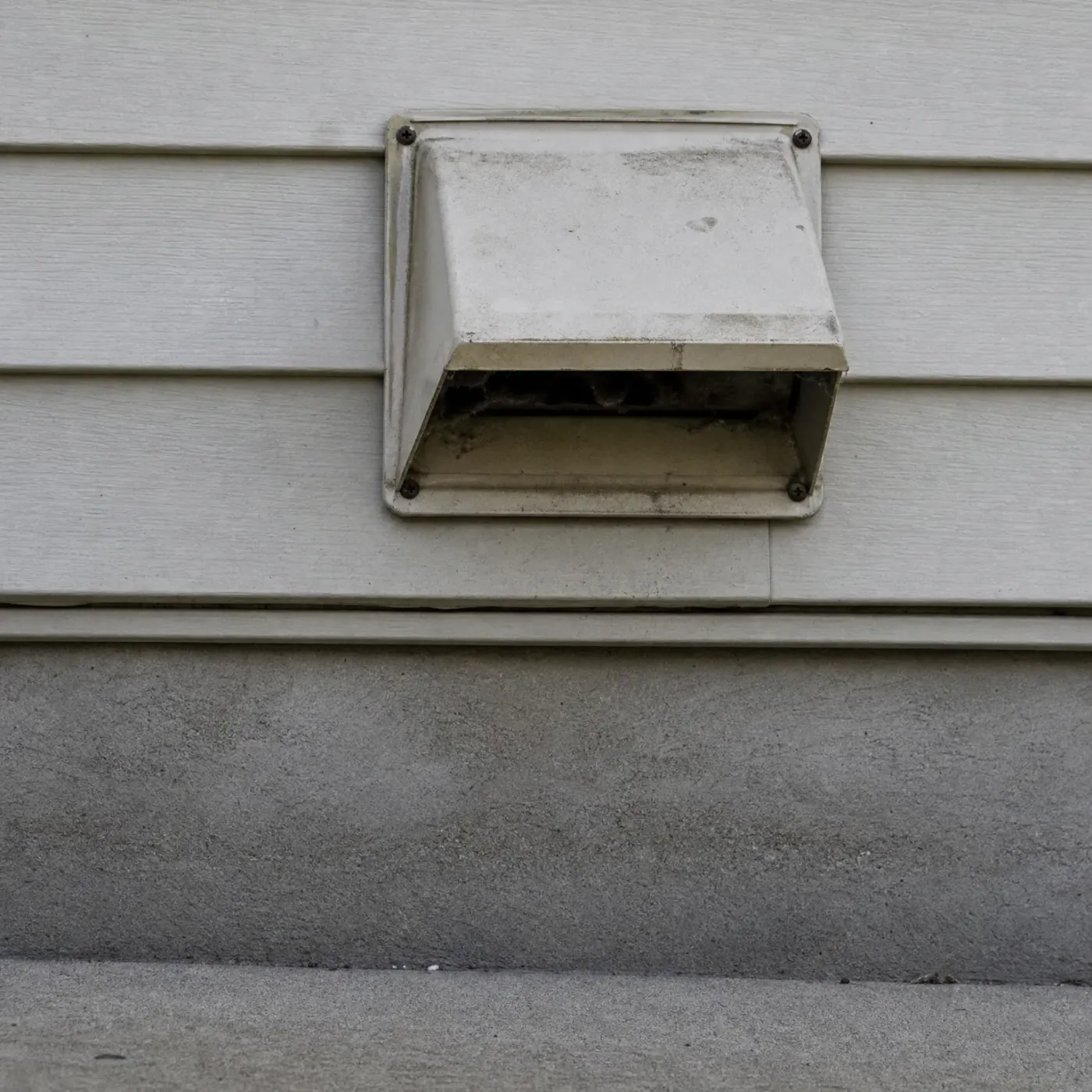
Lint has caked around the opening and the flap barely lifts. The dryer heats the same load again and again because the air it pushes out has nowhere to go.
2.35 people per household on average
Most Linn County households run 2.35 people worth of laundry through one dryer, so the vent handles load after load with little rest between cycles.
Half the homes here were built by 1978
Half the homes in Linn County were built in 1978 or earlier, and a vent line that old has had decades to collect lint in bends and joints you can't see.
Power here costs 16.91 cents per kilowatt-hour
Power here runs 16.91 cents per kilowatt-hour, so a dryer fighting a clogged vent to finish a load is pulling that rate for twice as long as it should.
ACS 2020-2024 · EIA-861 2025

A dryer vent runs straight up, across, or through tight turns to get outside, and every elbow is a spot where lint slows down and sticks to the metal. Over time that buildup narrows the opening at each bend until the whole line is choked from the inside, long before the outside hood shows any sign of trouble. A vent with several turns clogs faster than a short, straight run to an outside wall.

When the vent is clear, the dryer pushes hot, wet air straight outside in one pass, and the flap on the hood swings open with the airflow and closes again when the cycle ends. That exchange is what actually dries the clothes, not just the heat. A line full of lint holds that moist air inside the drum, so the dryer senses damp clothes and keeps heating well past the time it should have shut off.
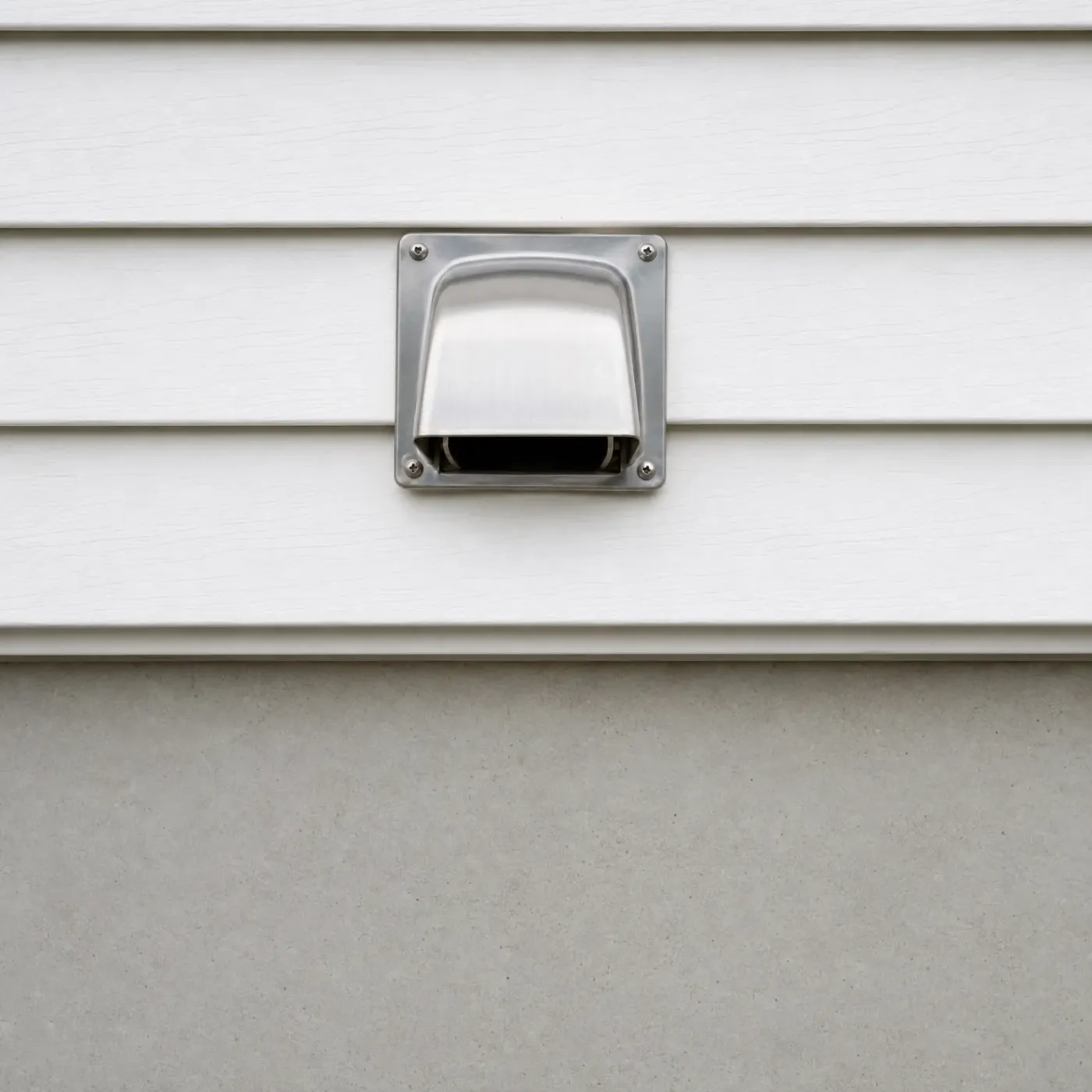
This is a vent doing its job. Air pushes the flap open on its own, the hood stays clean, and warm moist air gets outside with nothing slowing it down. A dryer behind a vent like this dries a load in one cycle.
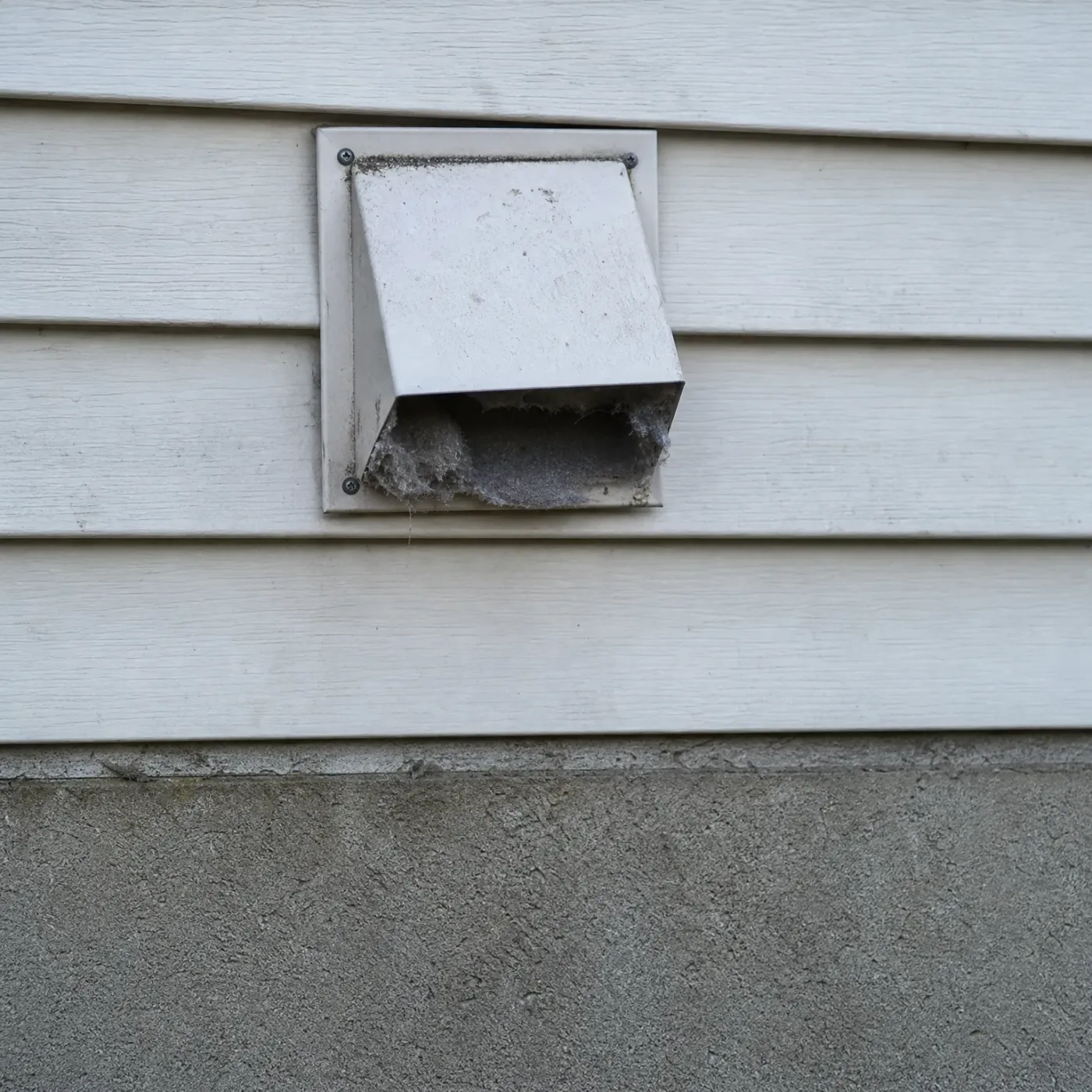
Lint has built up around the opening until the flap can't close anymore. Air that should be leaving the house is backing up into the line instead, and the dryer keeps running cycle after cycle trying to push it out.
If you've only just had the vent cleaned and the dryer is already slowing down again, it feels like the cleaning didn't take. More likely the vent is doing exactly what it's built to do and lint is doing what lint does. Knowing where it actually collects, and why, tells you whether what you're seeing is normal buildup or a sign something in the line is wrong.
Every dryer vent has at least one elbow between the back of the machine and the hood outside, sometimes several, and lint slows down and settles at each one. A straight shot of pipe rarely clogs fast because the air keeps moving through it at full speed. A bend forces the air to change direction, and the lint riding in it doesn't change direction as easily, so it catches on the metal and builds a ledge. Each load adds a little more to that ledge until the opening left for air is smaller than it was. A vent with more turns in it, or a longer run to outside, will always collect faster than a short straight one, no matter how new the dryer is.
Lint builds up on the inside wall of the vent line
The narrowed line slows the air leaving the dryer
Moist air backs up into the drum instead of venting out
The dryer senses damp clothes and starts another cycle




You've probably moved laundry day around it by now, running a second or third cycle just to get a load dry, or pulling clothes out still damp and hanging them to finish. That's time you're not getting back, and it's hard on the dryer besides. Finding someone to clear the vent usually means searching around, calling a few companies, explaining the same problem more than once, then sitting with quotes trying to tell them apart. Send the request instead and that part is done. One contractor gets it, not five, and there's nothing to sign and nothing owed just for asking. For a Cedar Rapids household running load after load through the same dryer, getting the vent cleared isn't a project to plan around. It's the difference between one cycle and three, and between a dryer that vents properly and one working harder than it should every time you do laundry.
A dryer fighting a clogged vent uses the same gas or electricity whether the load finishes in one cycle or three. Run it twice as long and you're paying for that extra hour of heat every time you do laundry. Power here isn't cheap, and a dryer stuck on a second or third cycle several loads a week adds up on the bill month after month. The dryer itself runs hotter and longer than it was built to, and the heating element or igniter wears against that extra strain long before it should.
Lint is the thing that catches fire, and a line packed with it gives a dryer's heat nowhere to go but back into the drum and the cabinet around it. That trapped heat is what sits behind most dryer fires, not the machine itself. A vent that's clearing properly carries that heat straight outside, same as it's supposed to. If your dryer is taking two or three cycles to finish a load, that's the vent telling you it's already partway to blocked, not just slow.
At 2.35 people, most households here are running a load every day or two, not once a week. That steady pace through one vent line is what lets lint build up fast enough to turn a one-cycle dry into two or three.
ACS 2020-2024
Clean the vent yourself and you're clearing what you can reach from the back of the dryer, maybe a few feet of flexible line. The buildup further down, at the bends and the hood, stays put.
A full cleaning runs a brush and vacuum the entire length of the line, from the dryer to the hood outside. That's the only way to know the whole path is actually clear, not just the part you can see.


A dryer that needs two or three cycles to finish a load is telling you something specific. The vent line is narrowed somewhere between the back of the machine and the hood outside, and the moist air from your clothes can't get out fast enough to leave in one pass. That's almost never the dryer itself failing. It's lint, sitting where the line bends or where the hood opens to the outside, slowing the air down until the machine has to run the load again just to finish the job.
The fix is the same regardless of where you are in Cedar Rapids or how the vent is routed through your house. Clearing the full length of the line, not just the few feet you can reach by pulling the dryer out, is what brings a load back down to one cycle. Once lint is gone from the bends and the hood, the flap outside swings open on its own and stays open while the air pushes through.
Until that happens, every extra cycle is burning gas or electricity you don't need to spend, on top of the time you've already lost pulling clothes out still damp. A clogged line doesn't fix itself, and it doesn't stay the same either. It keeps collecting lint in the same spots until the dryer is struggling even harder than it is now. Clearing it is a one-time job that stops this from becoming a call you make again this year.


Send one request and you're done looking
Answer a few questions about the dryer vent cleaning and skip the search.