
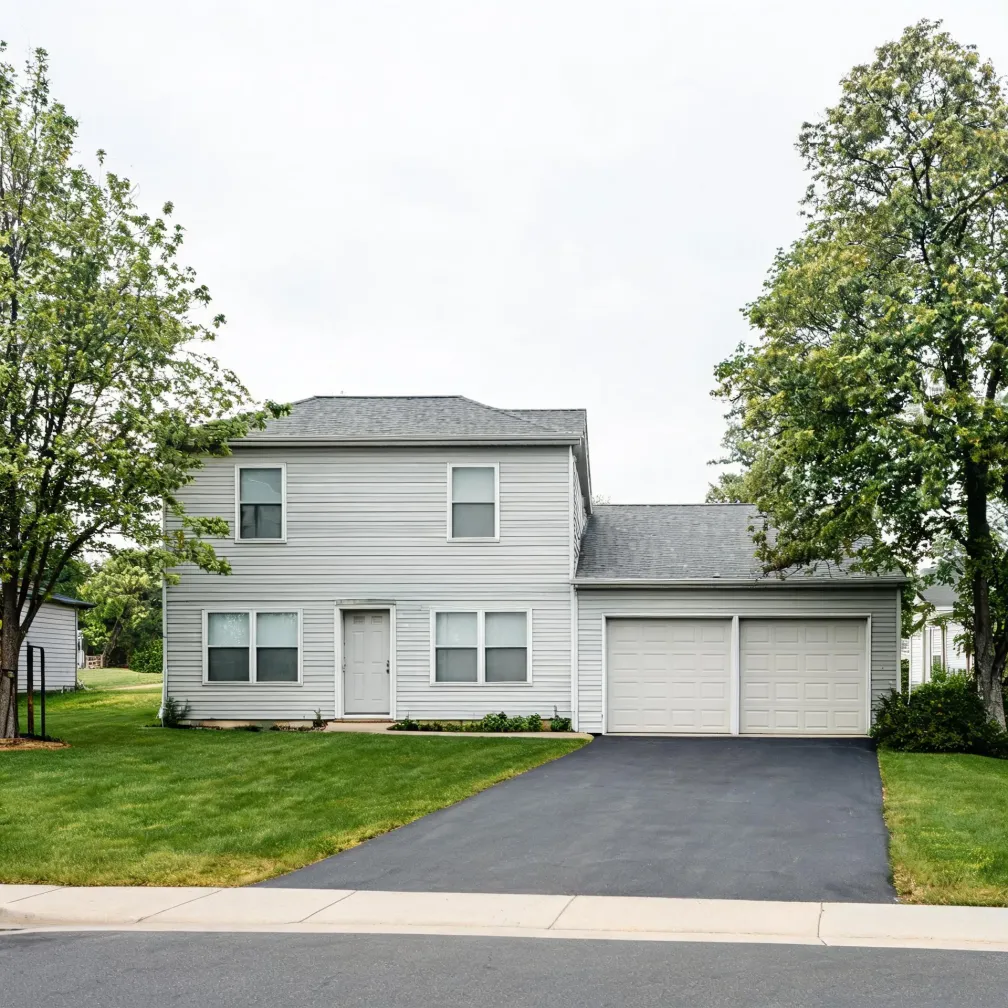
What Iowa homes are up against.
NOAA National Centers for Environmental Information, Storm Events Database, bulk CSV export, events 2015-01-01 through 2024-12-31. · U.S. Census Bureau, 2020-2024 American Community Survey 5-Year Estimates

A furnace in Iowa spends most of its working life cycling on and off rather than running flat out against the coldest days. Homes in Iowa run heat about eight months a year, from October through May. That kind of runtime puts the burner and the igniter through far more start cycles than a short season would, and it is the cycling, not the occasional deep cold, that tends to wear ignition components down. A system sized and installed to handle steady, repeated firing holds up. One that was cutting corners from the start usually shows it well before spring.

Before a new furnace or air conditioner goes in, a contractor has to open up what is already there and look at it. Ductwork gets checked for leaks and for whether it can even handle the airflow a new unit needs. The electrical panel gets checked for capacity. None of that can be assumed from a phone call or a listing photo. Half the homes in Iowa were built in 1972 or earlier (2020-2024 ACS 5-year). That matters because equipment standards keep changing, and what is already run through a house was almost never sized for what is sold today. Checking first is what keeps an install from failing on day one.
Does Iowa weather put extra strain on your HVAC system?
2015–2024 · Source: NOAA National Centers for Environmental Information, Storm Events Database.
A county with a heavier storm record puts more demand on the equipment sitting outside. Wind can rock a condenser on its pad, hail can dent the cabinet and bend the fins, and heavy rain can push water into places it should never reach. If your county sees more of this activity, have a contractor check how the outdoor unit is anchored, whether it sits level and clear of runoff, and the condition of the cabinet and coil.
Iowa requires HVAC contractors to hold a state license.
Licenses are issued by the Iowa Plumbing and Mechanical Systems Board.
Sources: Iowa Legislature · Iowa Department of Inspections, Appeals and Licensing