
HVAC Installation in Boone, IA
A new system here will heat from October through May and cool from June through August every year. Tell us about the house, and a licensed contractor who covers Boone County will get in touch.
Tell us about the job
It takes about a minute.
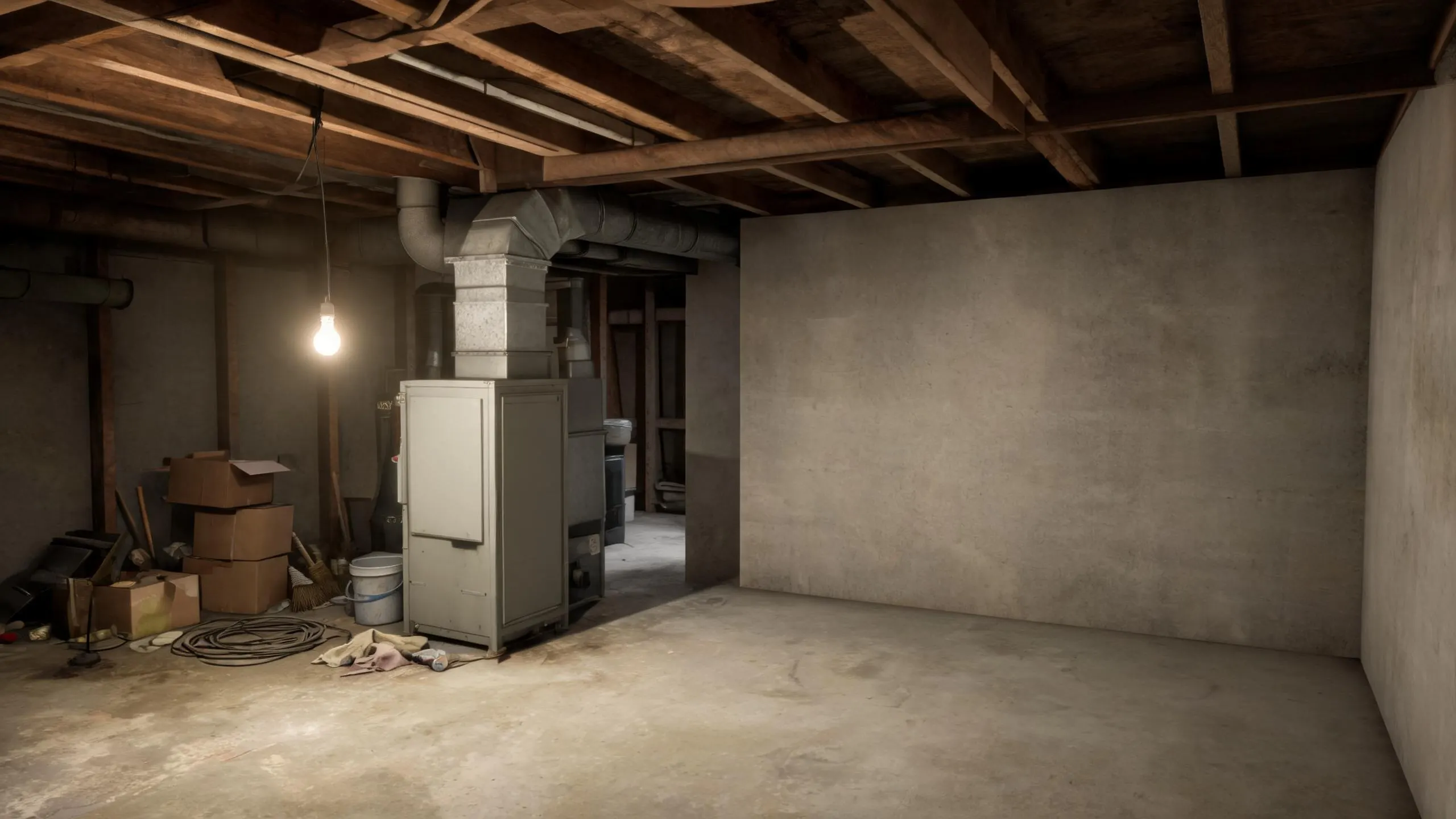
A system built for eleven months of work
In Boone County, a new furnace has to handle winter nights that average 14°F from December through February, and it will run from October through May. That is 8 months of the year. The air conditioner gets the other 3, June through August, with afternoons averaging 82°F. Only one month of the year asks nothing of either system.
57.3% of homes here heat with gas, and whatever you install has to meet the federal efficiency minimum that applies to new equipment. The county has seen 25 winter storms and 37 damaging wind events over the past ten years, and 15% of Iowa households lost power for at least a day in 2024. A new system should be sized and installed to hold up through that, not just through an average week.
- 8 months
- October through May, your system heats
- 3 months
- June through August, it cools
- 14°F
- the average winter night it heats against
- 82°F
- the average summer afternoon it cools against
NOAA nClimDiv, 1991–2020 normals
Iowa requires HVAC contractors to hold a state license.
The Iowa Plumbing and Mechanical Systems Board issues that license, and it tests and keeps a record of the contractor, not the job. The license means the person or company doing the work has passed the state's exam and is on file with the board. It does not get reissued or rechecked for your installation specifically.
For a heating and cooling installation, that license is what stands behind the person doing the work. The job itself still needs a permit from the local building office in most Iowa cities and counties, along with an inspection once the system is in. That inspection is what checks the new furnace, air conditioner or heat pump was installed correctly at your address.
Sources: Iowa Legislature · Iowa Department of Inspections, Appeals and Licensing
- When should I replace my HVAC system?
- Once your furnace or air conditioner is breaking down every year or two, or a contractor tells you the heat exchanger or compressor is failing, it is time to replace it rather than keep repairing it. Age matters too. A furnace or air conditioner working hard eight months of the year for heat and three for cooling wears faster than one running only a few months. If your energy bills have crept up with no other explanation, that is often the system losing efficiency as it ages. A contractor can look at your specific unit and tell you whether it is worth fixing again or time to replace.
- Should I replace my furnace and air conditioner at the same time?
- If both are old, replacing them together makes sense because they are built to work as a matched pair, sharing the same blower and coil sizing. A furnace and air conditioner installed at different times, or from different manufacturers, may not run as efficiently together even if each works fine alone. If one has already failed and the other is still young, a contractor can tell you whether it is worth mismatching them for now or replacing both. Either way, a permit and inspection from your local building office will be part of the job.
- What happens during an HVAC installation?
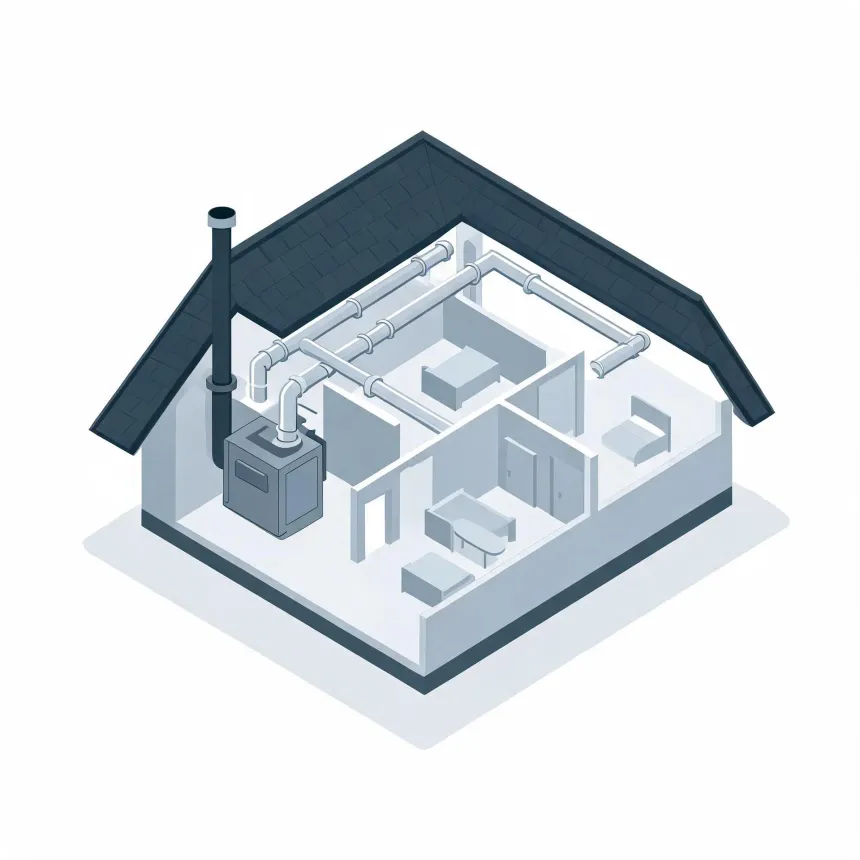
- A contractor removes the old furnace or air conditioner, sets the new one in place, and connects it to your ductwork, gas line or electrical circuit, and the refrigerant lines if it is an air conditioner or heat pump. They test the system to make sure it starts, runs, and shuts off the way it should, and check the airflow through your ducts. Most cities and counties require a permit for this work and an inspection once it is finished, so expect that as part of the process. A contractor will walk you through the specific steps for your home before starting.