
HVAC Installation in Fort Madison, IA
A new system here will heat from October through May and cool from June through September every year. Tell us about the house, and a licensed contractor who covers Lee County will get in touch.
Tell us about the job
It takes about a minute.
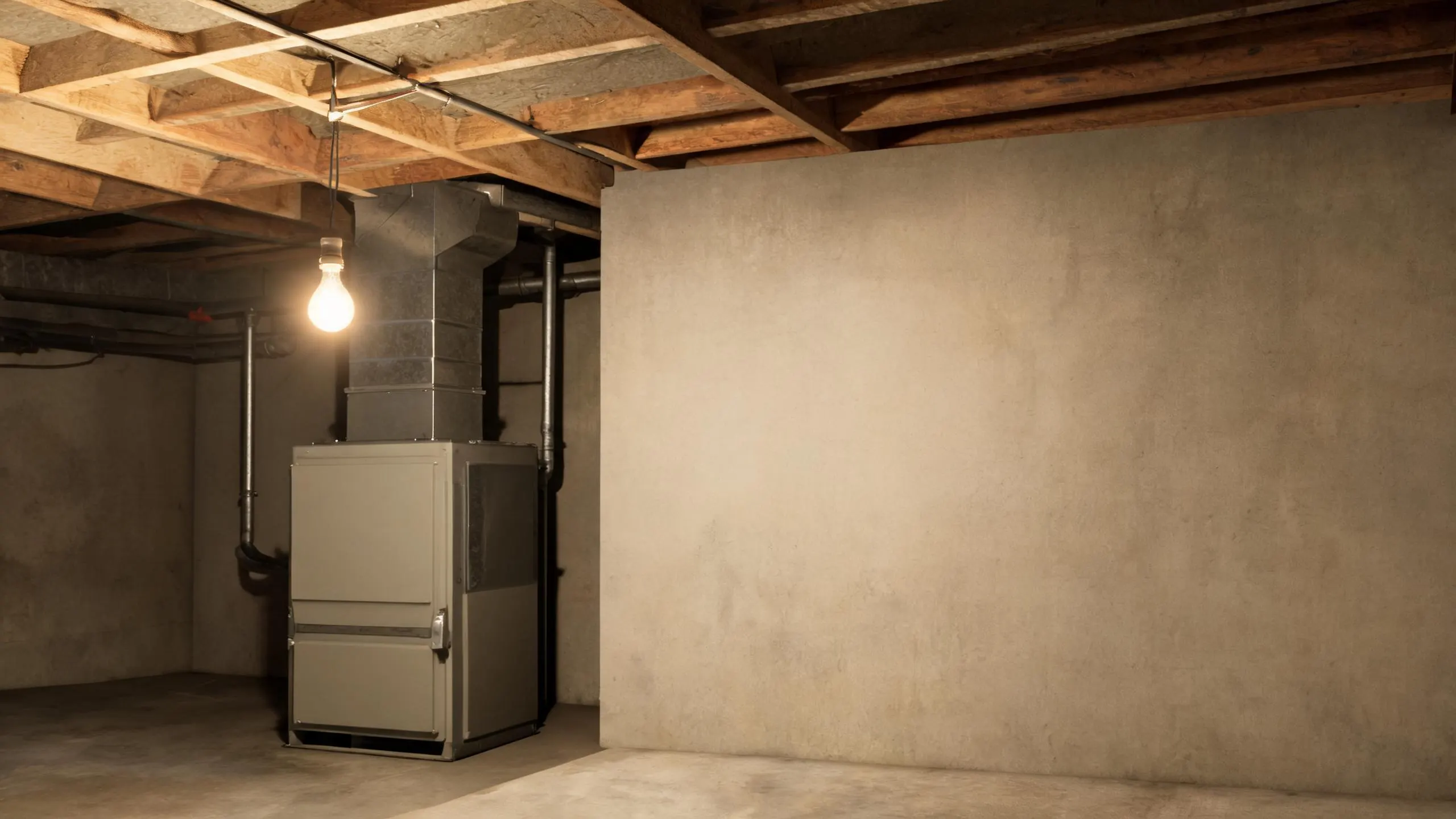
A new system here works almost year round
Fort Madison asks for heat from October through May and cooling from June through September. That leaves almost no month where a furnace or air conditioner sits idle. Winter nights average 20°F from December through February, so a new furnace needs to hold up to a long, cold heating season, not just a few cold snaps. Summer afternoons average 84°F, and the same system has to bring that down all summer long.
55.6% of homes here heat with gas. A furnace paired with the right air conditioner has to handle both jobs, since the season barely lets up between them. The last ten years brought 13 winter storms and 79 damaging wind events to this area, and 15% of Iowa households went at least 24 hours without power in 2024. That is worth planning a new installation around, not just the temperature.
- 8 months
- October through May, your system heats
- 4 months
- June through September, it cools
- 20°F
- the average winter night it heats against
- 84°F
- the average summer afternoon it cools against
NOAA nClimDiv, 1991–2020 normals
Iowa requires HVAC contractors to hold a state license.
The license is held by the contractor, not tied to your address or to this one job. The Iowa Plumbing and Mechanical Systems Board tests and records the people who hold it, so the state has already checked this contractor before they ever get to your house in Lee County.
For a heating and cooling installation, that license is what stands behind the work. On top of it, most cities and counties require a permit for a job like this, replacing a furnace, air conditioner or heat pump, and an inspection once it's done. The permit and inspection are local, separate from the state license, and they are what catches a bad gas connection or a wiring mistake before you're living with it.
Sources: Iowa Legislature · Iowa Department of Inspections, Appeals and Licensing
- When should I replace my HVAC system?
- Once your furnace or air conditioner is breaking down more than once a season, or a contractor tells you the heat exchanger or the compressor is failing, replacement is the better call over another repair. Age matters too. A furnace much past 15 years or an air conditioner past 12 to 15 years is working harder to do the same job, and parts get harder to find. Here, your furnace has to run from October through May, so it pays to have it looked at before that stretch starts if it's been acting up. Waiting until it fails on a cold night just means the decision gets made for you.
- Should I replace my furnace and air conditioner at the same time?
- If both are old, replacing them together is usually the smarter move. They're built to work as a pair, sized to move air through the same ducts, and a mismatched system, an old furnace with a new AC or the other way around, can run less efficiently than either would on its own. It also means one visit and one round of installation instead of two. That said, if one unit is much newer than the other, a contractor can tell you whether it makes sense to wait on that one.
- What happens during an HVAC installation?
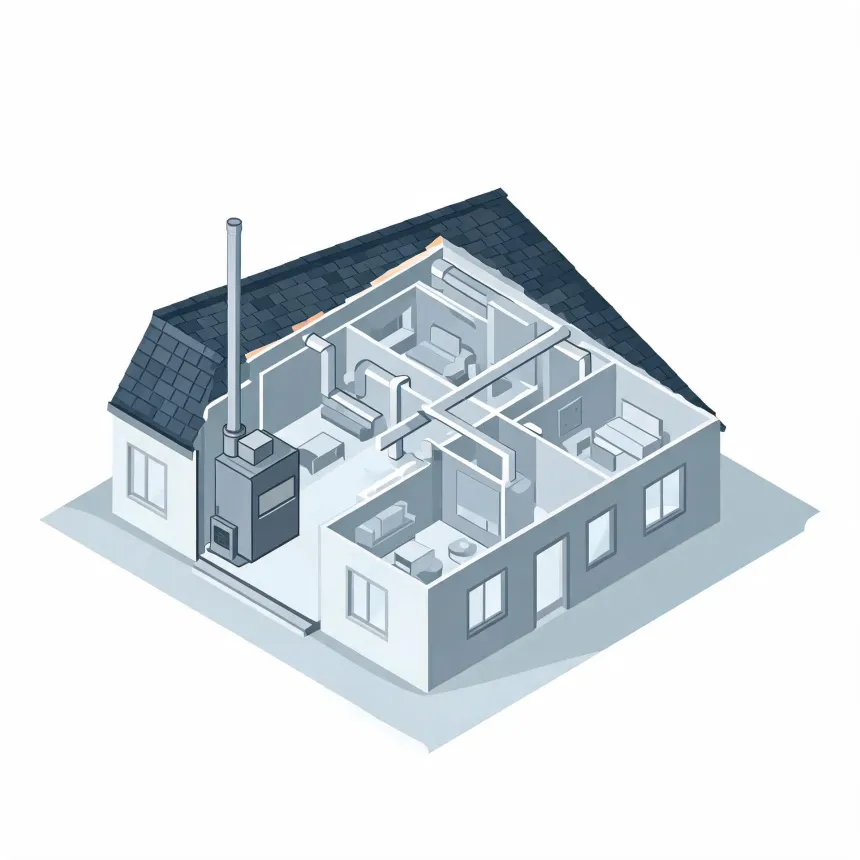
- A contractor first sizes the equipment to your house, accounting for square footage, insulation, and duct layout, since a unit that's too big or too small won't heat or cool evenly. The old furnace and air conditioner get disconnected and removed, then the new equipment is set in place and connected to the ducts, the gas or electric line, the condensate drain, and the thermostat. Once it's running, they test it to check airflow, refrigerant charge, and that the thermostat is calling for heat and cooling correctly. In most cities and counties here, this work needs a permit from the local building office, and an inspector checks the job once it's done.