
Furnace Installation in Iowa City, IA
A new furnace here will run from October through May every year. Tell us about the house, and a licensed contractor who covers Johnson County will get in touch.
Tell us about the job
It takes about a minute.
Eight months of heat in Johnson County
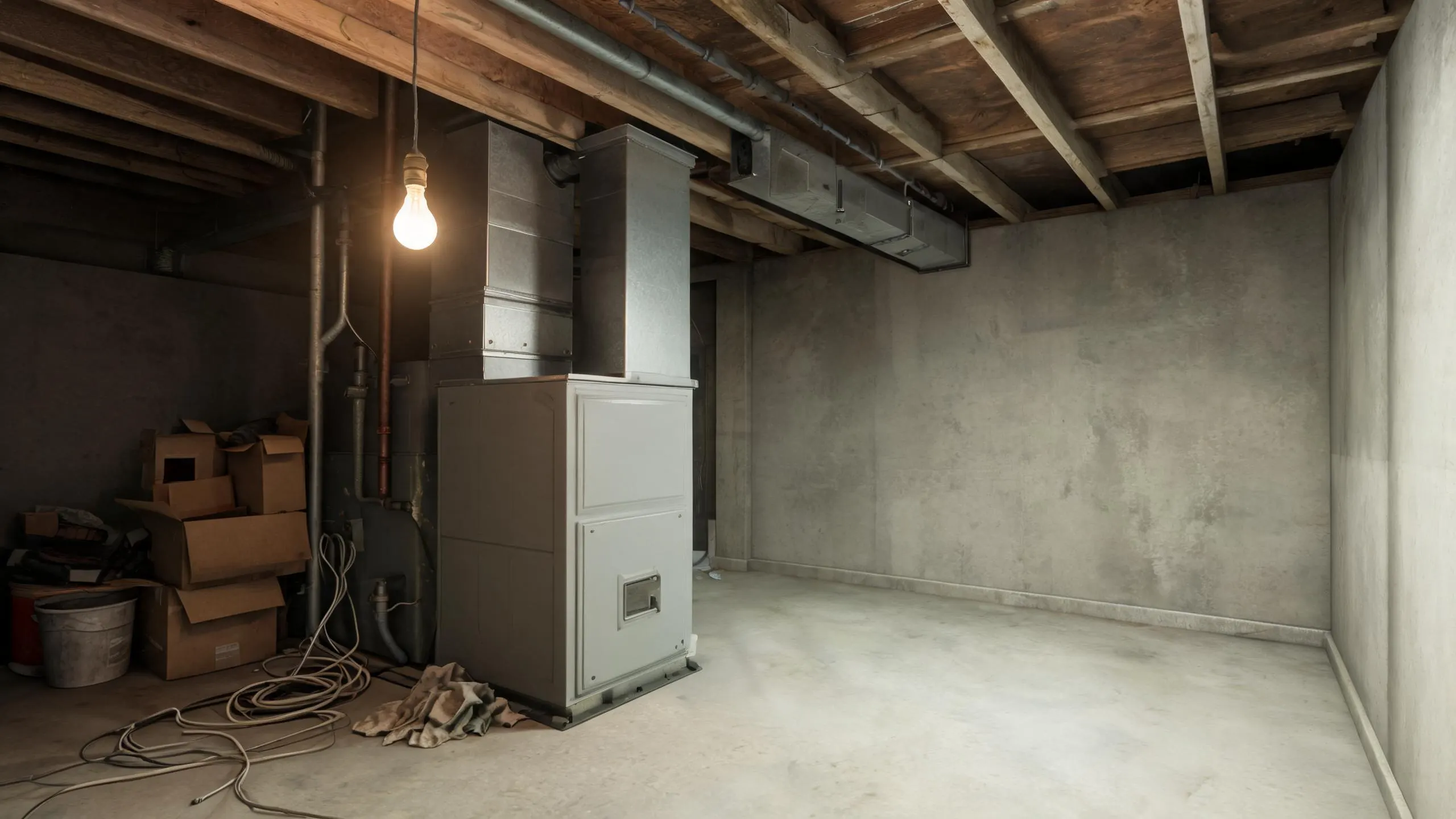
Your furnace works from October through May here, eight months of the year. Winter nights average 16°F, so it runs long hours to hold a house at temperature through the coldest part of the year.
Most homes in the area heat with gas, and any new non-weatherized gas furnace has to reach at least 80 percent AFUE under the federal minimum that took effect in 2015. Iowa also sees its share of winter storms and high wind, and some households lose power for a day or more when one hits. A furnace with a standing pilot will still light without power. One that needs an electric igniter will not.
- 8 months
- October through May, your furnace is on duty
- 16°F
- the average winter night it heats against
- 63%
- of homes here heat with gas, so most furnaces here burn gas
- 80% AFUE
- the federal minimum any new unit must meet
NOAA nClimDiv, 1991–2020 normals

A high-efficiency gas furnace would save about $90 a year to run in Johnson County compared with a gas furnace.
Estimates for a typical Johnson County home, from EIA household energy data, Iowa fuel prices and NOAA climate normals. Your home will differ.
Iowa requires HVAC contractors to hold a state license.
The Iowa Plumbing and Mechanical Systems Board licenses the contractor, not the job. That means the state tested this contractor and keeps a record of them, a record that carries over from one job to the next rather than starting fresh with your furnace.
For a furnace install, that license is what stands behind the work itself. Most cities and counties in Iowa also require a permit for a furnace replacement and an inspection once the work is done, and that inspection is what catches a bad gas connection or a venting mistake before it becomes dangerous. In Johnson County, most homes heat with gas, so that inspection is checking a connection most houses here actually have.
Sources: Iowa Legislature · Iowa Department of Inspections, Appeals and Licensing
- What size furnace does my house need?
- It depends on your home's square footage, how well it's insulated, your window count, and your ceiling height, so there's no single number that fits every house. A furnace that's too big cycles on and off too fast and never runs long enough to heat evenly. One that's too small runs constantly and still can't keep up on the coldest nights, and with winter lows averaging 16°F here, undersized is a real problem. A contractor will run a load calculation on your specific house to get the right size.
- How do I know it's time to replace my furnace?
- If your furnace is struggling to keep up, cycling more than it used to, or needing repairs more often, it's telling you something. Age matters too. An older furnace works harder to do the same job it used to do even if it hasn't broken down yet. Homes here need heat from October through May, eight months of the year, so a furnace on its way out has a lot of work ahead of it before spring. Uneven heating room to room, a furnace that runs longer than it used to, or a jump in gas usage are all signs worth having looked at.
- Is a high-efficiency furnace worth it?
- For a house that needs heat eight months of the year, the efficiency rating matters more than it would somewhere milder. Furnaces made since November 2015 have to hit at least 80 percent AFUE, so even a standard new furnace isn't wasting huge amounts of gas. A high-efficiency model goes beyond that minimum and pulls more heat out of the same amount of gas, which matters most through a long, cold winter like this one. With 63.3 percent of homes here heating with gas, that difference shows up on the bill over a full season. A contractor can walk you through which efficiency level makes sense for your house and your furnace's setup.