
Furnace Installation in Muscatine, IA
A new furnace here will run from October through May every year. Tell us about the house, and a licensed contractor who covers Muscatine County will get in touch.
Tell us about the job
It takes about a minute.
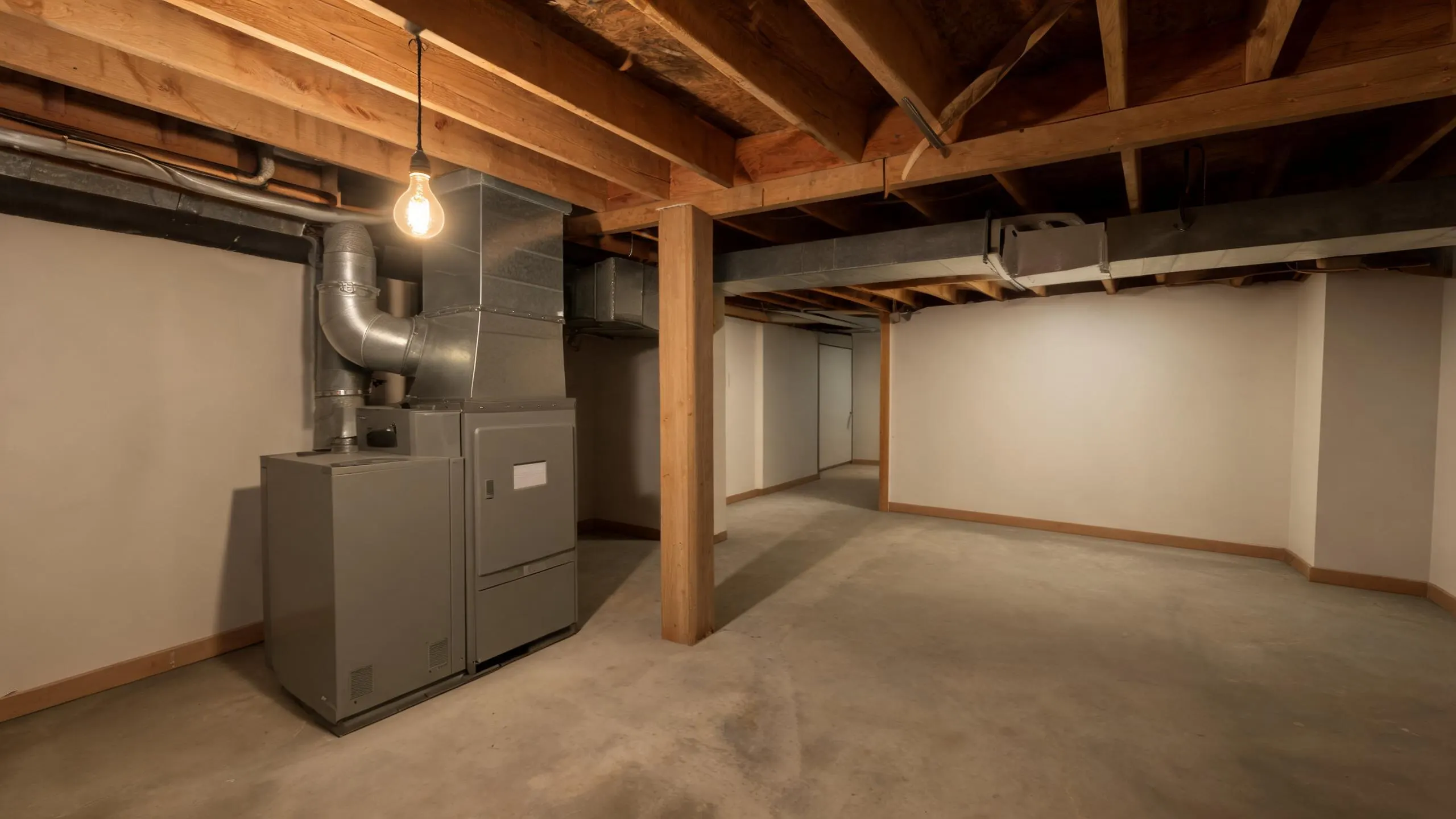
Eight months of heat, and winter nights near 17°F
Muscatine County homes need the furnace running from October through May. That is eight months, and on winter nights the temperature averages 17°F. A furnace here does not get much of a break before the next cold stretch starts.
Most homes in the area heat with gas, and any non-weatherized gas furnace built since November 2015 has to reach at least 80 percent AFUE. That is the federal floor, not a ceiling, so it is worth asking what efficiency a new unit actually carries. Storms are part of the picture too. The county has logged 25 winter storms and 59 damaging wind events over the past ten years, and statewide, 15 percent of households lost power for at least 24 hours in 2024. A furnace installed here needs to hold up through cold snaps and outages both.
- 8 months
- October through May, your furnace is on duty
- 17°F
- the average winter night it heats against
- 70%
- of homes here heat with gas, so most furnaces here burn gas
- 80% AFUE
- the federal minimum any new unit must meet
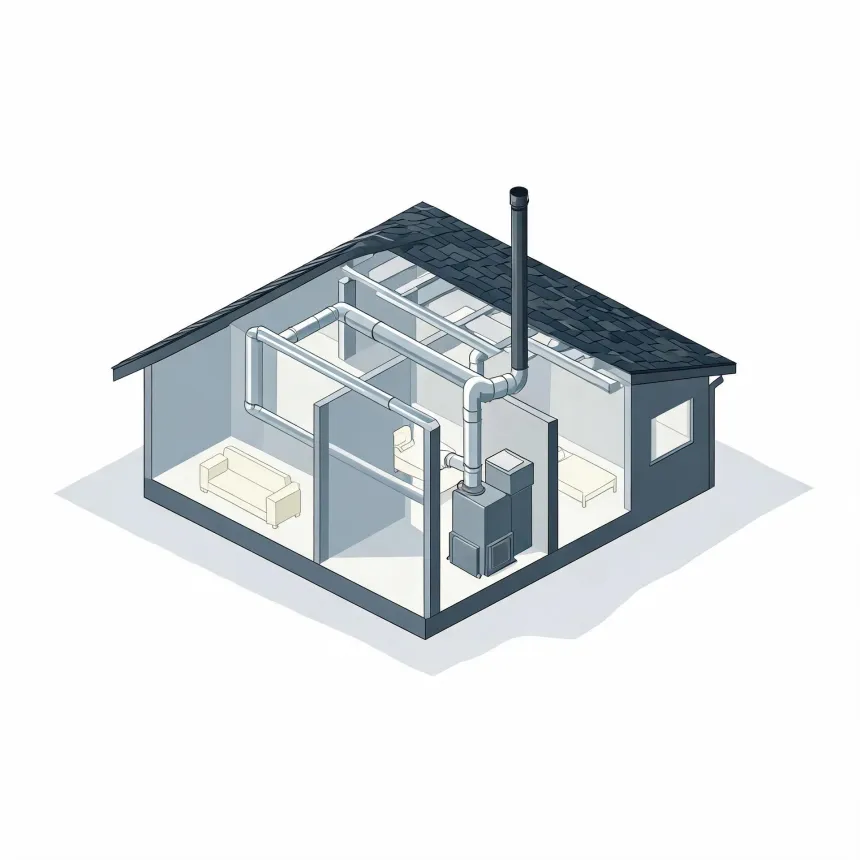
NOAA nClimDiv, 1991–2020 normals
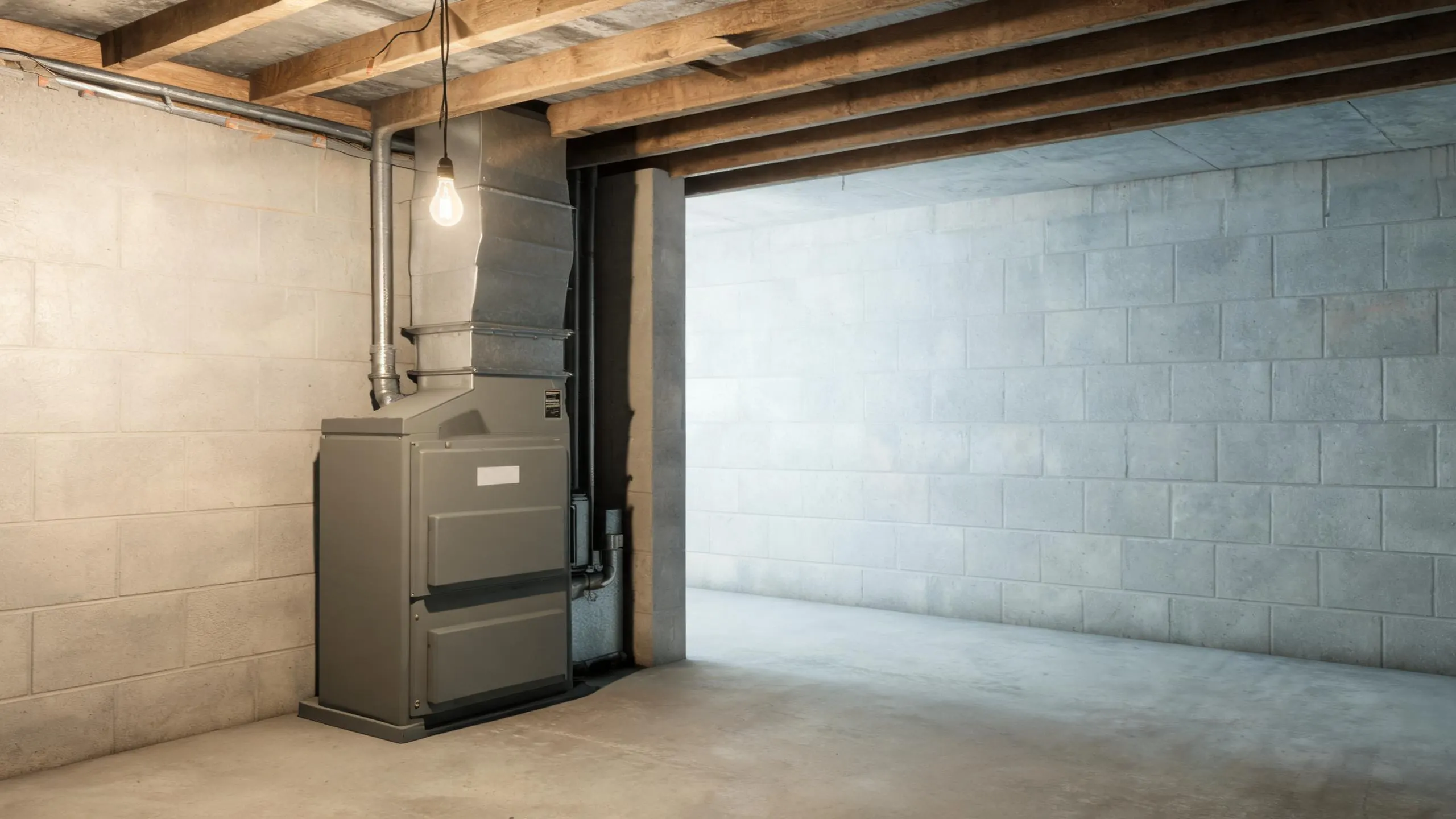
A high-efficiency gas furnace would save about $90 a year to run in Muscatine County compared with a gas furnace.
Estimates for a typical Muscatine County home, from EIA household energy data, Iowa fuel prices and NOAA climate normals. Your home will differ.
Iowa requires HVAC contractors to hold a state license.
The Iowa Plumbing and Mechanical Systems Board tests and licenses HVAC contractors statewide, and the license belongs to the contractor rather than to any single job. That means the person doing your furnace install has already passed the state's exam and is on record with the board, before they ever touch your equipment.
The license covers who is allowed to do the work. Whether this particular install was done right is a separate question, and in most cities and counties that answer comes from a permit and inspection at the local building office once the furnace is in. A furnace install includes a gas connection, and that connection is the part worth having checked. In Muscatine County, 70.1% of homes heat with gas, so a gas hookup is part of most furnace jobs here.
Sources: Iowa Legislature · Iowa Department of Inspections, Appeals and Licensing
- What size furnace does my house need?
- A contractor has to work this out for your house. It comes from a heat loss calculation that looks at your square footage, insulation, window count and type, and ceiling height, not just a square-foot chart. Two homes the same size can need different sized furnaces if one has more windows or less insulation. Since homes here need heat from October through May, getting the size right matters more than in places with a short winter. A furnace that's too small will run constantly on the 17°F nights and never quite keep up. One that's too big will short cycle, turning on and off often, which wears out parts faster and leaves rooms uneven.
- How do I know it's time to replace my furnace?
- Age is the first thing to look at. If yours has been in service a long time, repairs start becoming a losing bet compared to putting that money toward a new unit. Rising repair frequency is the other sign. If a contractor has been out more than once this winter, or if the cost of the last repair came close to what a new unit would run, replacement usually makes more sense than another patch. Watch for uneven heat between rooms, a furnace that runs longer than it used to, or a yellow flame instead of blue, which points to a combustion problem. With 8 months of heating season here, a furnace on its way out gets more chances to fail at the worst time.
- Is a high-efficiency furnace worth it?
- It depends on how long you plan to stay in the house and how much you run the furnace. Homes here need heat 8 months a year, October through May, with winter nights averaging 17°F, so a furnace runs more hours than one in a milder climate, and that changes the math on efficiency. Every non-weatherized gas furnace sold since November 2015 has to hit at least 80 percent AFUE, so even a standard model isn't wasteful. A high-efficiency furnace burns less gas to produce the same heat, which matters most when the furnace is working this many months of the year. A contractor can walk through the specific models and what makes sense for your house.