
HVAC Installation in Iowa City, IA
A new system here will heat from October through May and cool from June through August every year. Tell us about the house, and a licensed contractor who covers Johnson County will get in touch.
Tell us about the job
It takes about a minute.
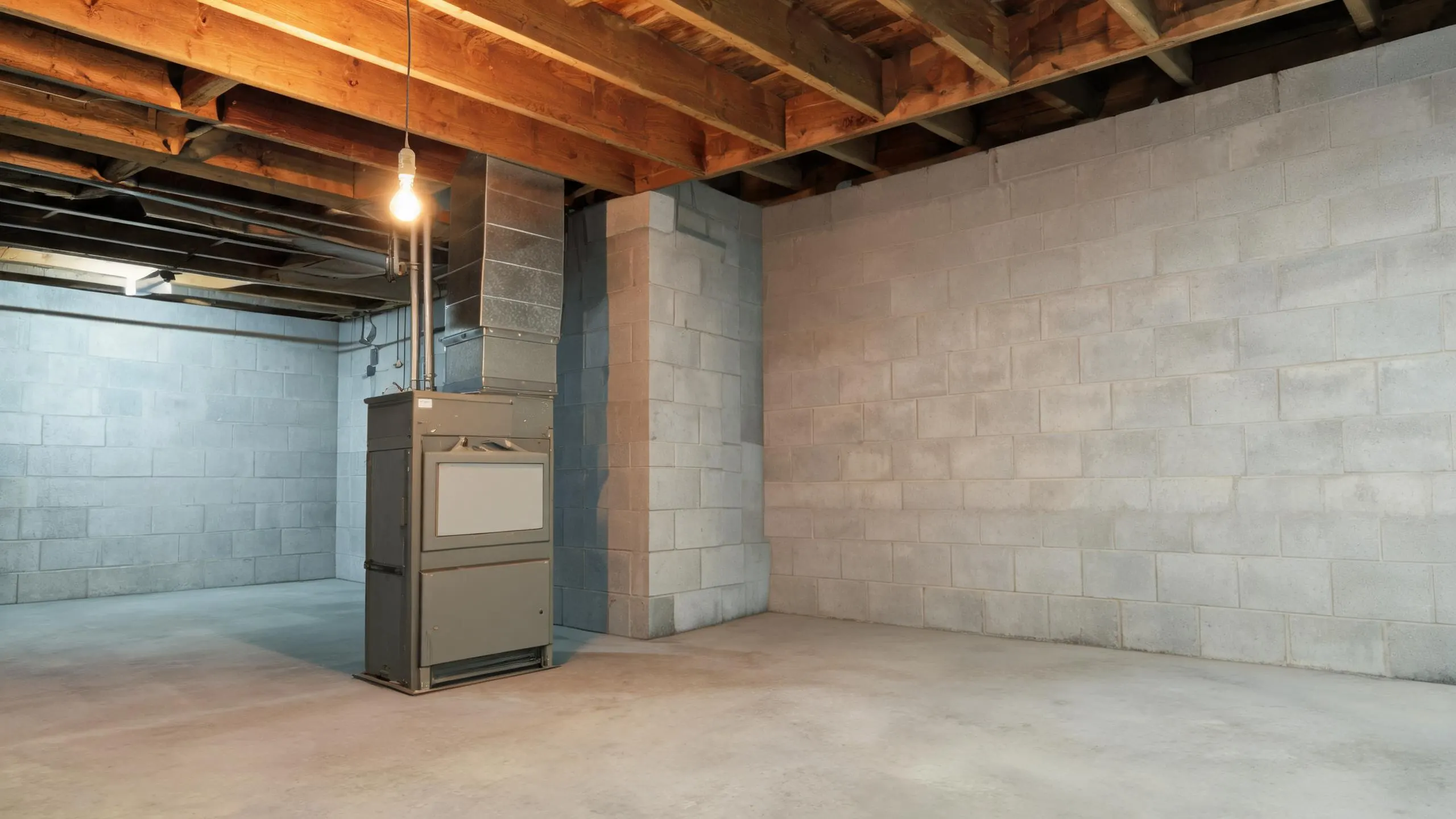
Eleven months of work for whatever you install
Winter nights around Iowa City average 16°F from December through February, and homes here need heat from October through May. That's 8 months of heating. Summer asks less of a system, just June through August, but afternoons averaging 83°F still add 3 more months of work. Between the two, a heating and cooling system here runs nearly all year.
Most homes in the area heat with gas, and a new furnace has to handle real cold, not just a mild chill. The area has logged 25 winter storms and 87 damaging wind events over the past ten years, and 15% of Iowa households lost power for at least 24 hours in 2024. A system installed here should be sized to hold up through that kind of winter, not just an easy one.
- 8 months
- October through May, your system heats
- 3 months
- June through August, it cools
- 16°F
- the average winter night it heats against
- 83°F
- the average summer afternoon it cools against
NOAA nClimDiv, 1991–2020 normals
Iowa requires HVAC contractors to hold a state license.
The license is held by the contractor, not issued job by job, so the same license covers every installation that contractor takes on in Iowa. It comes from the Iowa Plumbing and Mechanical Systems Board, which is the state record of who is allowed to do this work.
For a job like this, in most cities and counties in Iowa, replacing a furnace, air conditioner or heat pump needs a permit from the local building office, and an inspection once the work is done. That inspection is what checks the installation itself, separate from the license the contractor already holds.
Sources: Iowa Legislature · Iowa Department of Inspections, Appeals and Licensing
- When should I replace my HVAC system?
- Once your furnace or air conditioner is old enough that repairs keep coming back, or a technician tells you a major part is failing, it's time to plan for a new system rather than fix the old one again. Age matters here because winters run cold from October through May, and a furnace that struggles on a 16°F night is putting real strain on itself. If your system is losing efficiency, short-cycling, or needs a repair that costs a large share of what a new unit would, replacing it before it fails completely means you are not without heat during a cold stretch. A contractor can look at the age and condition of your specific system and tell you where it stands.
- Should I replace my furnace and air conditioner at the same time?
- If both are near the end of their life, replacing them together is usually the better path. A furnace and air conditioner installed at the same time are matched to work together, and pairing an old unit with a new one can mean the new one never runs at its intended efficiency. Iowa City homes need heat eight months of the year and cooling three, so both halves of the system see real use. If only one is failing and the other still has years left, a contractor can tell you whether it makes sense to wait or replace both now.
- What happens during an HVAC installation?
- A contractor removes the old furnace and air conditioner, or heat pump, and sets the new equipment in place, connecting it to the ductwork, the gas or electrical line, the condensate drain, and the refrigerant lines running to the outdoor unit. Once everything is connected, they test the system to check airflow, refrigerant charge, and that the thermostat is controlling it correctly. In Iowa City, replacing a furnace or air conditioner needs a permit from the local building office, and the finished work gets inspected before the job is considered done. That inspection confirms the installation was done to code, which matters for safety and for the system running the way it should for years afterward.