
HVAC Repair in Cedar Rapids, IA
Homes here need heat from October through May and cooling from June through August. If your system quits, tell us what it's doing and a licensed contractor who covers Linn County will get in touch.
Tell us about the job
It takes about a minute.
Eight months of heat, three of cooling, and not much rest between
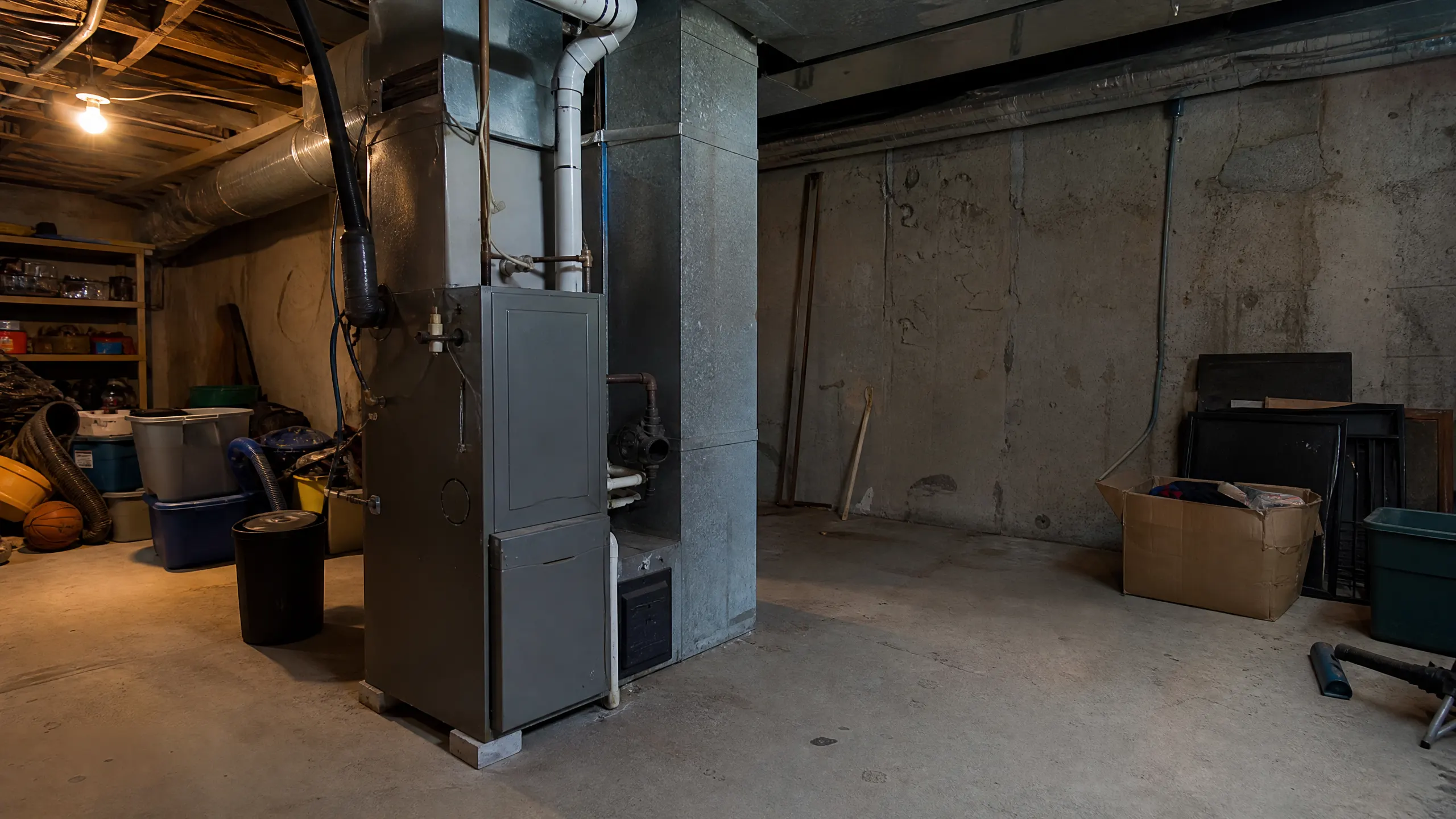
Your furnace in Linn County works from October through May. On winter nights averaging 15°F, it runs long and often, and the burner cycles on and off for hours at a stretch. That kind of use wears on the igniter and the flame sensor first. When one of them fails, the furnace won't light, and you find out on a night when you need it most.
Come summer, the air conditioner takes over for June through August, working against afternoons near 82°F. Eleven months of the year, one system or the other is running, which leaves little time for either to sit idle and cool down. Linn County has also seen 30 winter storms and 156 damaging wind events over the past ten years, and storms like that knock out power. Most furnaces and gas water heaters need electricity to run their controls, so a power outage can leave you without heat even if the gas is still on.
- 8 months
- October through May, your system heats
- 3 months
- June through August, it cools
- 15°F
- the average winter night it heats against
- 82°F
- the average summer afternoon it cools against
NOAA nClimDiv, 1991–2020 normals

A new furnace and air conditioner would cut about $120 a year off heating and cooling for a typical Linn County home.
Estimates for a typical Linn County home, compared with an older unit built to the previous federal minimum, from EIA household energy data, Iowa fuel prices and NOAA climate normals. Your home will differ.
Repair makes sense when one part has failed.
Replacement makes sense when the furnace's heat exchanger is cracked, the air conditioner's compressor has failed, or repairs keep coming.
Iowa requires HVAC contractors to hold a state license.
The Iowa Plumbing and Mechanical Systems Board is the one that licenses HVAC contractors in this state. That means the board has tested the contractor and keeps a record of them before they can legally take on this work. The license belongs to the contractor, not to any one job, so it is the same license whether they are repairing a furnace in Cedar Rapids or a heat pump anywhere else in Iowa.
For a repair to your heating and cooling system, that state license is the thing standing behind the person doing the work. Iowa is one of the states that tests and records its contractors directly, rather than leaving it to counties or skipping it altogether. The Iowa Plumbing and Mechanical Systems Board is the record of that.
Sources: Iowa Legislature · Iowa Department of Inspections, Appeals and Licensing
- Why is my heat not working?
- Most often the pilot or igniter failed, the thermostat is set wrong, or a safety switch shut the furnace down before it could light. Check the thermostat first, make sure it is set to heat and the temperature is above room temperature. Check the filter too, a clogged one can cause the furnace to overheat and shut itself off. With winter nights here averaging 15°F, a furnace that will not stay lit needs a contractor out soon, not in a week.
- Why is my system running but not cooling the house?
- The blower may be moving air, but that does not mean the air is cold. A dirty filter, low refrigerant, or a frozen coil can all leave you with air moving through the vents that never gets cool. Check the filter first since that is the one thing you can rule out yourself. If the filter is clean and the air still is not cold, or you notice ice on the outdoor unit or the refrigerant line, that points to a refrigerant leak or a coil problem a contractor needs to look at.
- What can I check before calling for HVAC repair?
- Check the thermostat, the filter, and the breaker before anything else. Make sure the thermostat is set to the mode you want and the batteries are not dead. Pull the filter and hold it up to a light, if you cannot see through it, replace it. Check the breaker panel too, since a tripped breaker will stop a furnace or air conditioner cold and looks like a bigger problem than it is. If those three check out and the system still is not working, that is when it is time to call.