Profile view of a bearded man wearing a dark baseball cap and a dark gray T-shirt against a plain off-white background.

Is a clogged dryer vent a fire risk in Iowa

Duct and vent cleaningIowa
Step 1 of 3

What kind of equipment?

Is a clogged dryer vent actually a fire risk in Iowa

You run the dryer most of the week, especially once the humid Iowa summer has everyone washing towels and sheets more often, and you have started to wonder if that lint buildup is just a laundry nuisance or something worse. Maybe you have seen the warnings online and want to know if your house is actually at risk, not just in theory.

Yes, a clogged dryer vent is a real fire risk

Lint is the fuel. It builds up in the vent line itself, not just the trap, and it catches easily because the dryer's heating element sits right there producing the spark it needs. When the vent is clogged, hot air and lint have nowhere to go, so heat builds up inside the dryer instead of venting outside. That extra heat is what turns a lint buildup into a fire hazard rather than just a slow-drying load of laundry. Running loads back to back through a humid Iowa summer, when laundry piles up fast, means more lint moving through that line more often. A vent that was clear in spring can be packed by August.

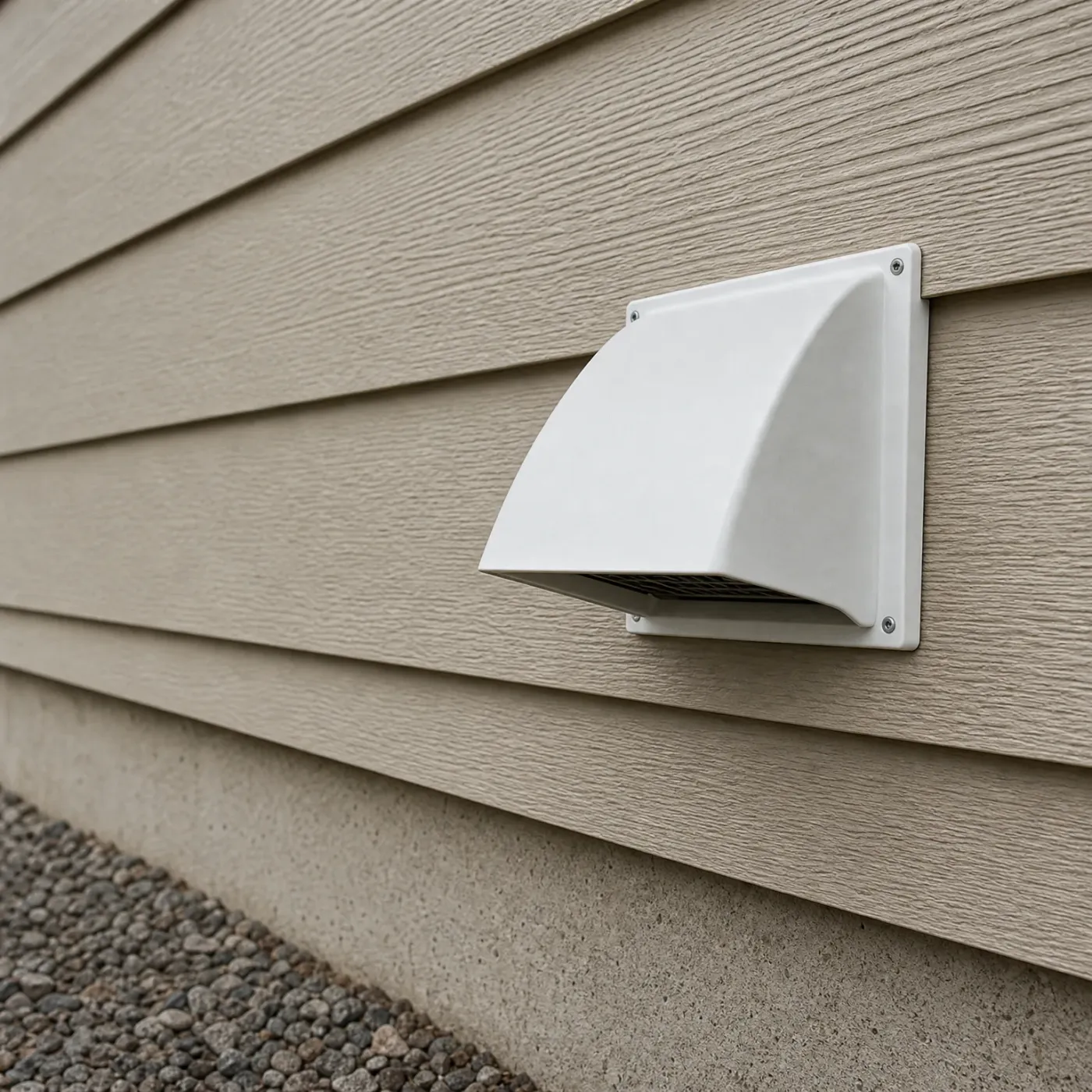
A white hooded louvered vent mounted on beige horizontal lap siding above a stucco foundation wall bordered by river rock gravel.

Clear and venting properly

Air moves freely through the hood and outside with every load. The flap opens when the dryer runs and closes when it stops, keeping pests and weather out. A dryer working this way finishes a load faster and pulls less lint back into the drum.

A white plastic hooded dryer vent with a lint-covered screened opening mounted on beige horizontal vinyl siding above a concrete foundation.

Clogged and blocked

Lint has packed into the screen until the opening is nearly sealed. Hot, damp air has nowhere to go but back toward the dryer, and that trapped heat is what turns a lint problem into a fire risk. Loads start taking longer to dry, which is usually the first sign.

A smiling gray-haired man in a dark wool coat with snow flecks stands in a dimly lit home entryway, with a lit table lamp, potted plant, framed pictures and a living room visible behind him.
An older man with gray hair and a beard, wearing a snow-dusted dark coat and knit scarf, stands smiling in a dimly lit house entry with a lit lamp, mirror, and a living room with snow visible through the window behind him.
An older man with gray hair and a beard, wearing a dark snow-dusted coat and plaid scarf, stands smiling in a warmly lit hallway with a lamp, side table and glass-paned doors behind him.
An older man with gray hair and a beard, wearing a dark coat dusted with snow, stands in a home entryway with a lit lamp, a staircase railing, and a living room with large windows behind him.

Lint catches fire easily, more easily than the wood framing around it, so a dryer running hot with lint packed against the drum is sitting next to its own fuel. A vent that is clogged does not let that heat escape outside where it belongs. It stays in the cabinet, cycle after cycle, and the heating element has to run longer to get clothes dry, which only adds more heat to the same spot. Most fires start right where the exhaust leaves the drum, since that is where lint collects first and builds up thickest over time. Checking the hood flap outside tells you a lot. If it barely opens when the dryer runs, the line back to the machine is probably restricted along its whole length, not just at the end. Gas dryers carry an extra risk worth knowing. A blocked vent does not just trap heat, it can push combustion exhaust back into the house instead of venting it outside.

Where the heat builds up

  • Lint is paper thin and catches fire at a lower temperature than wood, so a thick layer sitting near the heating element is real fuel.
  • A clogged vent traps heat inside the dryer cabinet instead of letting it push outside, and that heat has to go somewhere.
  • Most dryer fires start at the point where exhaust leaves the drum, right where lint collects first and thickest.
  • A dryer working against a blocked vent runs its heating element longer per cycle, which means more hours of heat built up around trapped lint.
  • The outside hood flap is the last place to check, since a flap that will not open wide means the whole run back to the dryer is likely restricted.
  • Gas dryers add a second concern, since a blocked vent can push combustion exhaust back into the home instead of outside.
A square plastic dryer vent hood mounted on light-colored horizontal lap siding above a concrete foundation, with gray lint clogging its screened opening.
Before you get your dryer vent cleaning
A white hooded dryer vent cover mounted on beige horizontal vinyl siding above a concrete foundation wall with gravel at the base.
After you get your dryer vent cleaning
A white hooded exterior vent cover with a screened opening mounted on beige lap siding above a concrete foundation and gravel strip.

Get your dryer vent to the right pro

One request and the search for a pro is handled.

A local pro who cleans dryer vents gets in touch with you.

I'm done searching

Asking costs nothing, and the choice to hire stays yours.

Clean the vent, or let it ride

Keep cleaning it

  • Lint keeps building with every load, so a vent that was clear in spring can be restricted again by the time the humid Iowa summer washing picks up.
  • A clear vent lets the dryer push hot, damp air all the way outside instead of trapping it against the drum and the heating element.
  • The flap at the hood opens and closes the way it should, so moisture actually leaves the house instead of collecting in the vent run.
  • Loads dry in fewer cycles because the dryer isn't working against trapped heat and damp air backed up inside the duct.
  • A technician looking at the vent run now can see how much lint has collected and whether the hood and ductwork are still sound.

Skip it and wait

  • Lint keeps collecting behind whatever is already caught in the vent, and nothing clears it out until someone runs a brush or a cleaning tool through the line.
  • Trapped heat has nowhere to vent, so it stays inside the dryer cabinet right next to the heating element with each run.
  • Longer dry times become normal, and the extra heat and extra cycles both come from the dryer working harder than it should.
  • The flap at the hood may stay stuck shut or stuck open since airflow through it keeps dropping as the blockage grows.
  • Whatever is restricting the vent today is still there next week and next month, since a clogged line does not clear itself.
A white plastic hooded dryer vent with a screened opening mounted on gray horizontal lap siding above a concrete foundation and gravel bed.

The hood sits open and clear

The flap swings down and air pushes straight out. Nothing is matted across the opening and no lint has gathered on the siding below it. A dryer venting like this is doing what it was built to do.

A white plastic dryer vent hood mounted on horizontal lap siding, clogged with gray lint at its lower opening, above a concrete foundation and walkway.

The hood is packed with lint

The opening is matted shut with lint and the flap can no longer swing free. Lint has worked its way down onto the foundation below, which is a sign of how long air has been fighting to get out through an opening this small.

What does a clogged dryer vent look like in your laundry room

Towels that used to dry in one cycle now need two. The dryer runs hot to the touch, and the top of the cabinet is warm even partway through a load. You pull the lint screen and it is full after a single load of sheets. Outside, the vent hood flap barely lifts when the dryer is running, or it doesn't move at all. Laundry comes out smelling faintly scorched instead of clean. Each of these is lint sitting where it shouldn't, slowing down the air the dryer needs to push outside. Left alone, that buildup sits right next to the heating element, and a dryer that can't vent is a dryer working against itself every time you run it.

  1. The dryer heats air and pushes it through the drum.

  2. Lint rides the airflow and sticks to the duct walls.

  3. A clogged duct forces hot air back into the cabinet.

  4. Trapped heat builds against lint until it ignites.

A woman with dark shoulder-length hair sits wrapped in a gray fleece blanket on a sofa with an open book on her lap, beside a lit lamp and a dark window.
A woman in a cream knit sweater sits in an armchair indoors, eyes closed and smiling, beside a window showing yellow and orange autumn foliage, with a mug on a wooden side table and shelves holding vases behind her.

Power costs 13.62 cents per kilowatt-hour statewide

At 13.62 cents a kilowatt-hour, running a dryer twice through a load because the first cycle never fully dried anything costs you real money, not just time. A clogged vent is why that second cycle happens. Clearing it is one of the cheaper habits you can keep up on the house.

EIA-861 2025 statewide residential average

A pile of beige and navy towels sits on top of a white top-loading laundry machine in a dim room with a dark wall, wood floor, and a wooden shelf holding baskets and a plant.

It is almost nine on a weeknight and you still have a dryer going. The second cycle just ended and the towels on top are still damp at the folds, warm but not dry, the way they have been coming out most of this week. You open the lint screen out of habit, even though you cleaned it before the load. The room feels warmer than the rest of the house, and the air coming off the cabinet smells faintly hot, like dust on a light bulb. You set the damp towels aside to run again tomorrow and head to bed, meaning to look at the vent hose this weekend if you remember.


A clogged dryer vent is a real fire risk, not a worst-case story someone made up to sell a service. Lint is fuel, trapped heat has nowhere to go, and the two together are how dryer fires start in Iowa homes and everywhere else. You already know the signs if you have been watching for them: longer dry times, a hot cabinet, a lint screen that fills up fast. Clearing the vent is the kind of upkeep that is easy to put off because nothing bad has happened yet, but it does not take a disaster to make it worth doing. You do not have to track down who handles this yourself. Once you send the request, that part is off your plate, and someone who does this work will be in touch to get your vent cleared before it becomes the thing that finally catches.

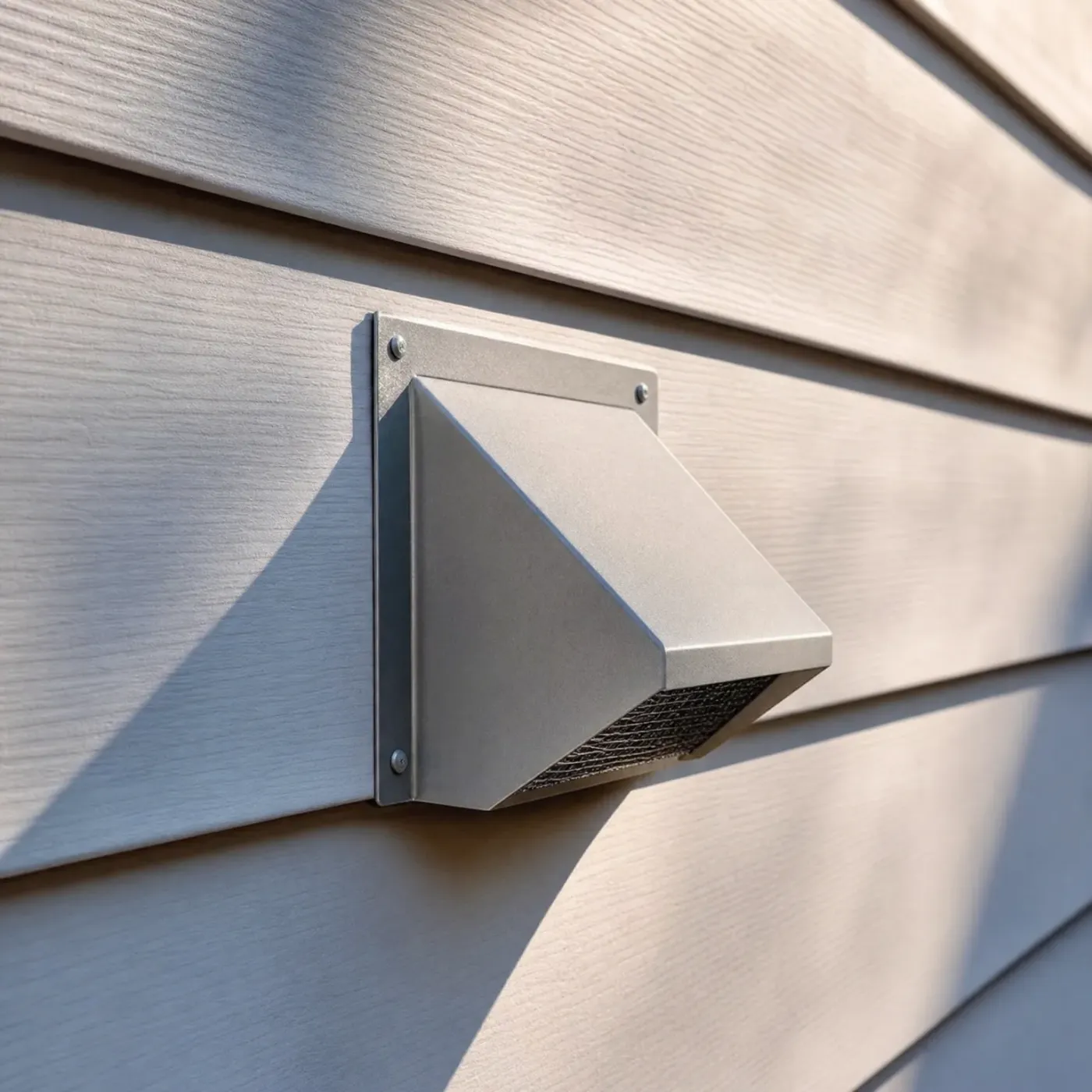
A metal hooded exterior vent cover with a screened downward opening, screwed to light gray horizontal lap siding in sunlight.

The right pro for this job

Hand it over

Send it once and finding someone is no longer on you.

No fee to send it, and nothing to sign.