Signs of a clogged dryer vent in Des Moines, IA

Send it once and finding someone is no longer on you.

I'm done searching

What are the signs of a clogged dryer vent?

Your dryer has been acting strange, maybe taking longer to dry a load than it used to, or the top of the machine feels hot to the touch. You want to know if this is a clogged vent before it turns into something worse, especially with how often you run loads through a hard Iowa winter and a sticky Polk County summer.

Clothes take two or more cycles to dry, and the dryer runs hot

A clogged vent means the hot, damp air leaving your dryer has nowhere to go, so it backs up into the machine. That shows up first as laundry that's still damp after a full cycle, then needs a second or third run to finish. The dryer itself runs hotter than normal, and the outside of the cabinet or the door can feel warm. You may notice the room gets more humid than it used to, or a burnt smell when the dryer is running. Check the outside vent hood while a load is drying. Little or no airflow there, or the flap barely moving, points straight to a blockage in the line between the dryer and the outside wall.
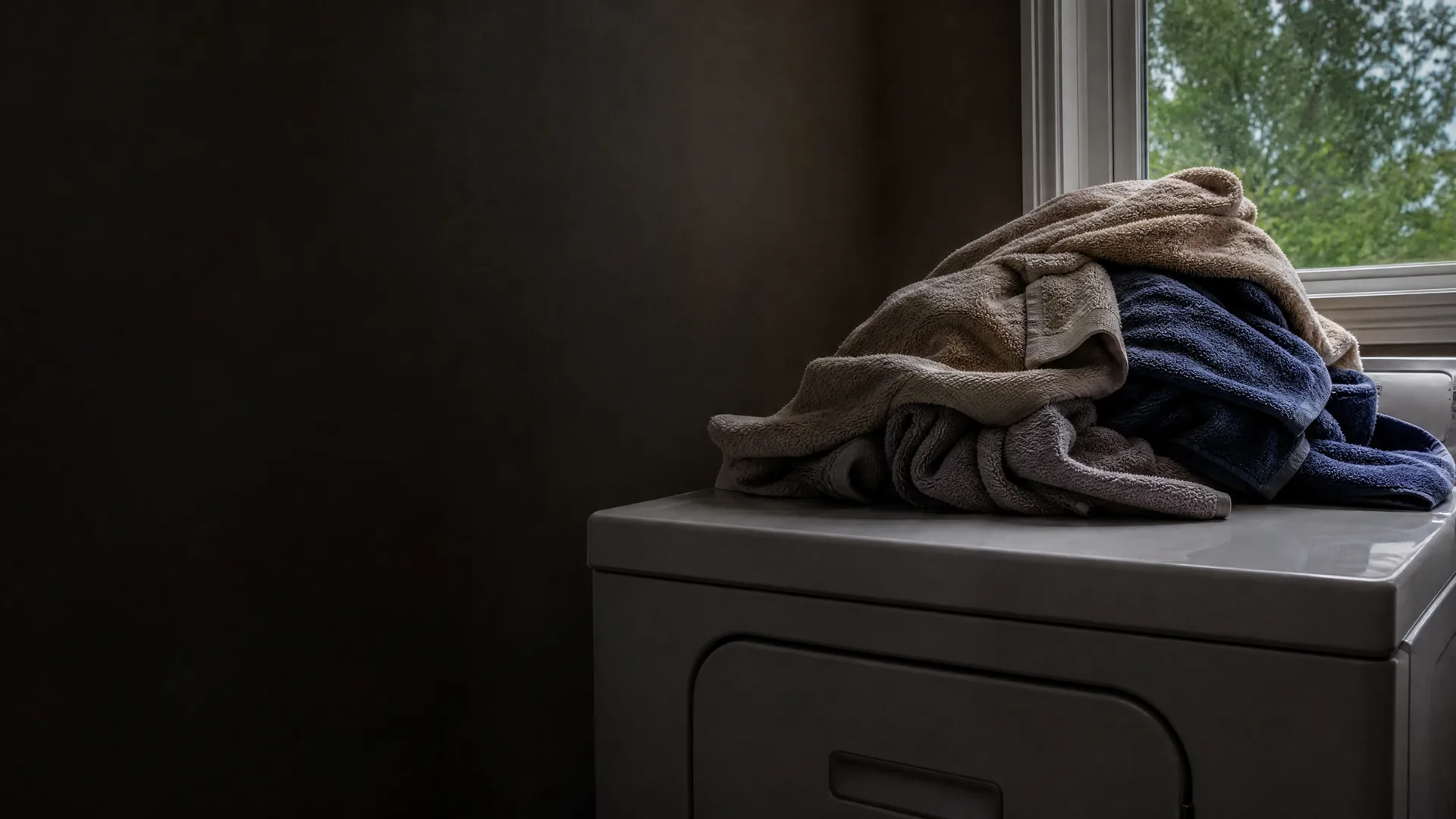
A pile of beige, blue, and gray towels sits on top of a white dryer beside a window with green foliage outside, against a dark wall.

You pull the towels out after the cycle ends and they're still damp, heavier than they should be. It's a weeknight, laundry piling up like it does, and this is the second time this week you've had to run the same load twice. You set the wet towels on top of the dryer while you check the lint trap again, already cleared it, and feel the air coming off the back of the machine. Warmer than it should be. The vent hose behind the dryer hasn't moved in years. You stand there in the laundry room doing the math on how long it's actually been.

Why does a clogged vent hit your house harder than the next one?

  • 2.41 people per household on average

    With 2.41 people in the average Polk County household, laundry runs often, and a blocked vent means more re-dried loads before anyone notices the pattern.

  • Half the homes here were built by 1982

    Half the homes in Polk County were built in 1982 or earlier, and older duct runs tend to have more joints and turns where lint settles and builds.

  • Power here costs 11.37 cents per kilowatt-hour

    At 11.37 cents per kilowatt-hour, a dryer forcing air through a clogged vent runs longer to finish each load, and that extra run time shows up on the bill.

ACS 2020-2024 · EIA-861 2025

A dryer works by pushing heated air through the drum and out through the vent, carrying moisture with it. That airflow is what dries the clothes, not just the heat. When lint builds up inside the vent, usually in the duct run between the back of the machine and the outside hood, or right at the hood flap itself, the air has nowhere to go. The dryer keeps heating, but the moisture it's supposed to carry out stays in the drum, so clothes come out damp and the machine runs longer trying to finish the job. The motor and heating element work the same as always. They just can't do their job with the exhaust path choked off. That's why the cabinet feels hotter than normal on top or along the lint screen housing, and why you'll sometimes smell a faint burning odor, that's lint sitting too close to the heating element for too long. The vent hood outside tells you something too: if the flap barely lifts or doesn't move at all during a cycle, there's not enough air pushing through it.


A white hooded dryer vent with a screened opening mounted on beige horizontal lap siding.
The louvers sit open and the screen behind them is clean, so air pushes out every time the dryer runs.
A dirt-streaked white plastic dryer vent hood screwed to light gray horizontal lap siding above a concrete foundation wall.
Lint has built up around the flap and across the hood, a sign the vent can't push air out like it should.

A dryer moves a set amount of air every cycle. Lint doesn't stop that air, it narrows the path it travels through, usually in the duct run between the back of the machine and the wall, or further along near the hood outside. The motor keeps turning at the same speed, but less air gets through, so heat has nowhere to go and moisture stays in the clothes. That's why a load comes out damp even though the dryer ran the full time. It's also why the machine itself heats up, the air that should be carrying that heat outside is backing up instead. Checking the hood outside tells you more than checking the lint trap. The trap only catches what the drum sheds on its way out. The rest collects further down the line, past where you can see it, and that's the part building the restriction. A burning smell or an early shutoff means the buildup has gone past the point of slowing the dryer down and started trapping heat where it shouldn't sit.


What's Happening Inside the Vent

  • A dryer that runs a full cycle and still leaves clothes damp is pushing less air than it should, not just less heat.
  • Lint trapped in the duct run narrows the path, so the same motor now has to force air through a smaller opening.
  • The outside hood should swing open fully when the dryer runs; one that barely moves means the vent is already restricted.
  • A burning smell during the cycle usually means lint sitting too close to the heating element, not just dust in the drum.
  • The vent line itself will feel warm or hot to the touch along its length if airflow has slowed enough to trap heat inside it.
  • A dryer that shuts off before the timer ends is often doing that because a safety thermostat caught heat building up with nowhere to go.
A man in a gray knit sweater stands smiling and looking off to the side beside a white marble kitchen island, with a dining table, pendant light, and open shelving in the background.
A smiling man with short dark hair and stubble in a gray sweater sits at a stone-topped counter with a white ceramic mug, in a room with a framed picture, a plant, and shelves holding bowls.
A smiling man in a dark navy sweater sits at a wooden kitchen counter with a light ceramic mug, with white tile backsplash, open shelving and a window with potted plants behind him.
A smiling man with dark hair and a beard, wearing a dark green knit sweater, stands at a kitchen counter with a ceramic mug, with an open living room, sofa, armchair and large windows behind him.
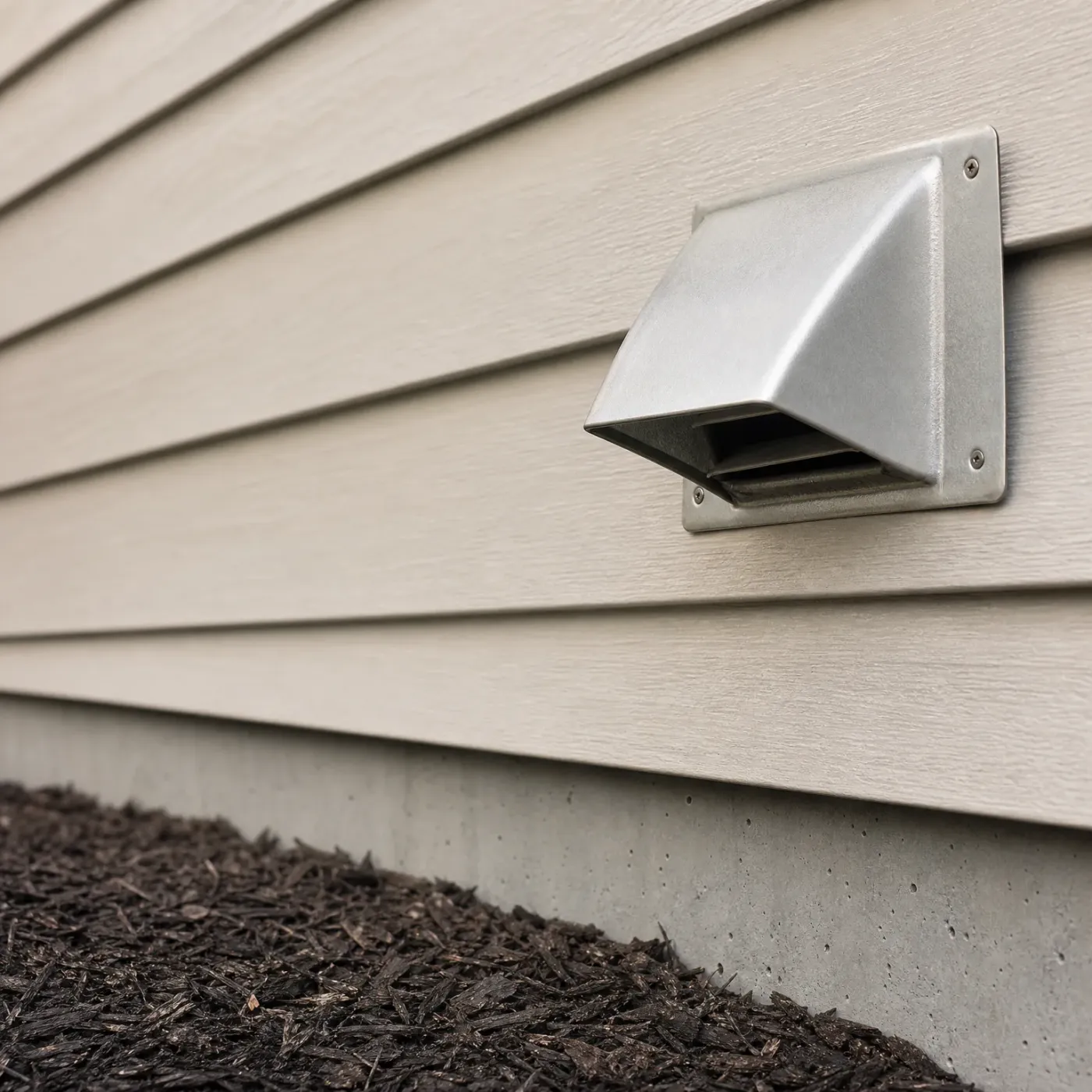
A metal hooded exterior dryer vent with louvered opening mounted on beige lap siding above a concrete foundation bordered by dark mulch.

One request and it's handed off

Answer a few questions about the dryer vent cleaning and skip the search.

Send the form and finding a dryer vent cleaner is handled.

Hand it over

You only hire the pro if you want to.

A metal dryer vent hood mounted on beige horizontal lap siding, with gray lint clogging its open flap, above a lighter textured foundation wall.
Before you get your dryer vent cleaning
A white hooded exterior dryer vent with a mesh screen, screwed to light gray horizontal lap siding above a concrete foundation.
After you get your dryer vent cleaning

32 minutes a load

Dryer vents built up with lint can push a normal cycle well past half an hour, and a second run after that to get clothes actually dry.

Skip the search

135 degrees

A dryer exhaust that should run warm can climb this high at the outside hood when lint blocks the airflow, instead of venting that heat outside.


Skip the search

Clean Vent or Clogged Vent

Clean vent

  • Air pushes out hard enough to move the outside hood louvers every time the dryer kicks on.
  • A full cycle gets clothes dry without a second run, and the lint screen comes out light after each load.
  • The duct run stays cool to warm along its length, not hot, since air is moving through it freely.
  • The top of the dryer and the area behind it stay close to room temperature during a cycle.
  • Lint collects where it should, in the trap, instead of settling inside the duct.

Clogged vent

  • The outside hood barely moves air, or the louvers stay shut even with the dryer running.
  • Clothes come out warm but still damp, so the same load goes back in for another 20 or 30 minutes.
  • The duct run feels hot to the touch, sometimes the dryer cabinet does too, because the heat has nowhere to go.
  • A burning or hot dust smell shows up partway through the cycle as lint sits against the heating element.
  • Lint shows up around the hood flap or just inside the duct opening instead of staying in the trap.
A bearded man in a navy t-shirt sits on a beige sofa, laughing while looking toward a laptop screen visible in the lower foreground, with a houseplant, shelves, and a framed picture behind him.
A man with graying hair and a beard in a plaid flannel shirt stands indoors looking out a frosted window at snow-covered trees, with a ceramic mug on the sill.
A white hooded exterior vent cover with a louvered underside, screwed to beige horizontal lap siding above a lighter stucco lower wall.

What the hood should look like

This is a clean vent cap. The louvers hang open and close on their own with each gust from inside, and the screws holding it to the siding are the only thing you'd notice if you walked past it.

A beige plastic dryer vent hood mounted on horizontal vinyl siding, with clumps of gray lint protruding from the open flap.

What a clogged one looks like

Lint is pushing out past the louvers and sitting on the hood itself. If you can see it from the yard, it's packed tight enough inside that the flap can't shut all the way anymore.

2.41 people per household on average

At 2.41 people, most houses here are doing two or three loads a week, not one big wash on a Sunday. That's more chances for a vent already running slow to fall further behind, and more loads stacking up in the hamper while you wait on a cycle that should've finished an hour ago.

ACS 2020-2024

A closed laptop and a ceramic mug of coffee on a wooden table, with a blurred kitchen counter, cutting board, utensil jar and plant in the background.

A dryer that's drying right doesn't ask you to think about it

The signs come down to this: a dryer that runs long, runs hot, and leaves clothes damp is telling you air isn't moving through the vent the way it should. Check the outside hood. If the louvers sit shut and still when the dryer's running, or lint is packed around the flap, that's your answer. If they open and flutter with the airflow, the vent's doing its job.

Once you know which one you've got, the next step is getting someone out to clean it, not spending your evening calling around Polk County to find out who does this kind of work, what they charge, and when they can come. Send the form once and that search is off your list. You'll stop re-explaining the problem to a third contractor and get back to running a normal cycle instead of two.


Interior corner of a room with a dark upholstered sofa and textured cushion, a potted plant, sheer curtains at a multi-pane window showing blurred green and yellow trees, and a dark table holding a wooden tray with stacked coasters and a small ceramic vase.
A single-story house with horizontal siding and large windows lit from within at dusk, beside a lawn, low path lights and a dark gravel driveway, with pine trees and a distant waterway under an orange and blue sky.

Dryer Vent Cleaning

It's off your list after this

Duct and vent cleaningPolk County, IA
Step 1 of 3

What kind of equipment?

  • A gray upholstered sofa arm with a cream knit fringed throw sits beside a wooden side table holding a stack of books, a shallow wooden bowl, and a ceramic vase of leafy branches, on a wood floor near a window.
    • Get matched with a Polk County pro who cleans dryer vents.
    • Get matched with a pro who works on dryer vents in Polk County.
  • A living room corner with a cream upholstered sofa and cushion beside a wooden side table holding a ceramic vase of olive branches and a small dark bowl, with a framed landscape painting on the gray wall and a linen curtain at the window.
    • After you send the request, you're done searching.
    • Send the form and the dryer vent cleaning stops sitting on your list.
  • A wood-framed armchair with a beige cushion and knitted throw sits beside a round wooden side table holding a ceramic mug, with a potted green plant near a window in the corner and a framed picture on the wall.
    • Skip searching for someone who cleans dryer vents in Polk County.
    • Fill out one short form instead of calling around.
  • Interior corner with beadboard wainscoting, a gray cabinet with wood countertop holding a vase of greenery below a window, and a potted leafy plant in a woven basket on a wood floor with a fringed jute rug.
    • The pro who gets in touch is licensed in Iowa and works in Polk County.
    • A licensed pro who works in Polk County gets your request.