Zero degrees outside
That's the design temperature a Manual J calculation uses for most of Iowa. A furnace sized for your house should keep up even on the coldest nights you get.

No phone calls to make
If your furnace runs nonstop on a cold day and still can't hold the temperature you set, it may not be sized for your house. Below are the signs that point to an undersized unit rather than something simply broken. Once you know what you're looking at, you won't need to call around to a handful of installers, explain the same symptoms over and over, and weigh quotes against each other. One licensed Iowa contractor who works on furnaces all winter can tell you what's actually going on.
Skip the callsThe clearest sign is a furnace that runs almost the whole time it's cold outside and still leaves some rooms colder than others. An undersized furnace can't produce enough heat to cover the square footage it's hooked up to, so it just keeps running, trying to catch up, and never quite does. You might also notice the thermostat reads the set temperature while the room farthest from the furnace still feels cold, or that the house loses heat fast once the furnace shuts off. During a stretch of single-digit or below-zero days, which Iowa gets most winters, an undersized furnace falls further behind, because the gap between what it can put out and what the house needs gets wider as it gets colder outside. A furnace sized right for the house keeps up even on the coldest nights. One that's undersized was likely never matched to the house in a proper load calculation, which is something worth checking before replacing it with another unit that's also the wrong size.


A contractor sizes a furnace by running a Manual J load calculation on your house: square footage, window count, ceiling height, insulation, how much sun hits which walls. That number in BTUs per hour tells them what size furnace your house actually needs. A lot of replacements skip that step. If your old furnace got swapped out for a new one without anybody recalculating the load, you likely got a furnace sized to match the unit that was there before, not your home as it stands now. That can mean a furnace that is too small.
People sometimes confuse this with short cycling, where a furnace turns on and off too fast. That's a different problem, and it's almost never what an undersized furnace does. An undersized furnace usually can't produce enough heat to satisfy the thermostat in the first place, so it just keeps running instead of shutting off early.
The blower fan can be moving air at the correct speed and you'll still feel cold rooms, because the fan only moves air. The burners are what produce the BTUs that heat it. If the burners can't keep up, the air moving through the ducts is cooler than it should be, and rooms at the far end of a duct run or farthest from the furnace will feel it first.
The clearest tell is timing. A part that's failing usually causes problems no matter what the temperature is outside. A furnace that's undersized tends to struggle most on the coldest days of the year, when the gap between what it can produce and what your house needs is largest.


That's the design temperature a Manual J calculation uses for most of Iowa. A furnace sized for your house should keep up even on the coldest nights you get.
A furnace too small for the ductwork it's tied into will run long cycles no matter how new it is. Sizing has to match the house, not just replace what was there.
You've noticed the furnace runs for a long stretch, sometimes most of an hour, but when you stand near a vent the air coming out doesn't feel very warm. It's not shutting off like it should, and the house still feels a few degrees off from what the thermostat says. You want to know if that's normal for a cold day or if it points to something wrong with the unit itself.
A correctly sized furnace fires, raises the air to a noticeably warm temperature at the vent, and shuts off once the thermostat is satisfied. An undersized one can't put out enough heat to catch up, so it keeps running, pushing air that's warm but never quite warm enough to close the gap. You feel that as cool air even though the furnace is working the whole time. This is different from a furnace short cycling or tripping out, which usually points to a part failing. Long run times with lukewarm air point to a unit that's undersized for the BTU load your house actually needs, especially on the coldest days Iowa gets.
The thermostat calls for heat when room temperature drops below the setpoint
The gas valve opens and the igniter lights the burners
The blower pushes air across the heat exchanger to pick up heat
Warm air travels through the ducts and out through the vents


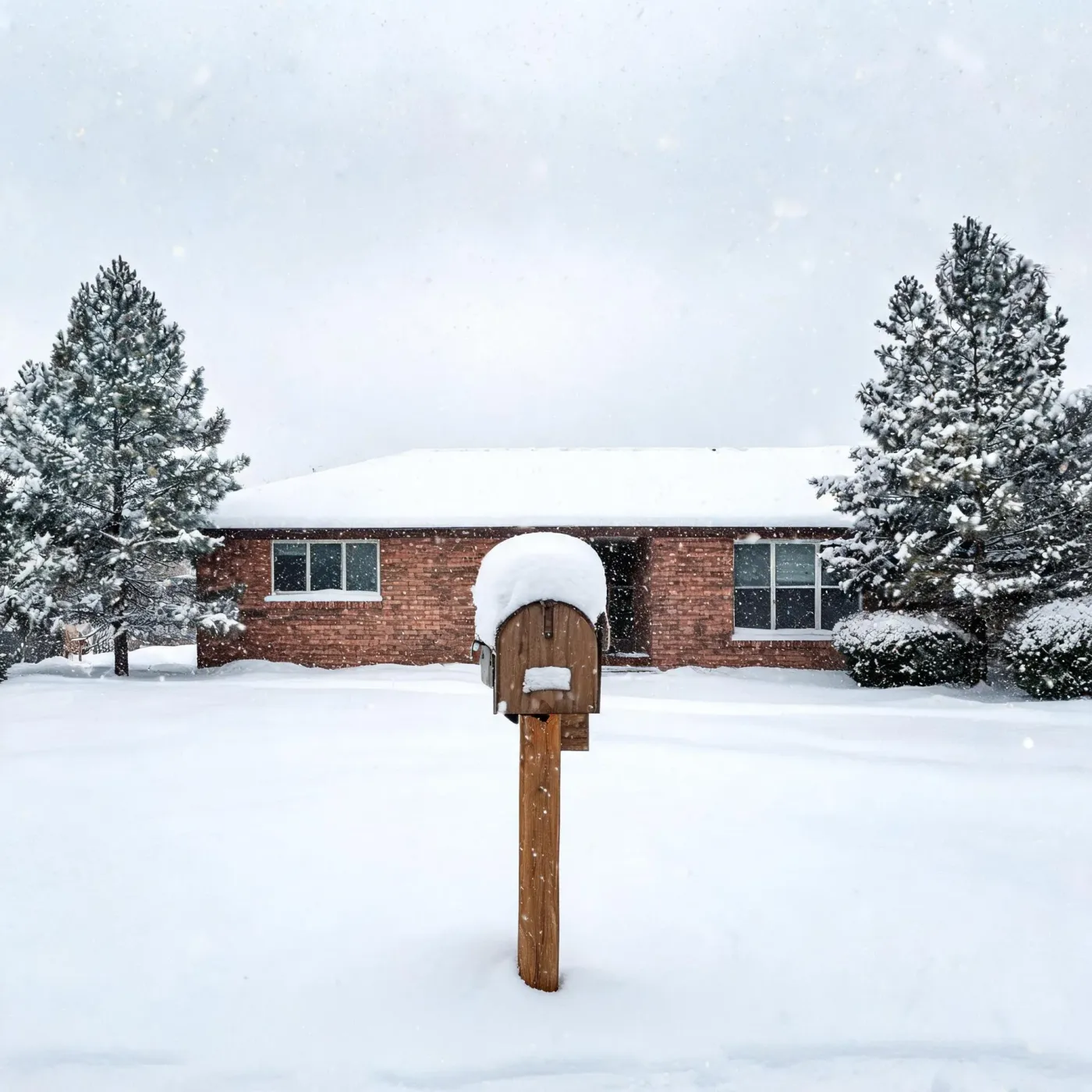
Iowa winter nights average 15°F statewide, according to NOAA climate data. At that temperature, a furnace sized right for your house still has reserve left to call on. One sized too small is already running flat out well before the thermometer gets there, since it has nothing extra to give once the cold sets in. That's the night you'll notice a room that never quite gets warm, or a furnace that doesn't shut off until well past bedtime. Instead of spending that night searching for a contractor, calling a few, and repeating the same description of your furnace to each one, you can have a licensed local installer who works on furnaces in Iowa homes all winter take a look and tell you what your house actually needs.
NOAA nClimDiv 1991-2020 county normals weighted by homes
Only one pro gets your request, so you hear from one company.
No fee to send it, and nothing to sign.

A furnace that runs long stretches is burning gas the whole time it does it. Since power is cheap here and most Iowa homes heat with gas, that cost shows up on the gas bill instead, and it climbs through the coldest months without the house actually getting warmer. You end up paying more for heat you're not getting, which is the opposite of what a furnace replacement should do.

Maybe it's a bedroom at the end of the hall, or the basement, or a room over the garage. If a furnace can't produce enough heat for the square footage on the ducts, the rooms farthest from it lose out first, and you adjust without noticing you're doing it. A furnace sized to your house, put in by someone who ran the load calculation instead of guessing, should heat every room you're paying to heat.
On an average winter night here, it drops to around 15°F. A furnace sized for your house still has heat in reserve at that temperature. One that's too small is already maxed out before the night gets that cold.
NOAA nClimDiv 1991-2020 county normals weighted by homes

It's just past six and still dark outside. You're in the kitchen waiting on coffee, and the space heater is going by the table because the floor by your feet never warmed up overnight. The basement door is open behind it, you went down twice already to look at the furnace, listening for it to kick off like it used to. It hasn't. You can hear it still running from up here, steady, the way it's been running most nights this week. The dog won't come off the rug near the heater. Out the window the thermometer on the porch post reads nineteen, nothing close to the kind of cold that should be giving it trouble like this.

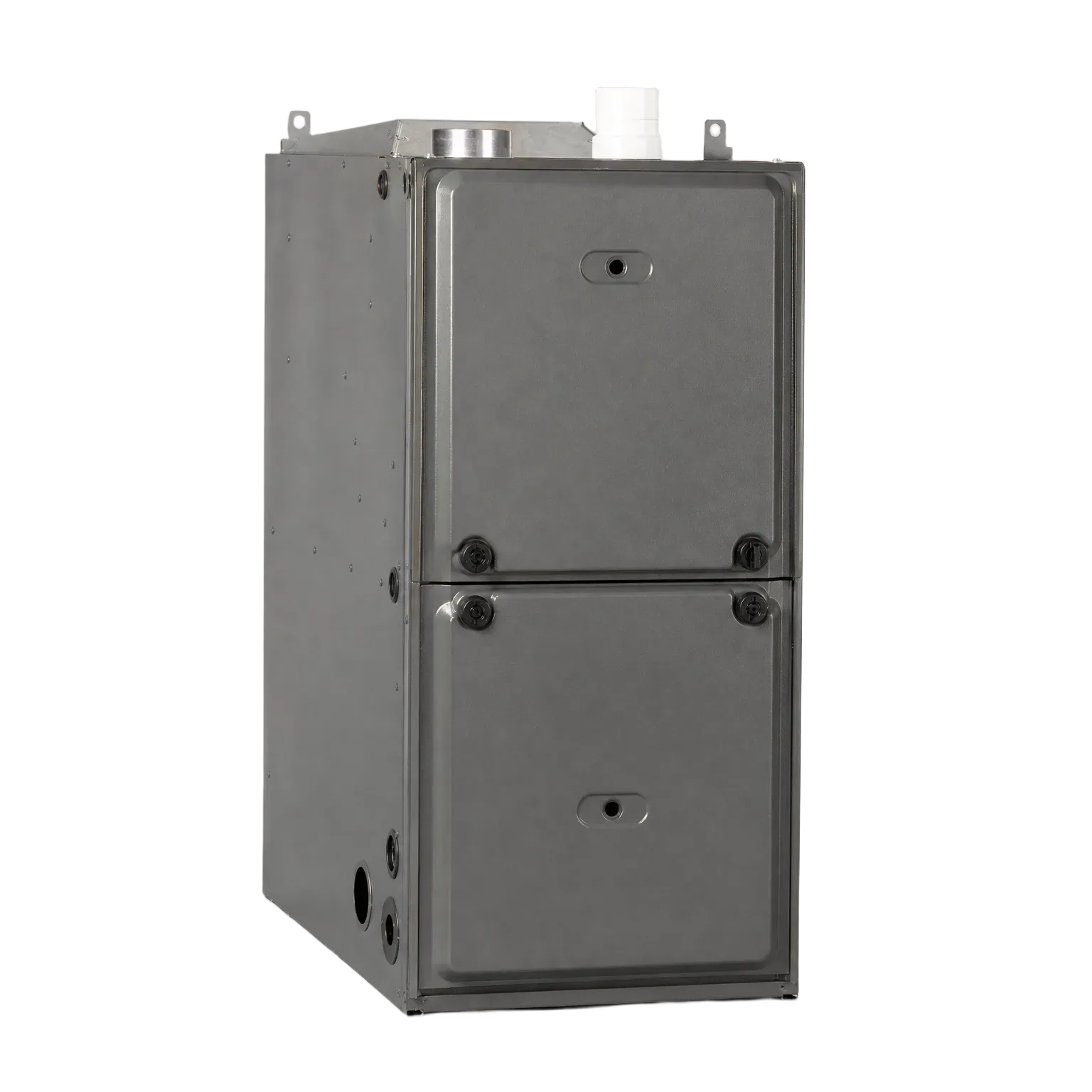
This furnace cycles on, heats the house, and shuts off. The cabinet, the flue pipes, the gas line all sit there doing their job without strain. Standing next to it on a cold night, you'd hear it stop. That's a furnace sized to the house it's hooked to.

This one doesn't get that rest. It's old enough that a load calculation likely never happened when it went in, and the ductwork above it is carrying more than the furnace can push through it for long. The drain line and the flex conduit running off to the side are doing their part fine. The furnace itself is the piece that's outmatched.

Long run times, uneven rooms, a gas bill that climbs faster than the temperature drops. Those point to a furnace that can't produce enough heat for the house it's in, not one that's broken. Replacing it with another unit sized to match the old one just carries the problem into the next furnace.
Fixing it means a Manual J load calculation done against your house, then a furnace installed to match that number. Rather than searching around for someone to do that calculation correctly, explaining the same symptoms to several companies, and sorting through quotes that may not even be sized off the same numbers, you're matched with one licensed Iowa contractor who installs furnaces in homes like yours every winter and knows what an undersized unit looks like before you finish describing it.





Explain it one time
Your request stays with one local pro.