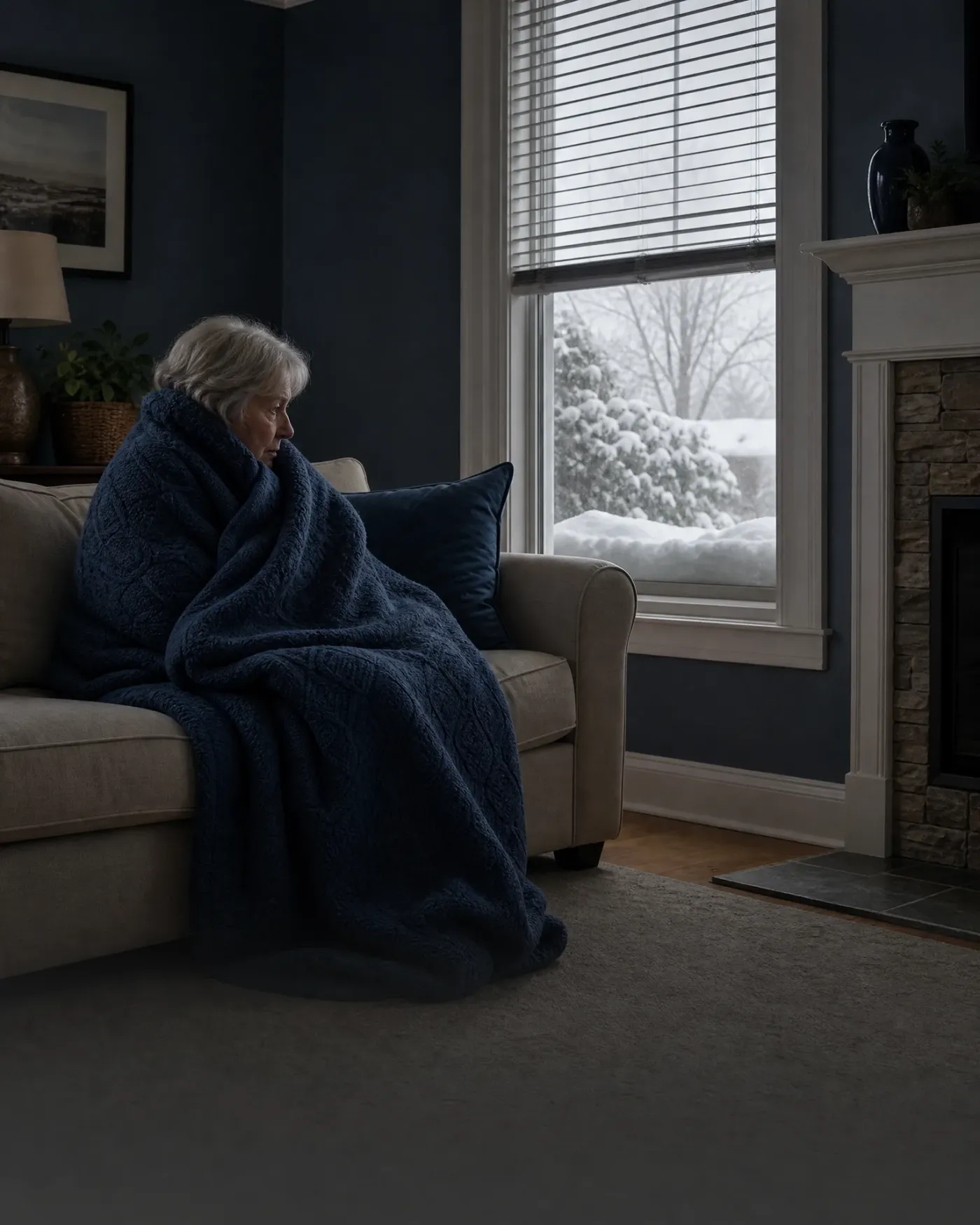
Why your heat won't reach upstairs in Iowa
Why won't heat reach the upstairs of my house?
You keep the thermostat set the same all winter, and the first floor feels fine while the bedrooms upstairs stay cold. You've checked that the vents are open and nothing is blocking them, so now you're wondering if something in the furnace or the ductwork is actually the cause, and whether it's worth calling someone about before it gets worse.
Your furnace can't push enough warm air up there, or too much of it is escaping on the way
Heat rises on its own, but that doesn't mean it reaches the second floor. Warm air has to travel through ductwork that often runs longer and through colder spaces, like an attic or an unheated space between floors, before it ever gets upstairs. If the blower isn't moving enough air, or a duct has come loose or is leaking along the way, the first floor gets first claim on the heat and the upstairs gets what's left. A single thermostat downstairs makes this worse, since the furnace shuts off once that room is satisfied, whether or not the upstairs ever caught up. In an Iowa winter, that gap between floors can be the difference between a comfortable bedroom and one you keep the space heater running in.

Heat rises, but air doesn't move itself
Warm air drifts up on its own, but getting enough of it upstairs depends on the duct run from the furnace reaching those rooms with enough force left to push it out the vent. A duct that's too narrow, kinked in the attic, or feeding too many rooms off one branch will lose pressure before it ever gets there. The furnace can be running fine and still not solve this, because the problem is in the path, not the equipment.

One thermostat can't see upstairs
A single thermostat reads the temperature where it's mounted, usually downstairs, and tells the furnace to shut off once that spot hits the setting. If the first floor warms up faster, the furnace stops running before the upstairs ever catches up. This is common in houses built with one thermostat for two floors, and it's worth checking if your system has a way to balance the two separately or if a damper in the ductwork needs adjusting by a contractor.
Work Around It Or Fix The Duct
Live With It For Now
- Close the vents on the first floor partway so more air gets pushed toward the duct run heading upstairs.
- Run the furnace fan on the thermostat's 'on' setting instead of 'auto' so air keeps moving between floors even when the burner isn't firing.
- A space heater in the coldest upstairs room can take the edge off on the worst nights without touching the ductwork.
- This doesn't fix a duct that's too narrow or restricted, so the gap between floors stays the same all winter.
- Your gas bill reflects a furnace that's running longer to make up for air that isn't reaching where it's needed.
Have It Looked At
- A contractor can measure airflow at the upstairs vents and tell you if the duct run is undersized for those rooms.
- Fixing a kinked or crushed duct, or adding a return upstairs, solves the problem instead of working around it every day.
- If a damper in the system is stuck or was never balanced right, that's a quick adjustment once someone's in the attic or basement to find it.
- Catching this now means the upstairs rooms get warm the same way the rest of the house does, this winter and every one after.
- Once you send the request, a contractor who handles this kind of ductwork in Iowa homes reaches out to you, and you're done chasing it down yourself.





A cold upstairs is a sign something changed, not just how the house is
You notice it most at bedtime, when the thermostat downstairs reads 70 and the hallway upstairs feels closer to 60. That gap costs you more than comfort. The furnace runs longer trying to satisfy a thermostat that's already happy, and the rooms upstairs still don't catch up. If you've lived in the house a while and this is new, something in the duct run or the blower has changed, not just the layout of your home.
Left alone, the usual fix is closing vents and running the fan on 'on', and that's a workaround, not a repair. A contractor who looks at your ductwork and your furnace's airflow can tell you whether this is a blockage, a duct problem, or a system that's undersized for reaching the second floor. Once you send the request, that part is off your plate. Someone who handles this work in your area will reach out to you directly.

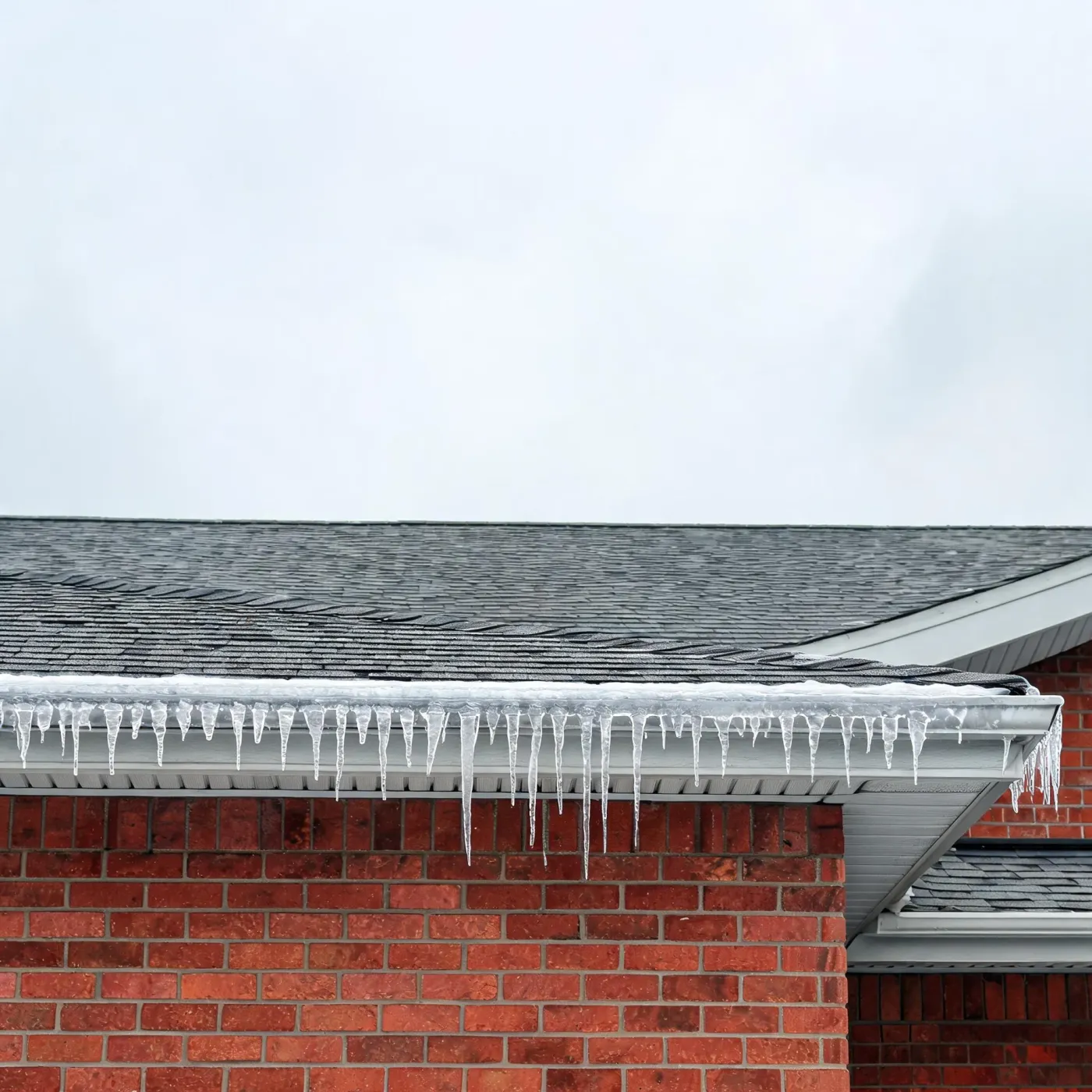
Winter nights average 15°F statewide, per NOAA, and that cold leans hard on a furnace that's already struggling to push air up a duct run it wasn't sized for. The harder the furnace has to work downstairs just to hold temperature, the less it has left to force warm air up to the second floor. You'll notice it most on the coldest nights, when upstairs falls further behind than it does on a mild January day. If this is new this winter, something in the system changed, and it's worth having someone look at it before the next cold snap instead of after. Once you send in the details, a contractor who knows Iowa furnaces takes it from there and reaches out to you.
NOAA nClimDiv 1991-2020 county normals weighted by homes
Get your furnace to the right pro
A cold upstairs rarely fixes itself. If the duct run was undersized or something shifted in the ductwork, the gap between floors tends to hold steady or get worse as the nights get colder. By January, with temperatures sitting in the teens most nights, the furnace is already working harder to keep the first floor at temperature, and whatever force it had left to push air upstairs is the first thing to go. A contractor who works on furnaces in Iowa can look at the duct run itself, the static pressure, the registers, and tell you what's actually choking the air before it reaches the bedrooms. That's a different question than whether the thermostat is set right. Sending the request costs you nothing and doesn't commit you to anything. Once it's sent, you're not the one tracking down who can look at this. You just wait to hear from the contractor who reaches out.
If your upstairs has always run cold since the day you moved in, that's likely just how the ductwork was laid out, and it's worth having someone check whether it can be improved.
But if it used to be fine and only started this year, something changed. A blower losing strength, a duct that's come loose, or a return that's gotten blocked are all things a furnace repair can actually fix.
Winter nights average 15°F statewide
At 15 below zero some nights, your furnace has to run nearly nonstop just to keep the first floor at 70. Whatever air it was already struggling to push upstairs gets thinner still, because most of what it makes gets used up holding the main floor steady.
NOAA nClimDiv 1991-2020 county normals weighted by homes
What's Keeping Your Upstairs Cold
- A duct run that's too narrow or kinked limits how much warm air ever reaches the upstairs vents.
- A furnace working overtime to heat the first floor has less air left to push up to the second.
- A gap that showed up this year, rather than one that's always been there, points to something that changed in the ductwork.
- Closing first floor vents partway or running the fan on 'on' can ease the problem without fixing its cause.
- Below zero nights make the furnace lean harder on the main floor, leaving even less air for upstairs.
- Whether the layout was never built to reach those rooms or something shifted over time, the fix starts with having the ductwork checked.
The cold upstairs comes down to air that doesn't have enough force left to make the trip. Somewhere between the furnace and those vents, the duct run is losing pressure, whether from a section that's too narrow, a kink, or a furnace already spending most of what it makes just holding the first floor at temperature. On a 15 below night, there's less left over for upstairs than there was in October, because the furnace is leaning harder on the main floor to begin with.
How long this has been going on tells you something. If the upstairs has felt this way since you moved in, that's the ductwork doing what it was built to do, just not well. If it only started this year, something in that duct run changed, and it's worth finding out what. Closing first floor vents partway or switching the fan to 'on' instead of 'auto' will move more air upstairs in the meantime, but neither one fixes what's actually limiting the flow.
None of this gets better by waiting it out. Whether the layout was never sized to reach those rooms or something shifted in the ducts since, the next step is the same: have someone look at the duct run itself and find out what it would take to get enough warm air up there. That's a question for someone who can trace the ductwork room by room, not guess at it from the thermostat.


The right pro for this job
A cold upstairs usually comes down to a duct run that can't carry enough air, or a furnace working too hard downstairs to have anything left to push higher. A contractor who checks the ductwork and the furnace itself can tell you which one you're dealing with, and whether it's something that can be corrected. Send the form and the search ends there. You'll hear from a contractor who covers your area, and from then on getting the upstairs warm again is their job, not yours.
Send the request and finding a pro stops being your problem.
You only hire the pro if you want to.