
The flap is doing its job
The hood sits flush against the siding and the louvers close most of the way when the dryer isn't running. Air moves freely when you turn the dryer on, and nothing has worked its way inside to build on.
Get matched with someone who does this kind of work in Scott County.
Find my proA dryer vent stays warm and dark, and the flap on the outside hood is supposed to keep anything from getting in. If birds have built a nest there anyway, something about that hood isn't doing its job, and it's worth knowing why before the nest catches lint from the next load you dry.
Birds look for a warm, sheltered spot to build, and a dryer vent gives them both. The hood on the outside wall has a flap that's supposed to swing shut between loads. If that flap is bent, stuck open, or gone altogether, a bird can walk right in and start building, often in spring when nesting starts. Once a nest is in there, it blocks the airflow your dryer needs to push hot, damp air outside. Lint builds up behind the blockage instead of venting out, and that lint is what catches fire. A bird's nest in that vent is a fire hazard, not just a nuisance, and it needs to come out along with whatever lint has collected behind it.

The hood sits flush against the siding and the louvers close most of the way when the dryer isn't running. Air moves freely when you turn the dryer on, and nothing has worked its way inside to build on.

Lint caught in the louvers holds the vent open and gives a bird something soft to build with. Once a nest takes hold behind it, air can't push past the blockage, and that same lint sitting against a hot vent is a fire risk.
2.34 people per household on average
Your household is part of an average 2.34 people in Scott County, and more people in the house means the dryer runs more, which should keep birds out, not invite them in.
Half the homes here were built by 1972
Half the homes in Scott County were built in 1972 or earlier, old enough that the vent hood may have been replaced once already, or never.
Power here costs 12.22 cents per kilowatt-hour
Power here runs 12.22 cents per kilowatt-hour, cheap enough that most dryers here still run on gas, and a blocked vent on a gas dryer is worth checking sooner rather than later.
ACS 2020-2024 · EIA-861 2025
A dryer vent flap only works if it can move. Once lint or a bent louver holds it open a crack, warm air leaks out around the clock and a bird finds it within days.
Starlings and sparrows build in spring, from about March into May, right when Scott County mornings are still cold enough that the warm air pouring from your vent stands out to them.




Sticks and grass packed into the vent block the path the moist air needs to get outside. The dryer runs longer to dry the same load, because the air has nowhere to go. You may notice the laundry room getting warmer than it used to, or clothes coming out still damp on the first cycle. Lint has nowhere to go either, so it backs up behind the blockage instead of blowing clear of the house the way it should.
Lint is what catches fire, and a nest packed in behind it gives a blockage more material to hold heat against. The vent is also the dryer's only way to push out exhaust, so a full blockage can trip the dryer's safety shutoff or leave it running hot every time you use it. The longer a nest sits, the more packed in it gets, since the birds keep adding to it through the spring once they've found a way in.


A nest in the vent doesn't come out with a coat hanger or a shop vac from the garage. It's usually packed the full length of the duct, and getting it all out without tearing the vent or scattering debris into the wall cavity takes the right tools and a second look at why the hood failed in the first place. A contractor who works on vents in Scott County every spring has seen what starlings and sparrows do to that flap and knows whether yours needs a guard, a replacement hood, or just a clean sweep. Leaving it packed with sticks and grass means the dryer keeps running hot and long, and that heat has to go somewhere. Request a match and one local contractor, not a handful of them, will reach out to look at your vent and tell you what it actually needs.
Get the nest out as soon as you find it and the dryer runs the way it should again. A contractor who handles these calls every spring can tell you quickly whether the flap, the hood or the louvers let the bird in to begin with, and fix that part too, not just pull the nest and leave the same opening for the next one. That matters going into summer, when the dryer may run more with towels and bedding, and you want the exhaust moving freely before the heat sets in.
Nesting material packed into a vent does not loosen on its own. Every load after that pushes moist air against a blockage that is not going anywhere, and the dryer compensates by running longer to get clothes dry. Left through the summer, that strain adds up, and a nest that started as sticks and grass can mat down with lint behind it, which is a slower vent and a drier working harder for the rest of the year. The longer it sits, the more there is to clear out when someone finally does.
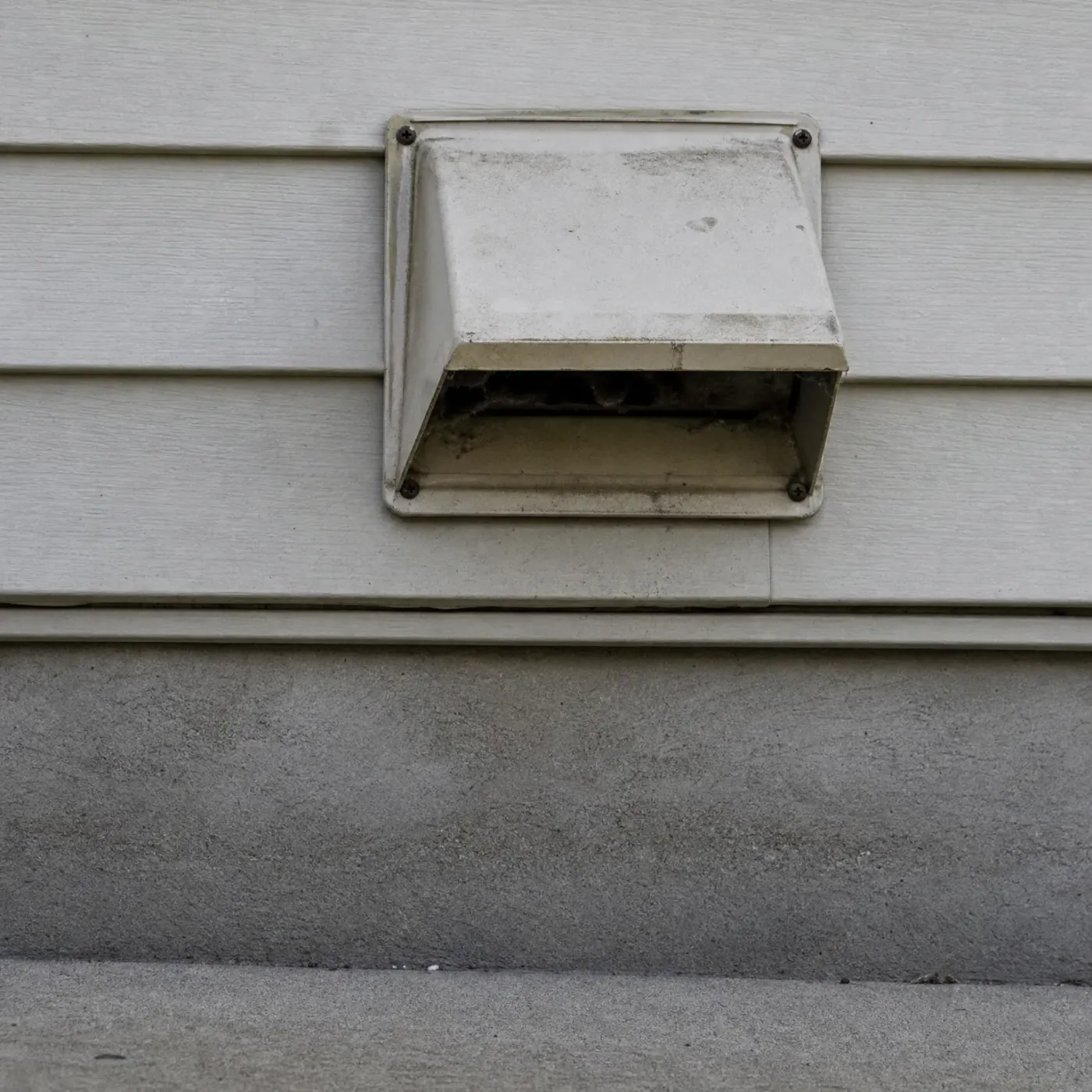

You can pull what you can reach from outside, but a nest built over a few weeks is usually packed further into the duct than a hand or a hook can reach.
A contractor who works on these vents every spring brings a line that can reach the full length of the duct and check the hood and flap while they're there.

A dryer duct is round and usually four inches across, so a bird can't turn around once it's a foot or two in. Starlings and sparrows build from the opening inward, wedging twigs against the inside of the duct wall until they have a cup shape to lay eggs in. That's why a nest is never just sitting at the hood. It's anchored further back, and pulling on it from outside tends to leave half of it behind packed against the metal.
Lint complicates this because it's already sticky with dryer sheet residue and it cakes to wet twigs the same way it cakes to the duct wall. Once a few trips' worth of lint binds into a nest, it doesn't break apart on its own. A contractor who clears these every spring knows to work the duct's full run, not just the few feet near the hood, and knows which jobs also need the hood or flap replaced so the next nest doesn't start the same way.

At 2.34 people, most houses here run a load most days of the week, not just on weekends. That should work in your favor, since a vent that sees regular use gives a bird less of a window to settle in before someone notices the nest.
ACS 2020-2024
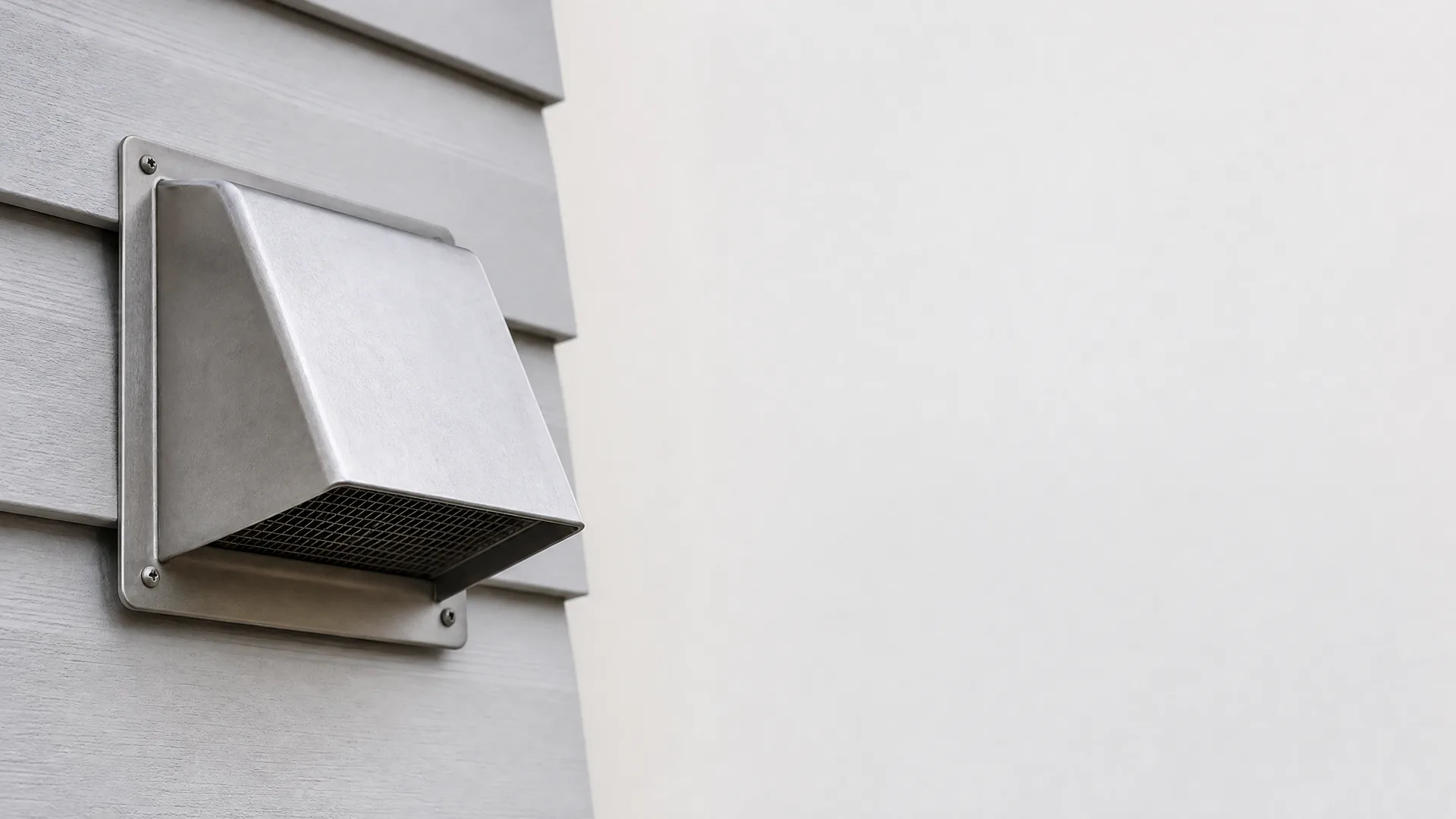
The dryer still runs, just slower, and the vent still lets some air out, so it's easy to put this off until fall. But a nest that stays through spring packs in tighter as the birds add to it, and lint keeps building behind it every time you run a load. By the time the vent is fully blocked, the dryer is working hard for every load and the duct is harder to clear than it would have been in April.
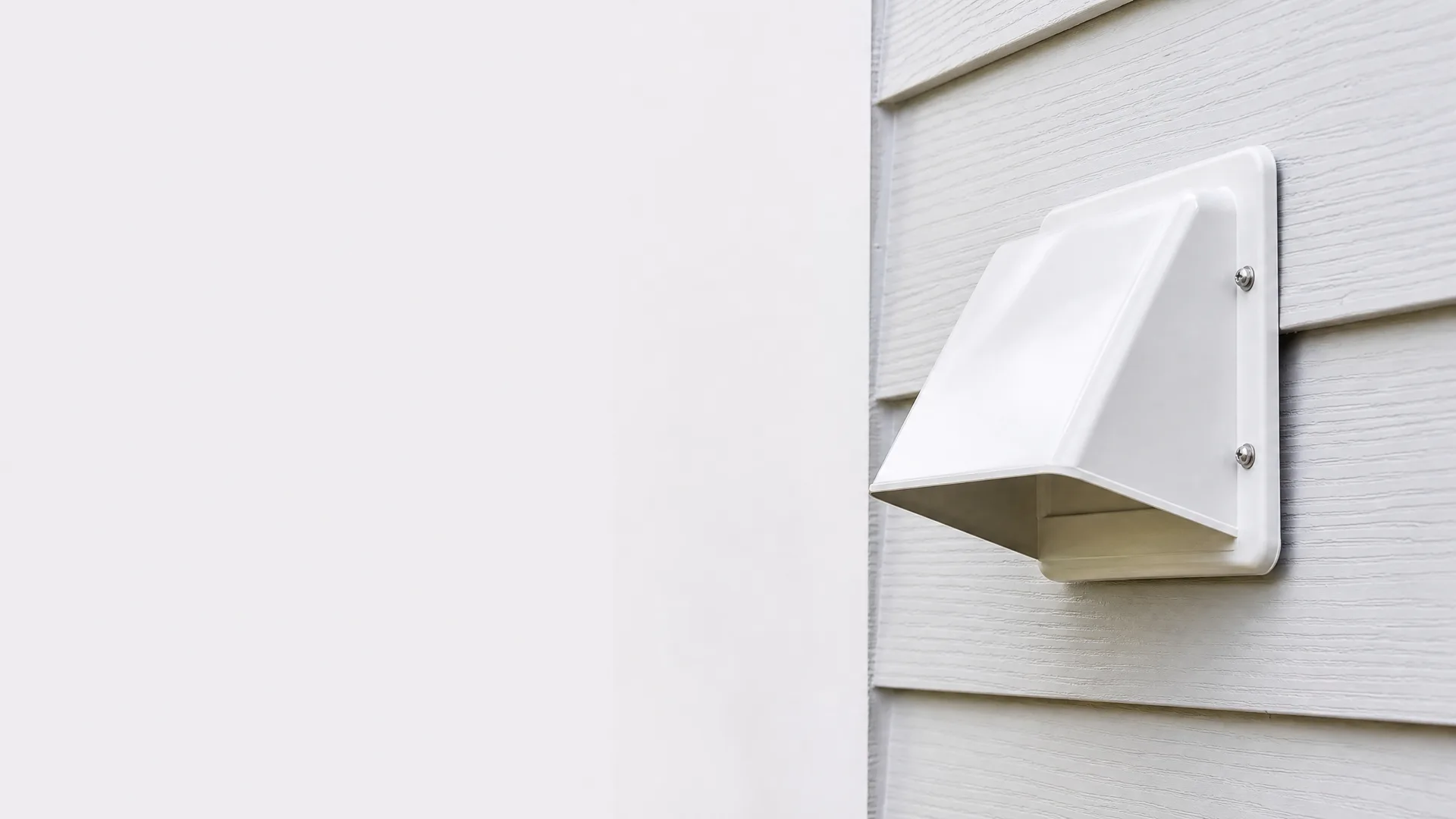
A contractor opens the vent, pulls the nest and the lint packed around it, and checks whether the hood or the flap let the bird in to start with. The dryer goes back to venting the way it did before, and the duct is clear before summer's humidity adds more moisture to what's already a damp exhaust. It also means no nest sitting there through next year's hatch, since an old nest is often what draws the next bird back to the same spot.
A nest in the vent is a mechanical problem with a clear fix: the hood or the flap let a bird in, and the duct needs to be cleared out so the dryer can push air outside again the way it's built to. You already caught it, which is the part that matters most. A contractor who clears these vents every spring in Scott County has seen the same thing dozens of times this season alone, knows whether the hood or the flap is usually the weak point on homes like yours, and can tell you in a few minutes what let the bird in this time. You'll be matched with one local contractor for this, not a handful of companies competing for your callback, so the person who reaches out is the one who's actually going to do the work and already knows what to look for. The vent gets cleared, the flap gets checked, and the dryer goes back to venting the way it did before the nest showed up.
Find a dryer vent cleaning pro in Scott County