One bend, maybe two
Most runs have at least one turn before the outside wall. A nest near the hood can hide a duct still packed with lint the rest of the way.
 Hand it off
Send the form and finding a dryer vent cleaner is handled.
Spring is when birds go looking for a place to build, and a dryer vent hood looks a lot like a hole in a tree to them. The flap keeps most weather out, but it also keeps a nest in once one gets started, and lint packed around twigs catches heat fast.
A blocked vent shows up in small ways before it shows up as a big one. Towels take two cycles instead of one. The laundry room gets warmer than it should. The outside hood flap doesn't open when the dryer runs, or barely does. Any one of those is worth a look, especially once the vent is already warm and damp from Iowa's sticky summers, which gives a nest more reason to hold together.
This isn't a job for a shop vac and a coat hanger. A nest built back in the duct can't be reached from either end, and pulling what you can see from outside often just repacks what's left further in. Someone who clears vents through an Iowa spring and summer knows where birds usually get in, how far back a nest typically sits, and what it takes to get the duct fully clear rather than just clear enough to pass air for now.
Send the form and the search is done. A local, licensed contractor who works on vents like yours gets the details, not a list of companies competing for the job. No flood of calls, no sorting through strangers. Just one person who already knows what a spring nest in an Iowa vent usually looks like, headed your way to clear it out.
Until then, it's worth running the dryer on shorter loads and checking the hood flap after each one. A vent that can't breathe is also a vent that can overheat, and that's not something to leave for later once you already suspect it's blocked.
You notice your dryer is taking longer than it used to, or you hear faint chirping or rustling when it runs. Maybe you caught a bird flying in or out of the outside vent hood itself. Nests build up fast once a bird finds the spot, and a vent packed with twigs and lint stops doing its job just when Iowa's humid summer months make a slow-drying dryer more noticeable.
A dryer that used to finish a load in one cycle and now needs two is the first clue. Nesting material blocks airflow the same way a clogged lint trap does, so heat and moisture have nowhere to go. You might also hear scratching, chirping, or a flapping sound from the wall or the outside vent while the dryer runs. Check the vent hood itself: if the flap won't close all the way or you see twigs poking out, a bird has already moved in. With Iowa's muggy summers, a blocked vent holds onto heat and moisture longer than it would in dry air, which makes the slowdown easier to notice and worth checking before the nest packs in tighter.




The outside hood comes off to check for a nest.
A camera runs through the duct to find blockages.
Rods with brushes break the nest loose from inside.
Loosened material gets pulled out section by section.


A nest built around the hood or packed back into the duct is not always something you can finish off with a shop vac and a coat hanger. Once twigs get past the first bend, they catch lint behind them, and a dryer running hot against a blocked vent is how house fires start in Iowa in the spring. Getting someone out to look at it properly means handing this off to a contractor who works on vents all season and has pulled nests out of every kind of run, straight or not. The request goes to one local, licensed contractor, not a handful of companies competing for your callback. You fill in what's going on with your dryer and your vent, and from there it's not something you have to keep chasing. Birds rebuild fast once they've picked a spot, so the sooner that vent gets checked and cleared, the less chance they have to settle back in before the dryer's even dried a full load right.
A dryer vent duct usually runs ten to fifteen feet before it reaches outside, with at least one bend along the way. A nest built near the hood can still let the duct beyond it stay packed with lint for the whole run.
That packed lint is why a vent can look clear at the hood and still choke the dryer. Airflow drops the whole length of the duct, and the dryer works harder on every load until the blockage is gone.


Most runs have at least one turn before the outside wall. A nest near the hood can hide a duct still packed with lint the rest of the way.
A load that used to take forty minutes can stretch past an hour. Iowa summers are sticky enough without a dryer working harder than it should.
At 13.62 cents a kilowatt-hour, a dryer fighting a packed vent isn't cheap to run. It pulls more power to push air through a nest-blocked duct, and it takes longer doing it, so a blocked vent shows up on your power bill before you ever smell anything burning.
EIA-861 2025 statewide residential average
A dryer vent with a bird nest in it is a blocked vent, and a blocked vent only gets worse while the dryer keeps pushing hot, damp air into it. The fix is the whole run, not just what you can see at the hood. Twigs near the opening, lint packed behind them, anything sitting in the bends between there and the dryer. Leave part of it and the vent is still restricted, even if the flap moves freely again.
This is where it helps that the contractor taking your request works Iowa vents every spring, nesting season after nesting season. They've opened up hoods packed solid and found the duct behind them still full of lint from a bird that moved in weeks earlier. They know which bend tends to catch debris first and how far back a nest usually pushes lint before the airflow gives out. That's not guesswork. It's what shows up, run after run, on the same kind of vent you have.
Your request goes to that one contractor, licensed and local, not out to several companies hoping one calls back. No competing bids, no juggling calls from strangers. Just someone who already knows what a spring nest in an Iowa dryer vent usually looks like, and what it takes to clear it.
Once the duct is open again, start to finish, the dryer stops fighting itself. Drying times come back down, and the heat and lint that had nowhere to go finally have somewhere to go.
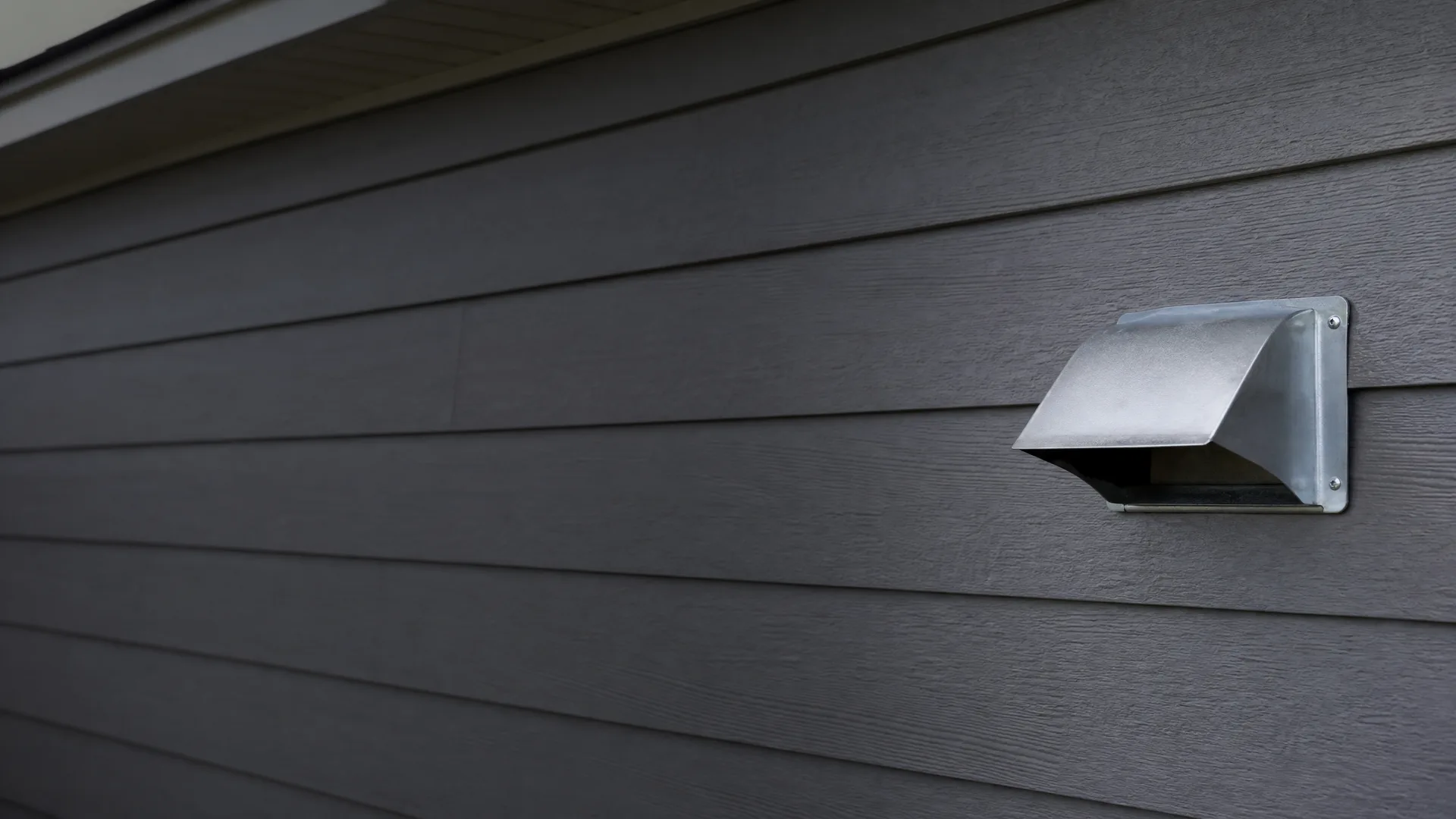
The pro who reaches out is licensed in Iowa.