Birds nesting in a dryer vent in Waterloo, IA

A square stainless steel wall vent with four corner screw holes and a hinged flap cover, partly open to reveal a dark circular duct opening, shown against a plain light gray background.
Let a pro reach out

Can birds build nests in my dryer vent?

You went out to check the dryer vent hood on the outside wall and heard chirping, or maybe you noticed the flap won't close all the way anymore. Spring in Black Hawk County is when birds go looking for a warm, sheltered spot to build, and a dryer vent fits that job well. You want to know if this is really what's happening and what it means for your dryer.

Yes, birds nest in dryer vents, especially in spring

A dryer vent leads to a warm, dry, enclosed space, which is exactly what a bird looks for when it's building a nest. Starlings and sparrows are the usual culprits, and they'll pack twigs and grass in around the vent flap or further back in the duct. Once that happens, the dryer can't push air out the way it needs to. Lint builds up behind the blockage instead of venting outside, and that's a fire risk, not just a drying problem. You may notice clothes taking longer to dry, a burning smell, or the vent flap sitting open when it should stay shut. Waterloo winters are hard enough that you want this cleared before birds settle in again or before a nest dries out and becomes kindling next to a heat source.

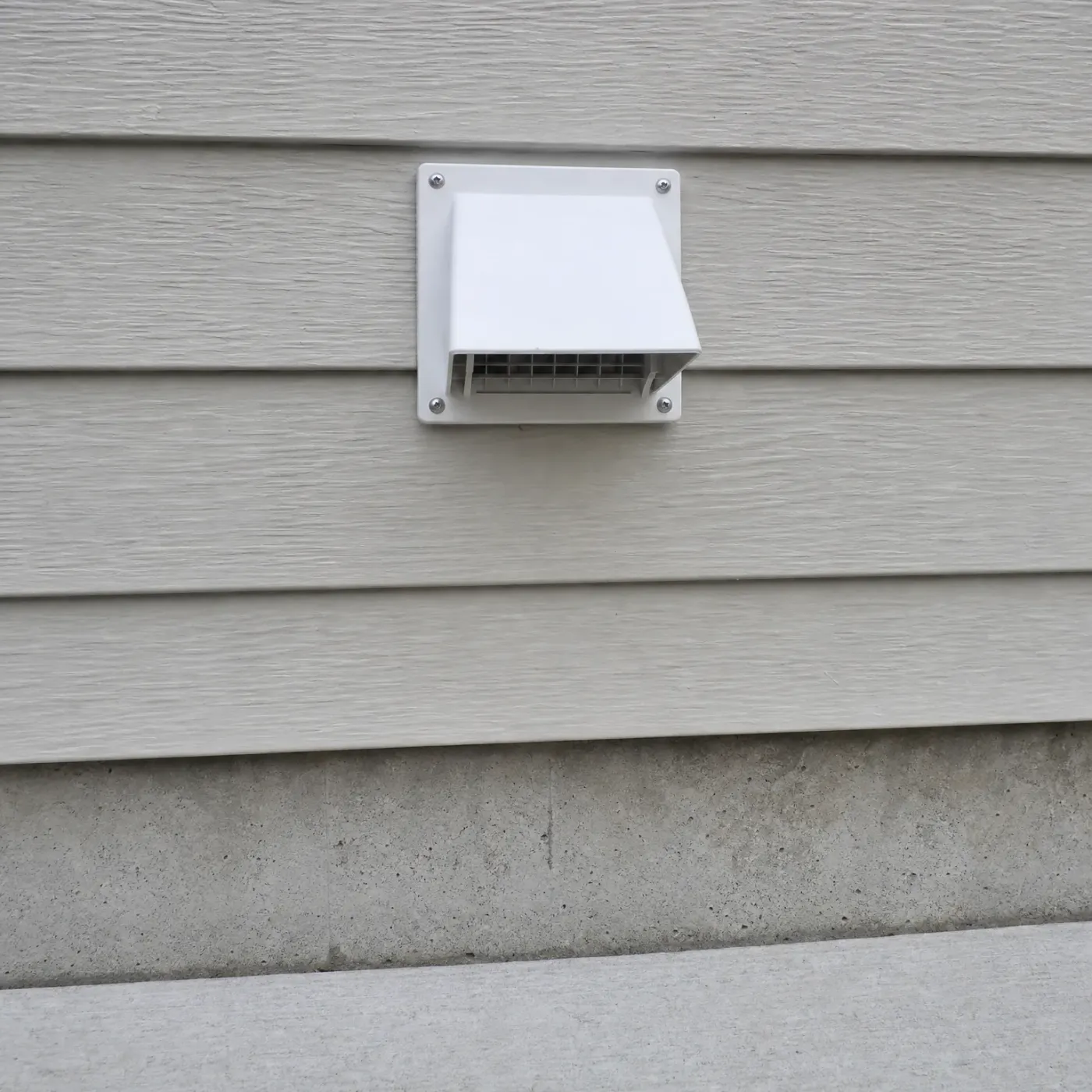
A white hooded dryer vent with a louvered opening mounted on light gray horizontal lap siding above a concrete foundation.

The flap closes the way it should

The hood sits flush against the siding and the louvers move freely. Air pushes the flap open when the dryer runs and it falls shut when the cycle ends. Nothing blocks the opening, so lint and moisture leave the house instead of building up behind the wall.
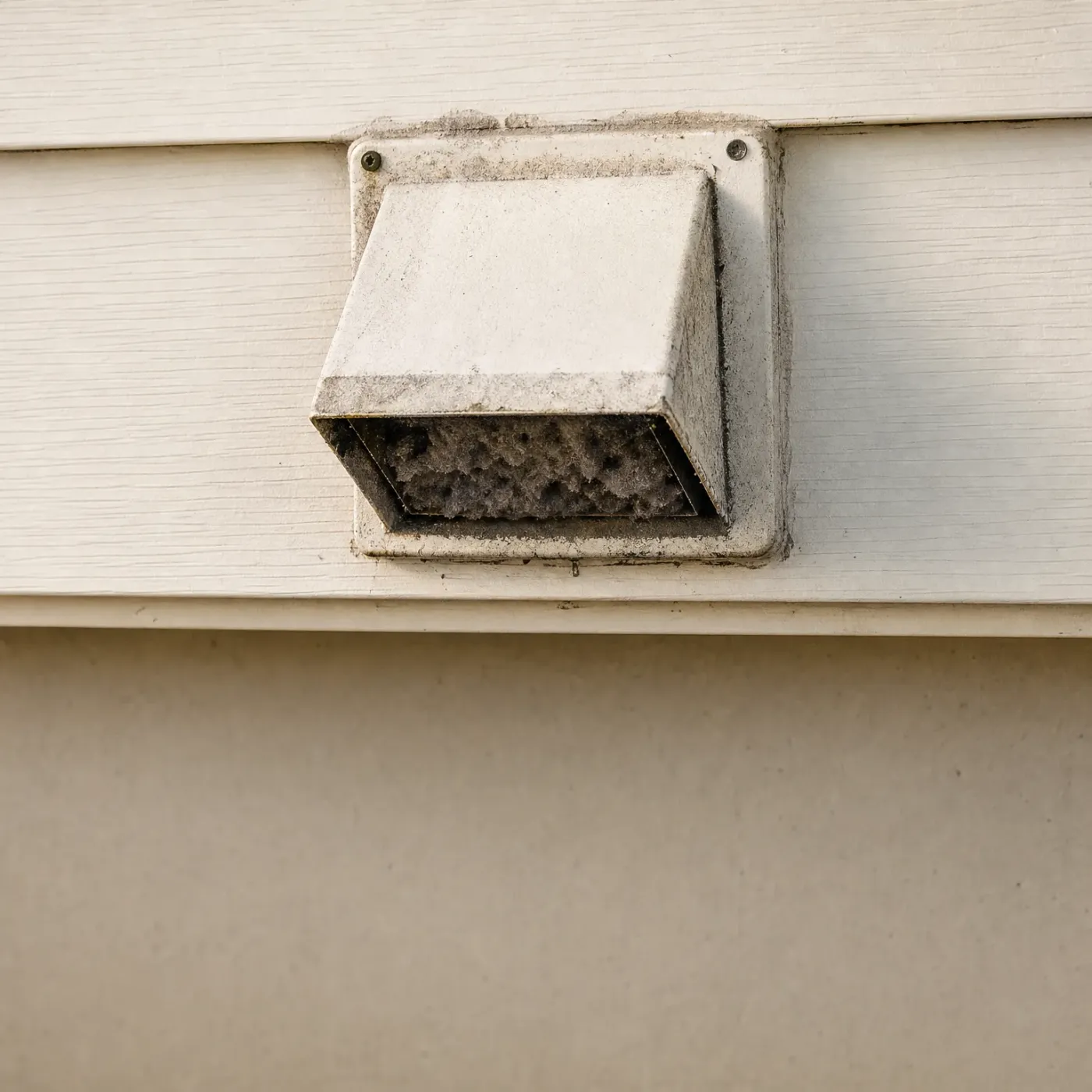

A white plastic hood-style dryer vent mounted on beige horizontal siding, with its opening clogged by thick gray lint.

Lint has taken over the opening

The grille is packed with gray lint and the flap can no longer swing shut. A bird found this opening easier to get into than to leave, and nesting material only makes the blockage worse. A dryer pushing against this gets hotter and takes longer to dry a load.

Clear It Yourself or Call It In

Clean it yourself

  • A stiff brush and a shop vac reach the hood opening from outside, where most nests sit this time of year.
  • You can see right away whether the flap moves freely again once the nest material is out.
  • Grass and twigs packed around the louvers come out by hand in most cases, but a bird that's still inside will not leave on its own.
  • Dryer vent runs in Waterloo homes often have a bend or two before they reach outside, and a nest built past that bend is out of reach from the hood.
  • Working from a ladder against the siding in early spring means wet ground and sometimes ice still in shaded spots.

Call a contractor

  • A local contractor who services dryer vents every spring knows which bird species nest in Black Hawk County and how far back into the duct they usually build.
  • Equipment made to run the full length of the vent clears nests built past any bends, not just what's visible from the hood.
  • One contractor takes the job rather than several companies competing for it, so you get a single visit instead of a string of calls.
  • A contractor checks the flap and the full run while already there, so a nest tucked farther back than expected doesn't get missed.
  • Once the form goes out, finding someone to come look at it is off your plate.
A metal hooded dryer vent with a louvered opening mounted on gray horizontal lap siding, next to a plain off-white wall.

Why the flap draws them in

A dryer vent hood gives a bird the two things it looks for in spring: a tight opening out of the wind and a draft of warm air every time a load runs. That warmth is exhaust air leaving your house, carrying moisture and lint with it. A sparrow or starling will pack a nest right up against the louvers, and once the grass and twigs are in there, the flap has nothing to swing against.

A stainless steel hooded dryer vent screwed to light gray horizontal lap siding, with a blank white wall occupying the left side of the frame.

What a blocked vent does to your dryer

The dryer still pushes air whether the vent is clear or packed with nest material. With nowhere to go, that hot, damp air backs up into the duct and the cabinet instead of outside. Clothes take longer to dry, the dryer runs hotter than it should, and lint that would normally blow out the hood builds up inside the duct. Lint is the fuel; a blocked vent is what lets it collect where it can catch.

What's that smell when the dryer runs

A load that used to take forty minutes now runs an hour or more, and the top of the dryer feels warmer than it used to. You might smell something like burnt feathers when you open the door, or notice the laundry room holds onto heat and a faint musty smell after a cycle. Lint that should blow clear out the hood instead backs up into the vent, and nest material packed in with it slows that air down even more. The longer a vent stays blocked, the harder the dryer works to push air through it, and lint sitting against the heating element is how dryer fires start.

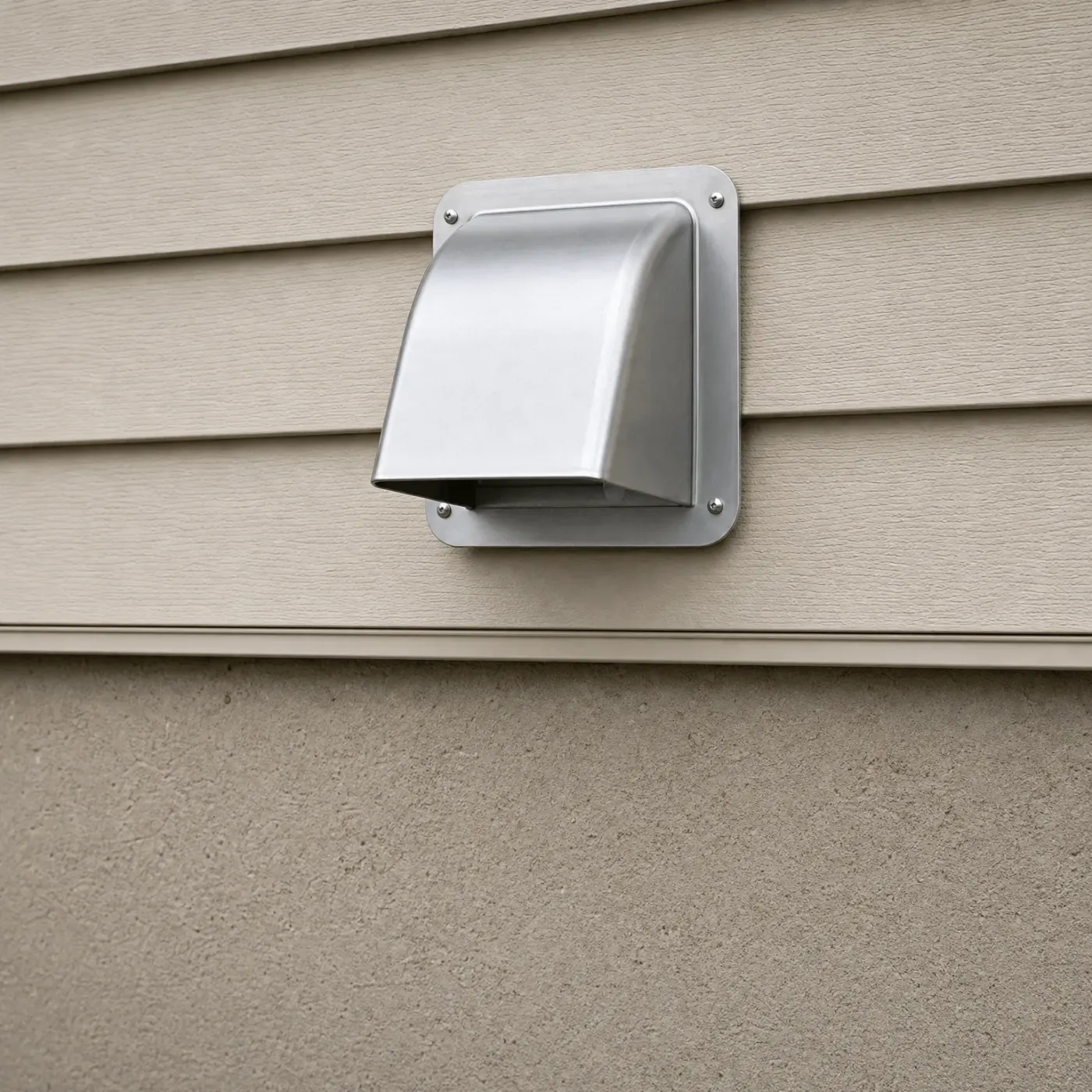
A metal hooded dryer vent cover mounted on beige horizontal lap siding above a textured concrete foundation wall.

Vent working as it should

The hood sits tight against the siding with clean metal and sharp corners. Push on the flap and it swings in, then drops back shut on its own. Air from the dryer should push it open the same way every load, with nothing slowing it down on the way out.

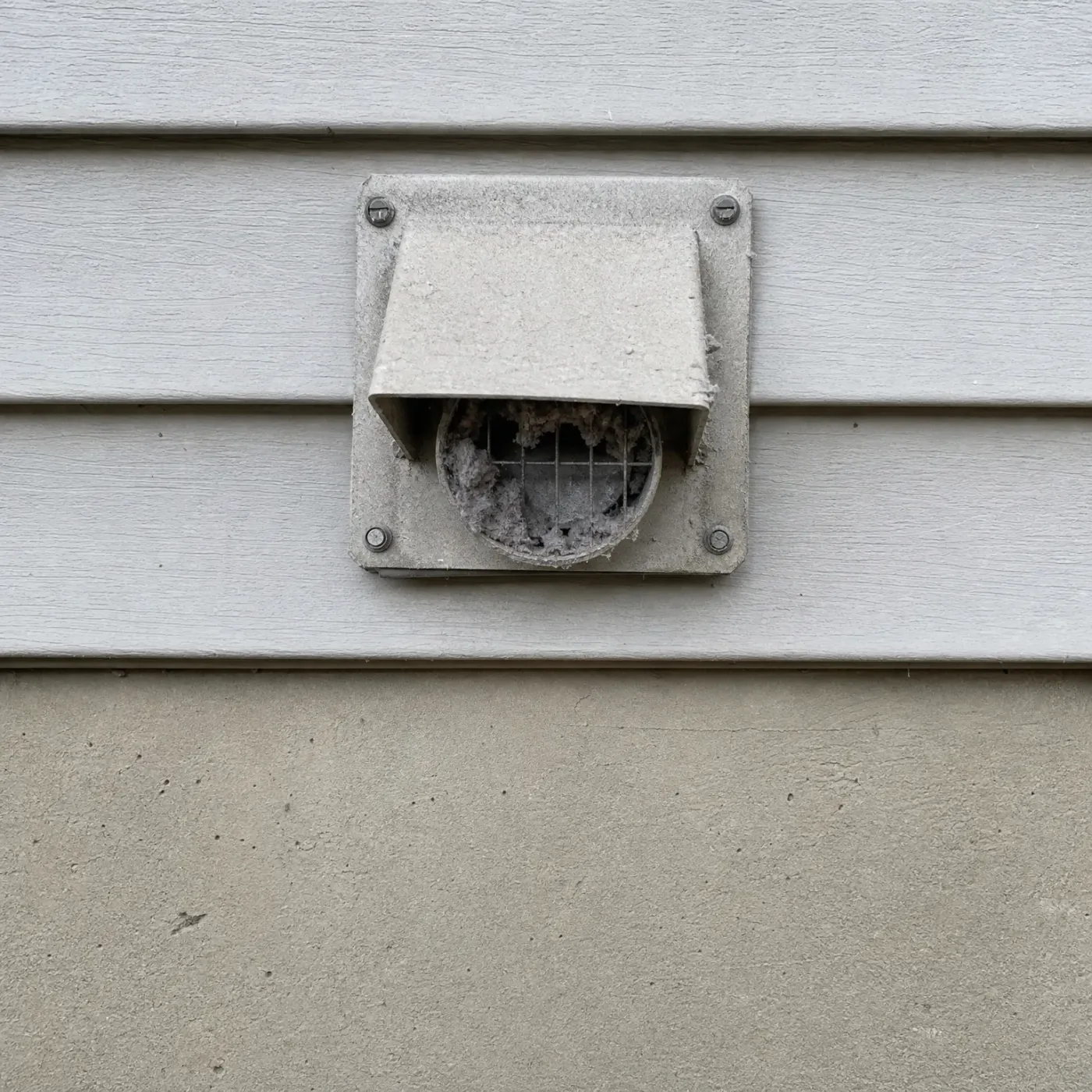
A metal dryer vent hood screwed to light gray lap siding, with lint clogging the round opening and a lower concrete wall below.

Vent packed with nesting material

The screen behind the hood is matted over with lint, and grass or twigs show through the mesh. Air can't push past that buildup, so the flap barely moves, if at all. That's the opening a bird found first, and it's also why the dryer is running longer than it should.

How many people in this house are running the dryer?

  • 2.31 people per household on average

    Households here average 2.31 people, per the Census Bureau. More people means more loads, and a blocked vent gets found faster when the dryer runs daily.

  • Half the homes here were built by 1966

    Half the homes in Black Hawk County were built in 1966 or earlier, per the Census Bureau. Older vent runs are more likely to have loose joints a nest can grab onto.

  • Power here costs 11.96 cents per kilowatt-hour

    Electricity here runs 11.96 cents per kilowatt-hour. A dryer fighting a blocked vent pulls more power per load to do the same job.

ACS 2020-2024 · EIA-861 2025

A white hooded dryer vent cover screwed into beige lap siding above a concrete foundation wall, with a bed of rounded gravel at the base.
The flap sits closed against the siding and swings open each time the dryer pushes air out, with nothing nesting in the opening.
A metal dryer vent hood mounted on light gray horizontal lap siding, with its opening clogged by gray lint, above a concrete foundation wall.
Lint has packed in around the flap until it can't fall shut, leaving the vent open to whatever wants in next.
A woman with dark hair in a bun sits on a beige sofa under a knit blanket with her eyes closed and an open book in front of her, with a lit lamp and houseplant in the background.
A smiling bearded man in a dark sweater sits at a dinner table with lit candles, a glass of red wine, and bowls of food, in a dimly lit room with a lamp and houseplant behind him.

Finding a pro stops being your job

The pro who gets in touch is licensed in Iowa and works in Black Hawk County.

There's no charge for the request.

Clear it out this spring

A nest built in March or April is still loose, mostly grass and twigs that haven't been sat on for weeks. It comes out in one pull with a brush from outside, and the flap swings free again right away. The dryer vents properly the same day. Waiting even a few weeks changes this, because the birds keep adding to it and the material packs tighter against the louvers. Catching it early is less about the task and more about the nest still being small enough that getting it out is simple.

Wait until the nest is abandoned

Leave it through a full nesting cycle and the material inside has had weeks to compress, get rained on, and dry out again. What started as loose twigs is now matted with droppings and shed feathers, wedged against the metal. The flap may not have closed since the nest went in, so lint has been collecting in there too. Clearing it takes more than a quick brush pass, since the blockage sits deeper and holds its shape. The dryer has also been running hot and slow that whole time, which is its own problem.

A smiling bearded man in a dark green henley shirt sits on a blue-gray couch in a living room, with a bowl of popcorn in the foreground and a houseplant and window behind him.
A smiling man in a dark sweatshirt reclines on a gray sofa in a living room, with a wooden bowl of popcorn on a table in the foreground and a dining area, shelving, and pendant lamp behind him.
A smiling man in a navy long-sleeve shirt reclines on a sofa in a living room, with a bowl of popcorn on a wooden coffee table and framed pictures on the wall behind him.
A smiling man in a dark green long-sleeved shirt sits on a gray sofa in a living room, with a bowl of popcorn in the foreground and windows and a potted plant behind him.

Leave it and see what happens

The dryer still runs, so it's easy to let the nest sit until fall. But grass and twigs packed against the flap hold moisture against the hood, and that metal starts to rust around the opening. Lint keeps building behind the blockage every load, and it has nowhere to go but back toward the duct. By midsummer the dryer is pushing hot, damp air into a vent that can't clear itself, and that's more heat for the motor to work against on top of whatever's already sitting in the ductwork. Nothing forces your hand right away. The risk is what collects while you wait, not what happens the day you notice the chirping.

Have it cleared now

A spring nest comes out easier than one that's been there since last fall. The material is still loose, so a brush from outside usually clears the hood in one pass without opening the duct itself. Once it's out, the flap should swing freely again, closing on its own between loads the way it's built to. You get a clear look at whether the louvers still move and whether the hood sits flush against the siding, which tells you something about the rest of the vent run too. Acting while the nest is fresh means less lint has had the chance to pack in behind it.

2.31 people per household on average

At 2.31 people, most houses here run a load most days, sometimes more than one. That keeps warm, damp air moving through the vent often enough that a nest gets noticed fast, by a slower cycle or a smell, instead of sitting blocked for weeks.

ACS 2020-2024

A bird in the vent is a straightforward problem with a straightforward fix. Clear the nest, check the flap, make sure the hood closes the way it was built to, and the dryer goes back to venting outside where that warm, damp air belongs. Someone who services these hoods every spring in Black Hawk County has seen this exact nest, packed the same way, in the same spot on the hood, more times than they can count, and knows whether yours needs a brush and five minutes or a damaged flap replaced. A request through this page goes to one local contractor, not a handful of companies competing for your callback, so you are dealing with a single person who already knows what this time of year does to a vent hood here. The chirping stops, the flap swings free again, and the dryer runs the way it did before the birds showed up.

A dark-clad house with large windows beside a gravel driveway lined with in-ground path lights, ornamental grasses and hydrangeas, with distant hills and an orange sunset sky.

Dryer Vent Cleaning

Let someone else find the pro

Duct and vent cleaningBlack Hawk County, IA
Step 1 of 3

What kind of equipment?

  • A living room corner with a beige upholstered armchair holding a green pillow and knitted throw, a ceramic table lamp on a side table, white built-in bookshelves, a framed landscape print, a curtained window, and a round wooden table with a lit candle and bowl in the foreground.
    • Get matched with someone who does this kind of work in Black Hawk County.
    • Get matched with a Black Hawk County pro who cleans dryer vents.
  • A lit table lamp with a tapered beige fabric shade and a speckled rounded ceramic base sits on a wooden surface beside a potted plant, with curtains and a window in the background.
    • After this form, you can stop searching for a dryer vent pro.
    • One request and the search for a pro is handled.
  • A cream upholstered armchair with a gray pillow and knit throw sits beside a wooden table with a eucalyptus-filled vase, in front of a lit stone fireplace with stacked firewood.
    • Skip searching for someone who cleans dryer vents in Black Hawk County.
    • Fill out one short form instead of calling around.
  • A gray outdoor air conditioner condenser unit on a concrete pad beside a wood-sided wall, with a horizontal wood slat fence, a cushioned patio chair, a wooden table, and a potted green plant nearby.
    • Your request stays with one local pro.
    • Your dryer vent cleaning request goes to one local pro.