











Iowa HVAC Match

Does duct cleaning help allergies in Iowa

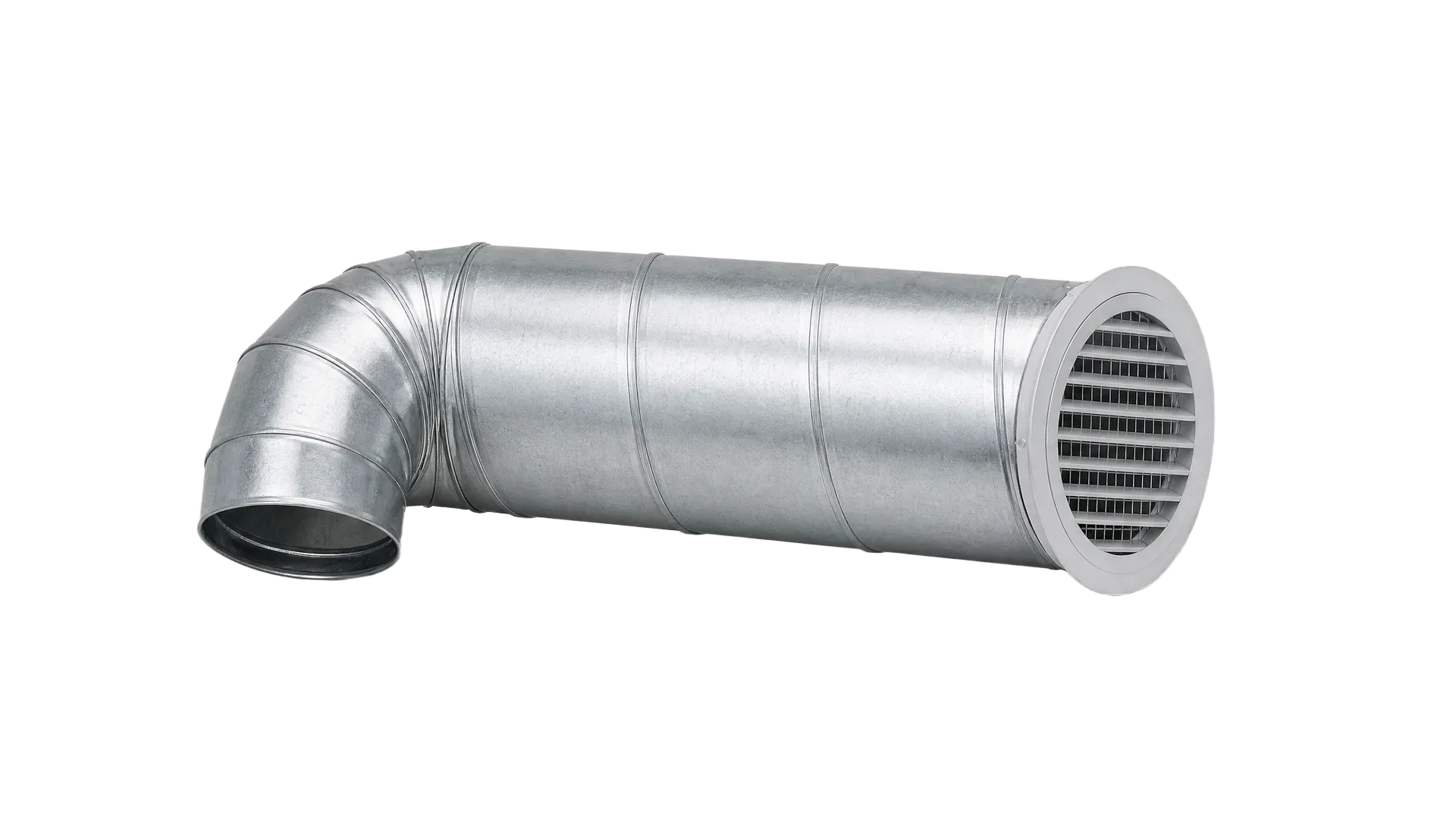
A galvanized steel round duct with a 90-degree elbow and a circular louvered vent grille at one end, photographed against a plain light gray background.
Start one form

Duct cleaning can ease allergy symptoms if dust, pet dander, or pollen have built up inside your ducts, but it won't fix allergies caused by something else in the house. Iowa homes shut up tight for winter and run the furnace for months, and that furnace pulls air through the same ducts over and over, so whatever settles in there keeps getting redistributed through every room. Humid summers add another layer: damp dust can clump and, in the wrong spot, grow mold, which is its own allergy trigger separate from plain dust. If your filter is clean and changed on schedule but you're still reacting indoors, dirty ducts are a reasonable suspect. If you haven't had the ducts looked at since you moved in, that's worth checking before you assume the air itself is the problem.

Empty unfinished basement with concrete walls and floor, exposed wood joists, metal HVAC ducts and pipes overhead, and a steel support column near a framed wall.
Clean ducts move air through the system without stirring up what's settled in the lines.
Empty basement with bare concrete walls and floor, a steel support column, and galvanized sheet-metal ductwork and pipes running along the exposed wood joist ceiling.
Dust and dander built up in the ducts get pushed into every room the furnace feeds.
  1. A technician inspects the ducts with a camera to check buildup.

  2. Vents and registers are sealed off except one connection point.

  3. A powerful vacuum attaches to the ductwork to create negative pressure.

  4. Compressed air tools knock dust and debris loose inside the lines.

Is the dust in your house coming from your vents

Run your finger along a supply vent cover. If it comes back gray after a few days, that dust is riding the air the furnace pushes through your house. You might notice it settling on furniture faster than it used to, or see it drift out when the furnace kicks on. A musty smell when the system first starts up in the fall points to the same buildup. None of this is dangerous by itself, but if someone in the house already deals with allergies or asthma, breathing that dust and dander every time the furnace runs can keep symptoms going through the winter even when nothing else in the house has changed.

Unfinished basement interior with exposed wooden floor joists, galvanized rectangular and round sheet-metal ducts, a gray furnace unit at left, and a large blank light-colored wall at right.

What a furnace filter can't stop

A filter catches what passes through it, but it doesn't clean the ducts themselves. Dust and dander that settled in the lines before the filter was ever changed stays put until something disturbs it. Every time the furnace cycles on, that air moves across the same buildup. A filter upgrade helps what comes in going forward. It does nothing for what's already sitting in the ductwork from past winters.

Galvanized sheet metal ductwork with elbows and a vent grille running beneath an exposed wood joist and OSB ceiling, next to a blank white wall.

Why return runs matter most

The return ducts pull air from inside your house before it reaches the furnace, and that's usually where the heaviest buildup collects. Supply runs push clean, heated air back out, so dust sitting there gets blown straight into your rooms. A technician checks both sides because a duct system that looks fine at the vent covers can still be holding years of buildup further back in the lines, past where you can see.

How long does duct cleaning take to help with allergies

You're ready to get the ducts cleaned but want to know when you'll actually feel the difference. Allergy symptoms don't always clear up the same day work is done, and you don't want to wait weeks expecting relief that's supposed to show up right away. Knowing what's realistic helps you judge whether the job worked or whether something else in the house is still feeding your symptoms.

Most people notice a difference within a few days

Once the ducts are cleaned, the dust and dander that was riding the airflow is gone, so the furnace stops redistributing it the next time it kicks on. Some homeowners notice less sneezing or a cleaner smell in the air within a day or two. Others take a week or so, especially if the symptoms were building over a long Iowa winter with the furnace running most days. If weeks pass with no change at all, the dust might be coming from somewhere else in the house, like carpet, bedding, or a pet, rather than the ducts themselves.

A smiling bearded man in a navy crewneck sweater sits at a dinner table with a glass of red wine, plates and glasses in the foreground, in a dimly lit room with a lamp and framed picture behind him.
A woman in a dark gray sweater reclines on a light sofa with eyes closed and a slight smile, under a textured gray blanket with an open book resting on her lap, with a lit table lamp and plant in the background.

Skip the calls to every shop

Finding someone to look at this usually means searching around, calling a few places, explaining what's going on with your ducts more than once, then sitting with quotes trying to guess who actually knows furnaces and not just general HVAC work. That's the part you can skip. A request here goes to one licensed contractor working in your area, someone who deals with Iowa furnaces all winter and knows what months of shut-up-tight heating does to the dust sitting in a duct system. You won't end up fielding calls from five different companies trying to win the job. If the dust along your vents and the dander in the air have you wondering whether your ducts are part of the problem, that's worth sorting out before another heating season packs more into the lines. Get a technician out to look at what's actually in there.

A smiling woman with dark shoulder-length hair in a cream V-neck sweater sits at a marble counter with a glass of red wine, with a kitchen and softly lit living room behind her.
A woman in a dark green sweater laughs while seated at a marble kitchen island with a glass of red wine, with open shelving, cabinets and a living room visible behind her.
A woman with long dark hair in a cream knit sweater laughs while looking off to the side, seated at a counter with a glass of red wine, in a dimly lit living room with a sofa, lamp, framed pictures and houseplant behind her.
A smiling woman with long dark hair in a beige sweater sits at a marble kitchen counter with a glass of red wine, with a dimly lit living room behind her.

Power costs 13.62 cents per kilowatt-hour statewide

At 13.62 cents a kilowatt-hour, running the blower longer than it needs to run costs you something every month. Clogged ducts make the furnace push harder to move the same air, and that extra runtime shows up on the bill long before anyone notices the dust.

EIA-861 2025 statewide residential average

Unfinished basement with concrete floor and walls, exposed wood joists, steel support posts, and large galvanized sheet-metal ductwork running to a furnace or air handler against the far wall.

Ducts doing their job

This is a system moving air the way it was designed to. Supply lines carry heated air out, return lines bring it back, and nothing in between is holding onto dust. A furnace connected to ductwork like this just moves air, it doesn't add to what you're breathing.


Galvanized sheet-metal ductwork and round pipes run along a wooden floor joist ceiling above a bare concrete wall and floor.

Ducts holding onto buildup

This is what sits above your head between the joists most of the year. Sheet metal runs like this collect dust and dander along the seams and low points, and every time the blower kicks on, some of it rides the air back into your rooms.

A wooden table in the foreground holds a closed laptop and a ceramic mug of coffee, with a spindle-back wooden chair behind it, a beige wall with paneled wainscoting, a window at left, and a kitchen counter with a cutting board, bowl of fruit and greenery at right.

So does cleaning the ducts help

If the dust in your house is coming off your vents, cleaning the ducts will cut down what you're breathing. If your allergies come from something else, a pet, the time of year, a damp basement, the ducts were never the cause, and cleaning them won't change how you feel. The finger test on your vent cover tells you which one you're dealing with before you spend any money finding out.

What a contractor offers you from here is someone who already knows what a furnace running since October does to a duct system, without you having to call three companies and walk each one through the same vent cover and the same gray dust. One licensed technician local to you looks at what's actually in your lines, not a general description of your symptoms repeated over the phone.

A wooden table holding a stone vase with a bare branch, two stacked books and a small dark bowl, beside a window with green foliage outside and a sofa in the dim background.
A single-story stucco house at dusk with a lit paver walkway lined by low path lights, desert plants and boulders in front, and distant mountains under an orange and blue sky.

Ductwork Cleaning

Skip calling around

Duct and vent cleaningDucts or ventsIowa
Step 1 of 2

What ZIP code is the job in?

  • A dimly lit living room corner with a beige upholstered sofa holding a dark green cushion and a chunky knit throw, beside a wooden sideboard with a lit ceramic table lamp, a small potted plant, and a wooden bowl, with a framed artwork on the wall and a mug on a book in the foreground.
    • A local pro who cleans ducts gets in touch with you.
    • Your duct cleaning request goes to a local pro who does this work.
  • A round wooden coffee table holding a round stone vase of green foliage, a lit candle in a glass container, and a small dark bowl, with a beige sofa, cushions and knit throw behind and a window at left.
    • Send the form and the duct cleaning stops sitting on your list.
    • Send the form and finding a duct cleaner is handled.
  • Sunlit living room with a wooden coffee table holding a ceramic vase of leafy branches and a carved wooden tray with two stacked books, in front of a beige sofa with tan and green cushions and a potted plant near a window.
    • One form replaces the calls you'd make to find a duct system pro.
    • Answer a few questions instead of calling shop after shop.
  • Interior corner with a lit ceramic table lamp and wooden bowl on a wood sideboard, a framed picture and branch-filled vase behind, a knit throw over an upholstered chair, and a lit candle in a glass holder, stoneware mug and round planter of green foliage on a wooden table in the foreground.
    • Your request stays with one local pro.
    • Your request goes to one pro, not a list of companies.





