
Ductwork running clean
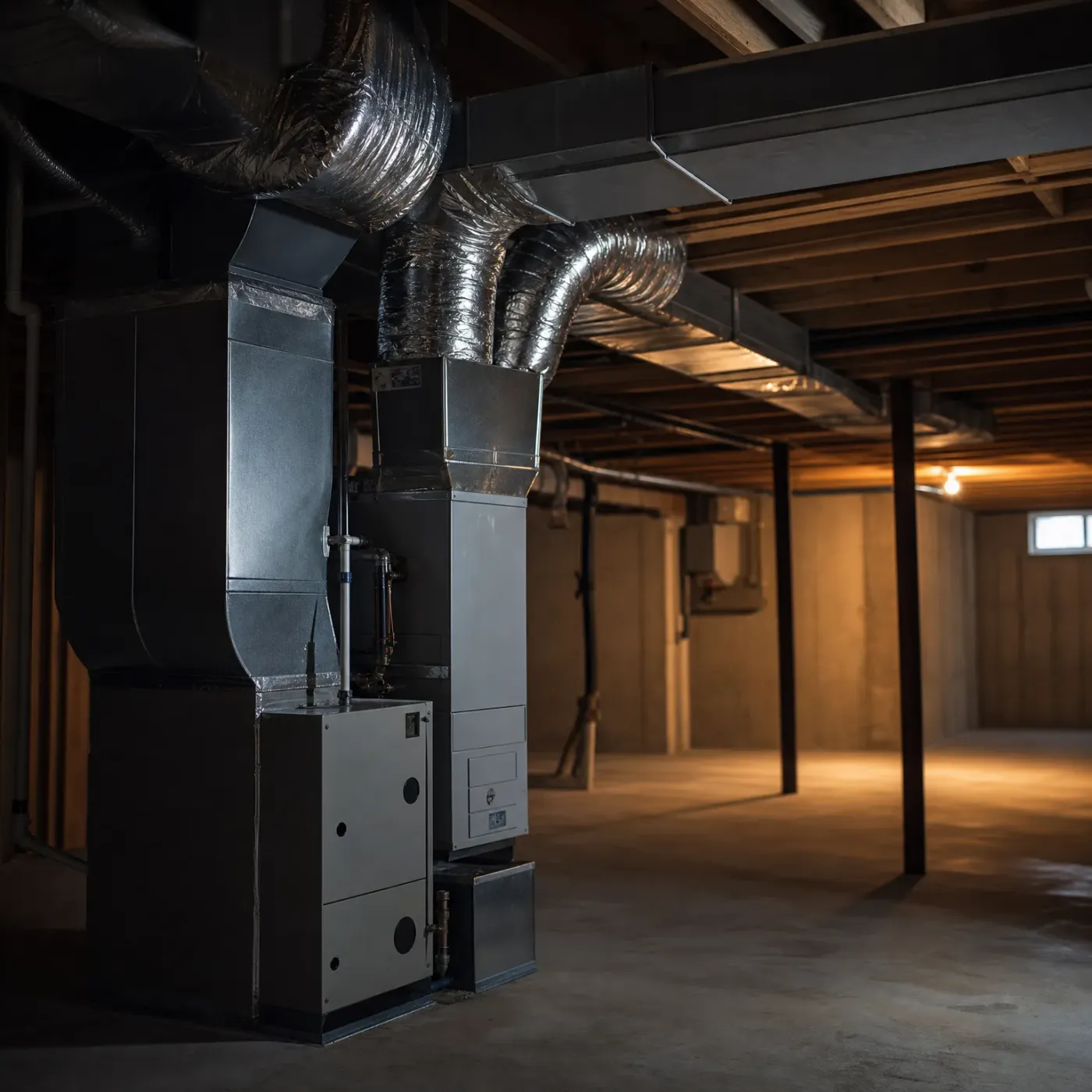
Metal duct runs like these sit tight at the joints and carry air straight from the furnace or AC to the vents. No dust clinging to the seams, nothing sitting on top of the joists. Air moves through and that's the end of it.
A local pro for your ductwork cleaning
Dust on the vents, a musty smell when the AC kicks on, more allergies than usual indoors. You want to know if that means your ducts need cleaning, or if something else is going on. This page walks through what actually points to dirty ductwork in an Iowa home. From there, you can get matched with a local contractor who looks at your system directly and tells you what it needs.
Find my proA fine layer of dust that settles back on furniture within a day or two of cleaning is the clearest sign. So is a musty smell that shows up when the furnace or AC first kicks on, which usually means dust or moisture sitting in the ductwork itself. Check the supply vents in rooms you don't use much. If you see dust buildup or matted pet hair around the grille, the same thing is likely coating the inside of the duct for yards back. Iowa homes run the furnace hard from fall through spring and the AC hard through the muggy summer months, so air is moving through those ducts nearly year-round, carrying dust and debris along with it every time the system runs. If you've had recent duct or furnace work done and are now noticing more dust or a stronger smell than before, that's worth a closer look too. None of this means the ducts are unsafe, but it does mean they're overdue for a cleaning.




Dust and debris settle inside the duct runs over months of use.
Airflow through the furnace or AC stirs that buildup loose.
Loosened dust rides the airflow out through the vents.
A contractor opens access points and runs a vacuum through the full system.


A lot of Iowa homes run the furnace half the year and the AC the other half, and both push air through the same ducts every time they cycle. That back and forth is what carries loose dust back out to the vents in the first place, and it's also why guessing at the cause from a filter change or an air freshener rarely settles anything. A contractor who cleans ducts in this area for a living has seen what months of furnace dust versus humid summer buildup actually looks like inside a duct run, and that's the difference between cleaning the right system and just treating a smell. Getting matched with one contractor who already works on homes like yours, rather than fielding calls from several, means you're explaining your situation once to someone who can actually place it. If the dust and the smell keep coming back no matter what you change on your end, that's worth having someone look at directly.
A furnace cycling on and off runs air through the same duct run hundreds of times a season, and every pass picks up a little more of what settled since the last one.
That's why the dust comes back fast after you wipe it down. It isn't new dust. It's what's already loose inside the ducts finding its way back out.



Metal duct runs like these sit tight at the joints and carry air straight from the furnace or AC to the vents. No dust clinging to the seams, nothing sitting on top of the joists. Air moves through and that's the end of it.

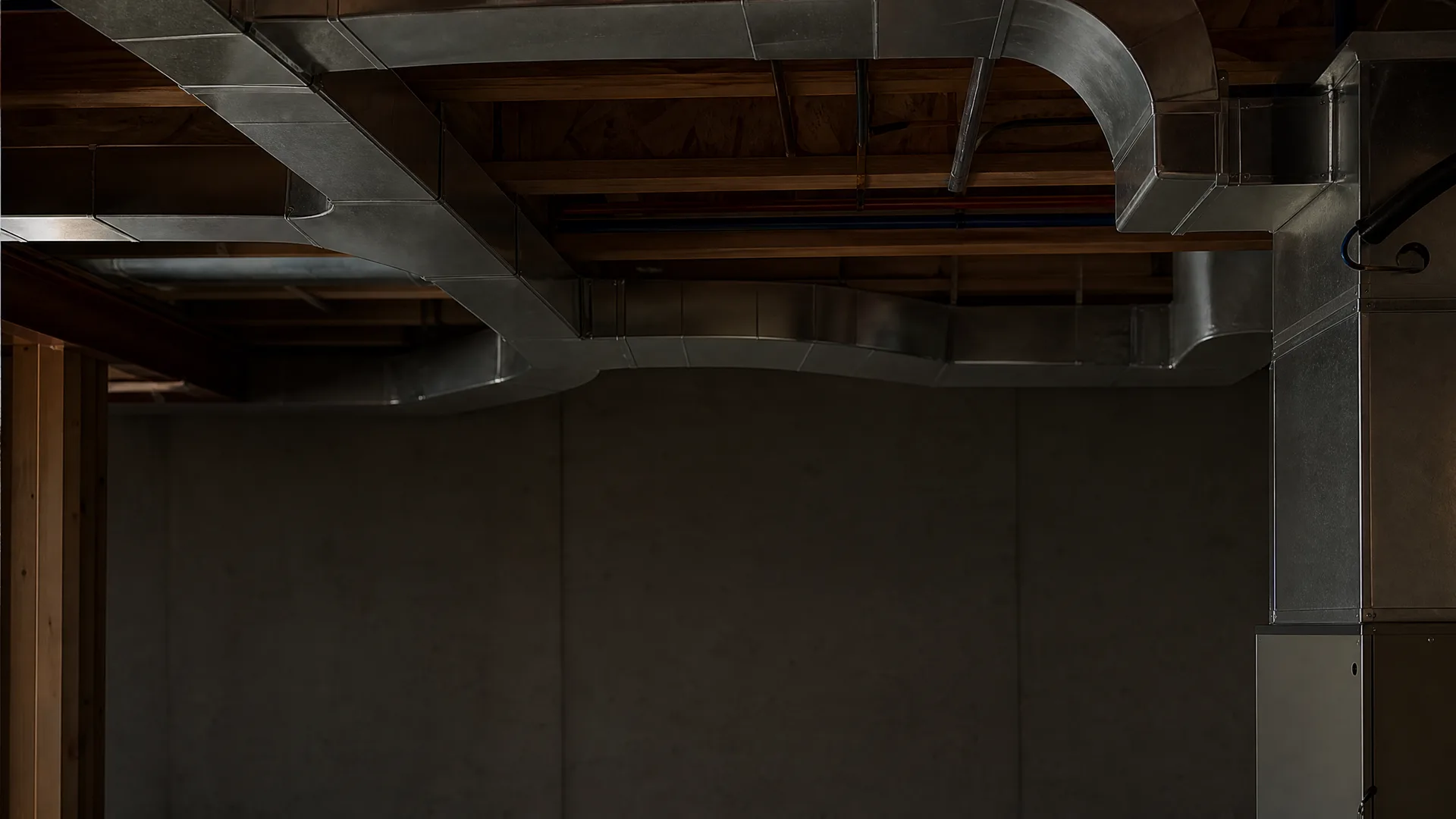
At a junction like this, dust collects where the runs branch and the airflow slows down. You won't see it from the vent covers upstairs. It sits here, between the joists, until the system kicks on and pushes some of it back out.
At 13.62 cents a kilowatt-hour, running the blower longer than it needs to adds up fast. Clogged ducts make the furnace and AC push harder to move air through the house, and that extra runtime shows up on your bill before you ever spot the dust on the furniture.
EIA-861 2025 statewide residential average
Dust that reappears fast, a musty smell at startup, a system working harder than it used to. On their own, any one of these could be something else. Together, they point to buildup inside the duct run itself rather than a dirty filter or a furnace that needs a tune-up. That's the pattern worth paying attention to, not any single sign by itself.
What none of these signs can tell you is how much is actually in there or where it sits, whether it's a short run near the furnace or something spread through the whole system. That takes someone opening access points and looking, not guessing from the vents. A contractor who works on furnaces and AC units across Iowa all year has opened up plenty of duct runs by this point in the season and knows what tends to build up and where, which matters more than anything you can tell from a vent cover.
That's also why it helps to have one contractor look at your system rather than fielding calls from several. A contractor local to your area, matched to your home instead of general information, can tell you whether what you're seeing is worth cleaning now or worth watching. You get one point of contact who knows the trade, not a stack of competing quotes to sort through on top of everything else.
The pro who reaches out is licensed in Iowa.