


Clean, dry ductwork
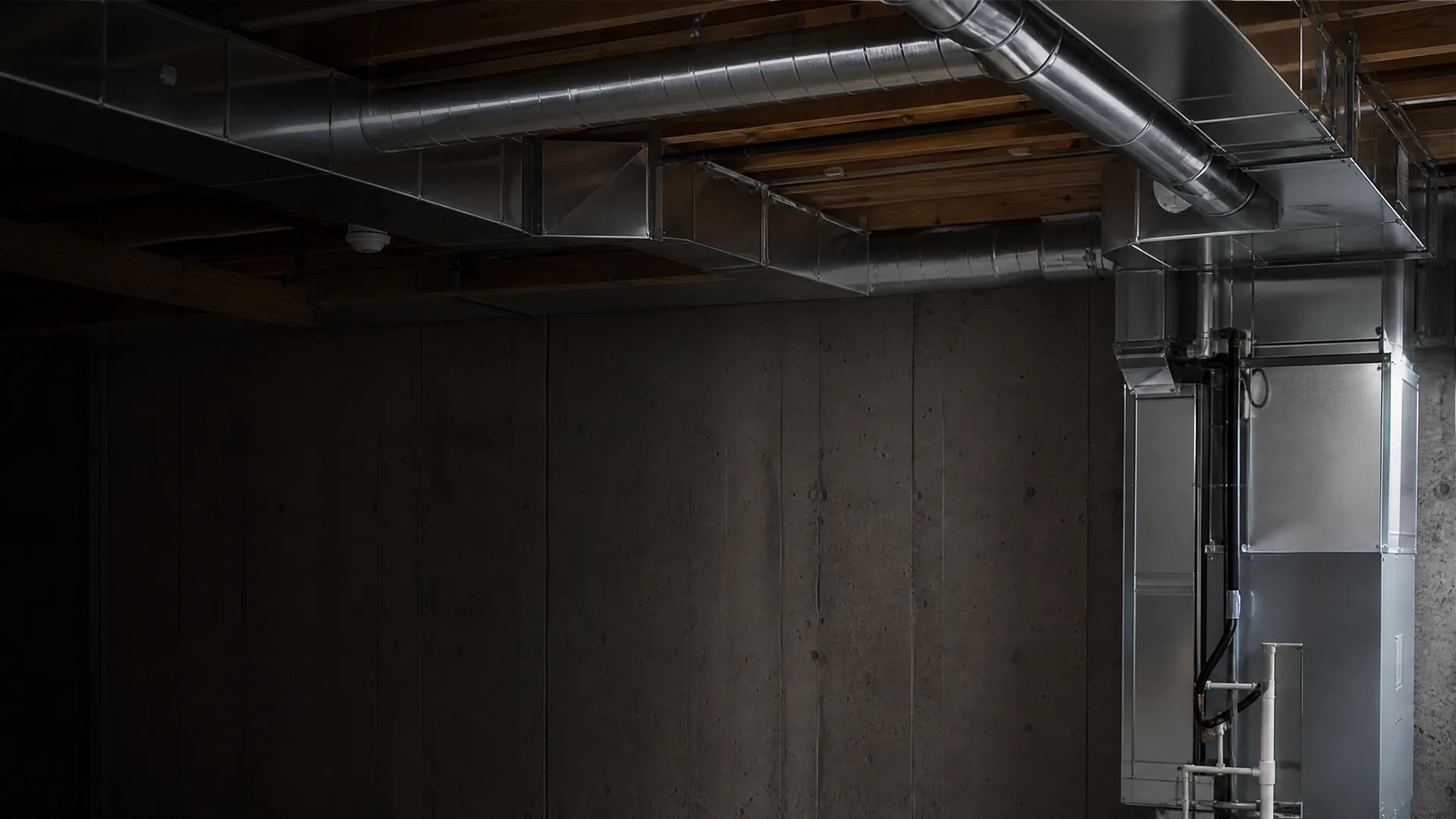
Metal and flex runs stay dry, with no film on the inside walls. Air moves through without picking up anything along the way. No musty smell when the air conditioner kicks on, even in the thick of a humid July.
That musty smell is moisture sitting in your ductwork, usually mixed with dust that's gone damp. Iowa summers get humid enough that the air conditioner pulls a lot of water out of the air, and some of that moisture ends up on the coil and in the ducts instead of draining away. Dust and skin cells that have settled in the duct walls over time soak it up, and mold or mildew starts feeding on it. Once it takes hold, every time the blower kicks on it pushes that smell through the house, not just near the vents. It tends to show up worse in summer when the AC is running long hours and the air inside stays damp. The ducts themselves do not get cleaned by the filter, since the filter only catches what passes through it, so buildup on the duct walls stays there until someone physically removes it. The smell is a sign something is growing in a place you cannot see or reach on your own.
Metal and flex runs stay dry, with no film on the inside walls. Air moves through without picking up anything along the way. No musty smell when the air conditioner kicks on, even in the thick of a humid July.

Dust has built up on the inside of the duct walls and stayed damp enough to hold onto it. Every time the system runs, that air passes over the grime and carries the smell into your rooms. It won't air itself out on its own.
Walk through your house and notice where the smell is strongest. Near a supply vent in the bedroom, in the basement near the return, or just whenever the air conditioner is running. A smell that follows the air means it's traveling through the ducts to every room, not just sitting in one spot. You might also notice it's worse after the AC has been off for a few hours, then kicks back in. Dust that looks damp or packed down inside a vent cover is another sign. Left alone, the moisture that causes the smell gives mold a place to grow, and a duct system is hard to see inside, so it can spread before anyone notices.

You're dusting the living room on one of the first warm days in April, windows still shut from winter. You reach up to wipe the ceiling vent grille and your cloth comes away gray. Look closer and the slats are lined with it, the same fine dust sitting on the lamp shade and the top of the bookshelf below. The furnace hasn't run in weeks, but the dust kept settling, and some of it came through the vent itself. You turn the fan on to clear the air before company comes, and that's when you catch it, the same stale smell you noticed last summer when the air conditioner first kicked on.
A musty vent doesn't clear up on its own. The moisture stays put through August, and the dust it's holding onto keeps building until something pulls it out of the ducts for good. In an Iowa summer, with the air conditioner running most days and pulling humidity out of the air right along with the heat, that dampness has plenty of chances to settle back into the same spots. Checking the grille yourself only tells you what's in reach. What's sitting in the runs behind the walls and under the floor is a different question, one a cloth and a flashlight won't answer. Once someone's looked at the whole system and cleaned it out, you stop guessing every time you catch that smell again, and stop wondering if it's getting worse while you wait. Handing this off now means you're not the one tracking it down.
Your air conditioner cools air by passing it over a cold coil, and that coil collects the moisture pulled out of the air along with it. Below the coil sits a drain pan and a condensate line meant to carry that water away. Dust in the return air settles on the wet coil fins and in the pan, and that's organic material sitting in standing water. The blower then pushes air straight past it and into your ducts. A coil that stays wet for weeks at a time, which is normal for an Iowa summer, gives mold and bacteria a steady place to grow. The smell you notice at the vents is often that growth, carried through the duct system every time the fan runs.
Some homeowners figure the smell will clear up once the furnace kicks on for the winter. Heat alone doesn't dry out ductwork the way people expect. Gas furnaces here push warm air through the same ducts the air conditioner used all summer, and warm air can actually loosen more of that dust and send it into the rooms rather than clear it out. The moisture that soaked into dust and liner material months earlier is long since dry by November, but the residue stays stuck to the duct walls. A furnace moving air through dirty ducts just spreads what's already there. Getting rid of the smell for good means removing what's built up, not waiting for the season to change.




Run the air conditioner on a normal cooling cycle and the ducts dry out between runs. The coil drains the way it should, and whatever moisture lands in the ductwork doesn't sit there long enough to grow anything.
Run it with a clogged filter or a dirty coil and the system works harder, stays on longer, and still leaves the ducts damp. That's the version that smells musty by July and doesn't let up until the ducts are cleaned out.
Cheap power at 13.62 cents a kilowatt-hour means running your air conditioner longer through a humid Iowa summer isn't the expensive part. The ductwork holding onto that moisture is the part worth fixing.
EIA-861 2025 statewide residential average



The musty smell coming through your vents is moisture caught in ductwork that hasn't dried out, holding onto dust until it has somewhere to go. That's true whether it's strongest in one bedroom or through the whole house, and it's true whether it started last week or every July for the past few years. Iowa summers put enough moisture through the system that the ducts need help getting dry again once they've gone damp.
A contractor who looks at your ductwork can tell you where the moisture is sitting and what's feeding it, then clean it out so the air moving through your vents isn't picking anything up along the way. Once you send the form, you're done hunting for who to call. You'll be matched with a contractor who takes on jobs like yours, and they'll reach out to you directly.

Send the form and finding a duct cleaner is handled.